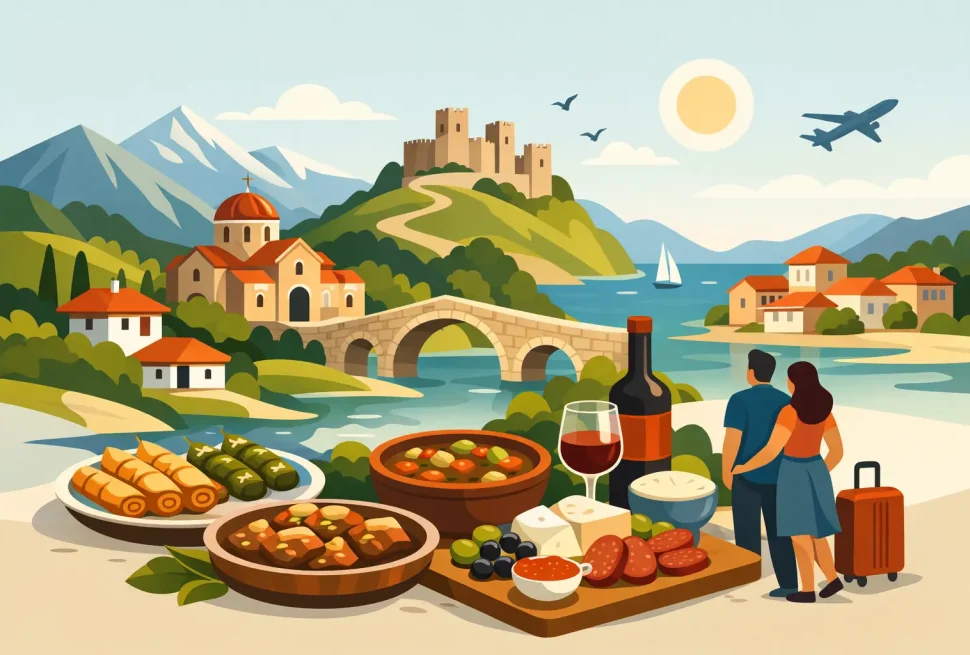

Turkey rewards travelers who want more than a photo stop. One hour you are standing in the vast courtyards of Topkapi Palace, and later that same day you might be sharing tea in a village, browsing a local market, or watching the light change over Cappadocia’s valleys. That range is exactly why small group Turkey tours appeal to travelers who want the structure of a guided trip without the detached feeling of a large coach itinerary.
For many U.S. travelers, Turkey sits in a sweet spot. It offers world-famous landmarks, layered history, remarkable food, and a living culture that feels dynamic rather than staged. But it is also a destination where logistics matter. Distances can be longer than expected, the most rewarding experiences are not always obvious on a map, and context changes everything. A thoughtfully run small-group journey helps you see more while understanding more.
What makes small group Turkey tours different
The biggest difference is not simply headcount. A group of 8 or 10 changes the rhythm of a trip. You move through hotel check-ins faster, ask more questions, hear your guide more easily, and spend less time waiting for the group to catch up. That sounds practical because it is, but the real benefit is what it creates: more room for genuine engagement.
In Turkey, that matters. This is a country where Roman cities, Byzantine churches, Ottoman architecture, and modern urban life all exist in conversation with one another. On a large tour, those layers can flatten into a fast-moving list of stops. On a smaller tour, a skilled local guide has more space to explain how a place fits into Turkish history and daily life now, not just centuries ago.
There is also a social advantage. Many travelers want companionship without feeling locked into a crowd. Small groups tend to strike that balance well. You can share a memorable meal, compare impressions after a museum visit, or enjoy some quiet time without disappearing into a bus full of strangers.
Why Turkey is especially well suited to small-group travel
Some destinations work fine with a big tour bus. Turkey is usually better with a lighter touch. Istanbul alone can overwhelm first-time visitors with its size, traffic, and density of major sites. A small group makes it easier to navigate neighborhoods, move through bazaars, and pivot when timing matters.
The same is true beyond Istanbul. In Cappadocia, the appeal is not just checking off a balloon-view point. It is understanding the region’s geology, monastic history, cave dwellings, and quieter corners that many travelers miss. Along the Aegean coast, sites such as Ephesus carry far more meaning when your day is not rushed and your guide can connect the archaeology to the broader Mediterranean world.
Turkey also shines in moments between the headline attractions. A family-run restaurant in a smaller town, a conversation about regional cuisine, a stop for local sweets, or a walk through a neighborhood market often becomes the part travelers remember most. Those moments are harder to create with large groups on rigid schedules.
The value of cultural depth, not just coverage
A good itinerary in Turkey should do more than connect major destinations. It should help you experience the country as a place people actively live in, not just a collection of historic monuments. That means balancing iconic sites with local texture.
Small group Turkey tours are well positioned to do that because they are not built around volume. Instead of maximizing the number of stops in a day, the better approach is to choose experiences that reveal something meaningful. That might mean giving proper time to the Hagia Sophia area instead of rushing through it, or pairing a famous site with a neighborhood meal that shows how contemporary Turkish culture feels on the ground.
This is where guide quality becomes critical. Turkey is a destination that benefits from cultural translation as much as navigation. You want a guide who can explain religious history with clarity, discuss modern Turkish identity with nuance, and help travelers engage respectfully with local customs. The difference between being escorted and being guided is substantial.
Comfort and reassurance matter too
Meaningful travel does not have to feel uncertain. Many travelers are drawn to Turkey but still want clear communication, reliable planning, and confidence in how the trip is organized. That is not a contradiction. It is a smart way to travel.
A well-run small-group tour offers reassurance where it counts: airport coordination, vetted hotels, sensible pacing, experienced local guides, and support if plans need to shift. In a destination with multiple regions and transportation connections, those details remove a lot of friction.
There is also a practical comfort in knowing the group is capped at a manageable size. You are less likely to feel processed, overlooked, or stuck in the compromises that come with large-scale touring. Personal attention tends to be better, whether that means dietary needs are handled more carefully, questions are answered more thoroughly, or the pace can feel more human.
For travelers who want immersion without having to self-manage every moving part, that balance is often the deciding factor.
What to look for in small group Turkey tours
Not every small-group trip is designed the same way, and the label itself is not enough. Some tours say small group but still operate with a pace and structure built for volume. It helps to look closely at how the trip is actually planned.
Start with the group cap. Smaller really does tend to feel different in Turkey, especially in historic districts, indoor sites, and local restaurants. Then look at itinerary design. The strongest journeys combine major highlights like Istanbul, Cappadocia, and Ephesus with experiences that feel grounded in place rather than copied from every standard package.
Pay attention to pacing as well. More is not always better. If every day starts early, ends late, and packs in nonstop transfers, cultural depth usually gets squeezed out. Good planning leaves room to absorb what you are seeing.
It is also worth considering who is behind the trip. Many travelers appreciate the added peace of mind that comes with a U.S.-registered company offering clear communication and dependable pre-trip support, especially for a destination that may feel unfamiliar at first. Atlas Global Tours takes that approach seriously, pairing carefully curated itineraries with local guides and a group size capped at 10 travelers.
Who benefits most from this style of travel
Small-group travel is especially appealing for couples, solo travelers, and friends who want connection without sacrificing comfort. It works well for experienced travelers who are not interested in backpacking logistics but also do not want a generic, one-size-fits-all package.
It is also a strong fit for travelers visiting Turkey for the first time. The country is rewarding, but first visits often involve a learning curve. Where should you spend more time? Which regional foods are worth trying? How do you understand the cultural and historical shifts from one destination to the next? A strong guide and well-shaped itinerary answer those questions naturally as the trip unfolds.
That said, independent travel still has its place. If you prefer total spontaneity, enjoy building your own route from scratch, and do not mind managing transportation and timing, self-planning may suit you. But if your goal is to travel deeply, efficiently, and with confidence, a well-crafted small-group tour can offer a better overall experience than either large-bus tourism or fully DIY logistics.
The real luxury is access and ease
When people hear the word luxury, they often picture upgraded hotels or polished extras. In Turkey, the more meaningful luxury is different. It is the luxury of having context when you need it, time where it matters, and access to experiences that do not feel mass-produced.
It is arriving at a major site with enough guidance to truly appreciate it. It is sitting down to a meal that reflects the region rather than the nearest tourist corridor. It is having the flexibility that comes from traveling with a smaller group and the reassurance that the details have been handled well.
That combination is why small group Turkey tours continue to resonate with culturally curious travelers. They offer a more personal way to experience a country that is too layered, too hospitable, and too fascinating to be rushed through. If you want your trip to feel both enriching and well cared for, Turkey is one of the best places to choose the small-group path.