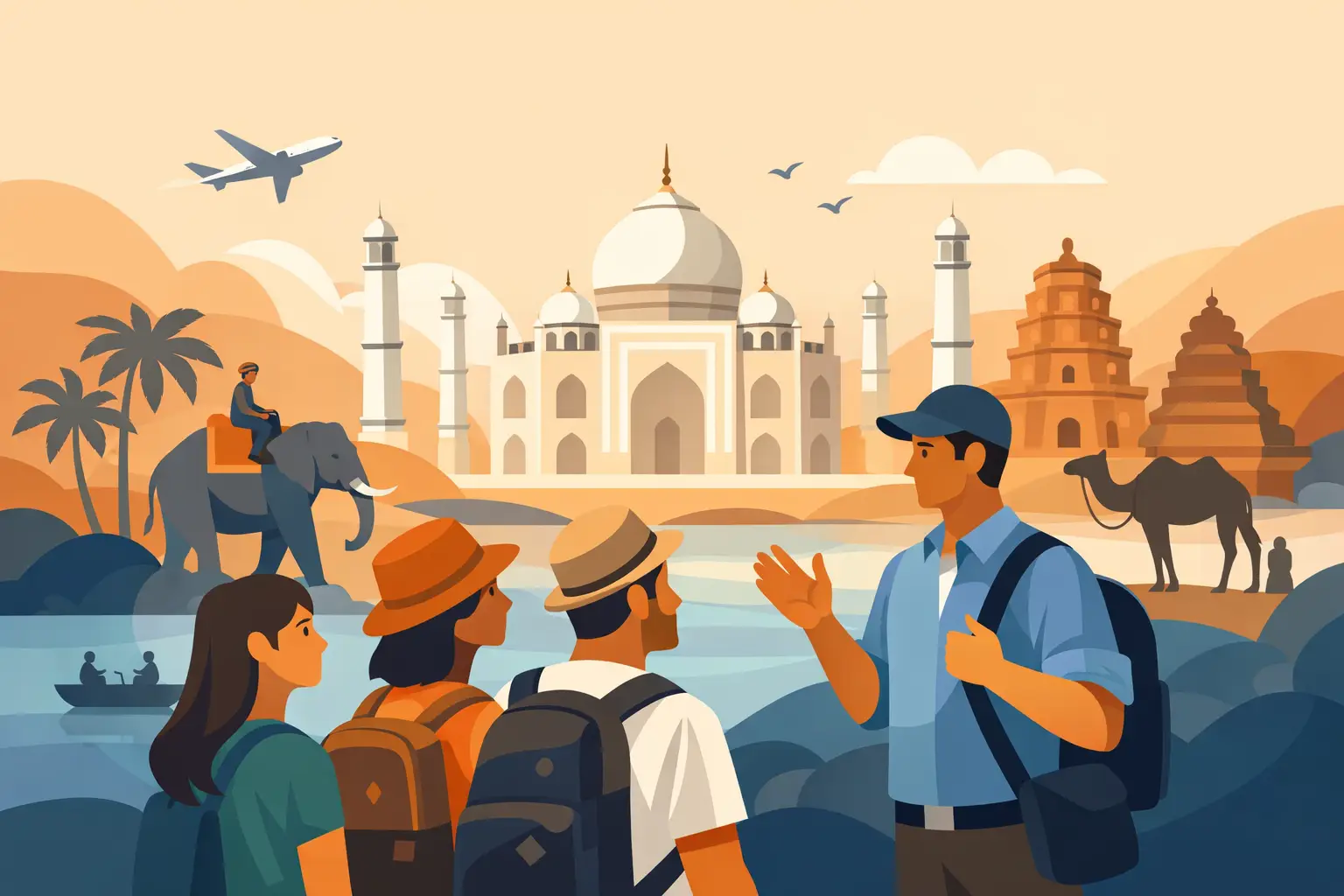
India rewards curiosity, but it does not always reward rigid travel plans. One hour you are standing before the Taj Mahal at sunrise, and by afternoon you are in a spice market, a stepwell, or a family-run restaurant where the best dish is the one you did not know to order. That is exactly why small group India tours appeal to travelers who want more than transportation between landmarks. They create the kind of trip where the details are handled, but the experience still feels human, flexible, and deeply connected to place.
For many U.S. travelers, India sits in a special category. It is high on the dream list, but it can also feel intimidating to plan well without local insight. Distances are long, logistics can be layered, and the difference between a rushed itinerary and a well-paced one is enormous. A small group format changes that equation. It brings structure without making the journey feel overly managed.
What makes small group India tours different
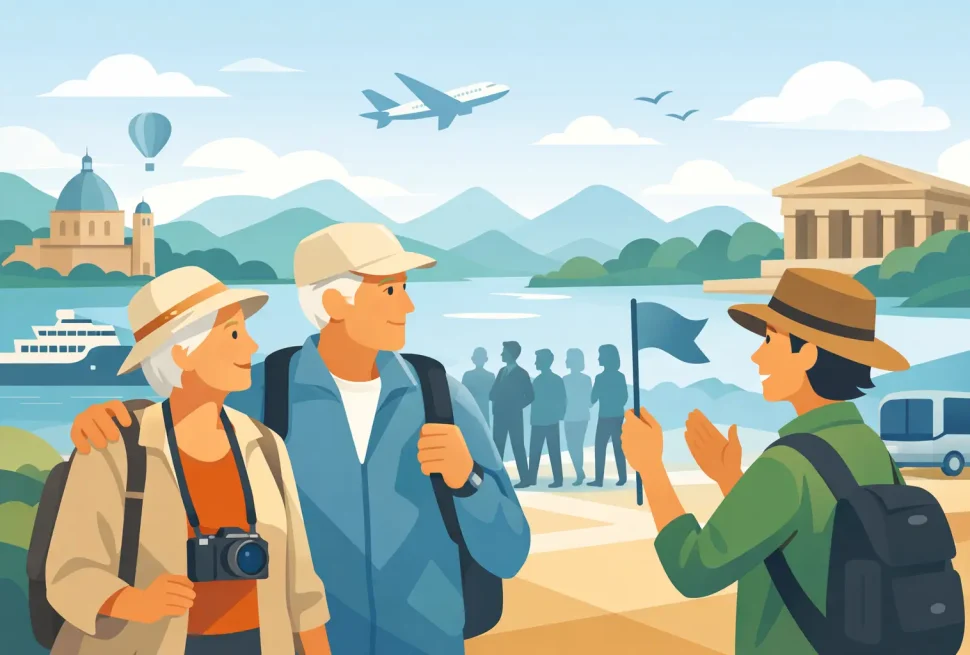
The biggest difference is not just the number of people. It is what that smaller size allows. In a group of 8 to 10 travelers, guides can move more smoothly through busy sites, make adjustments when needed, and create space for real conversation rather than constant crowd control.
That matters in India, where the most memorable moments often happen between the headline attractions. A smaller group can sit down for a proper meal without splitting into separate tables. It can enter a workshop, heritage home, or local market with less disruption. It can ask questions, pause when something deserves more attention, and adapt when energy levels shift.
Large coach tours tend to prioritize volume and efficiency. They can cover a lot, but often at the cost of atmosphere. You may see India, but not always feel connected to it. Smaller tours are better suited to the country’s texture – its layered history, regional variety, and everyday life.
Why India especially suits the small group model
Some destinations are easy to navigate independently with only light planning. India can be wonderfully rewarding on your own, but it asks more of travelers than many first-time visitors expect. Traffic patterns, domestic transit, monument timing, language differences across regions, and cultural etiquette all shape the trip.
A thoughtfully organized small group helps absorb that complexity. You are not spending mental energy on every transfer, every ticket, or every hotel check-in. Instead, you can stay present for the parts of the trip that brought you there in the first place – Mughal architecture, temple traditions, textile arts, street food, desert landscapes, and conversations with local hosts.
There is also a comfort factor that should not be dismissed. Many travelers want cultural immersion, but they do not want to troubleshoot every challenge alone. A smaller guided journey offers reassurance without flattening the destination into a generic package.
The real advantage is cultural depth
India is not a place that can be reduced to a checklist. Delhi, Jaipur, Varanasi, Udaipur, Mumbai, Kochi, Jodhpur, and Agra each carry different rhythms, cuisines, histories, and social contexts. A good trip does more than move through them. It helps travelers understand what they are seeing.
This is where strong local guiding matters. The best guides act as interpreters of context, not just providers of facts. They explain why a neighborhood functions the way it does, why a ritual matters, how a monument fits into political history, or what regional food tells you about migration, trade, and climate.
In a small group, those insights land differently. Travelers can engage, ask follow-up questions, and have genuine exchanges rather than listening from the back of a crowd. That makes the experience richer and often more memorable than simply collecting major sights.
Better pacing changes the whole trip
One of the most overlooked benefits of small group India tours is pacing. India can be exhilarating, but it can also be intense. Noise, heat, sensory density, and travel times can wear down even experienced travelers if the itinerary is packed too tightly.
A well-designed small group trip respects that reality. It balances iconic sites with breathing room. It knows when an early start is worth it and when a slower morning will improve the rest of the day. It leaves room for a quiet courtyard, a rooftop dinner, or time to absorb what you have just seen.
This is not about doing less for the sake of comfort alone. It is about doing the right amount, in the right order, with enough space for the experience to feel meaningful. Travelers often remember how a trip felt just as much as what they saw.
Small group travel also improves access
Not every special moment in India happens at a famous monument. Some happen in places where large groups simply do not fit well – a cooking experience in a family home, a visit with artisans, a walk through a residential neighborhood, or a meal at a smaller local restaurant.
Smaller groups are also easier to accommodate in heritage properties and more character-driven hotels. That can elevate the trip in ways that do not show up on a checklist. Where you stay, how you dine, and the scale of your daily experiences all shape your understanding of a destination.
This is where curated travel stands apart from standard sightseeing. The goal is not only to see the essentials. It is to pair them with experiences that feel grounded and specific.
Who small group India tours are best for
They are a strong fit for travelers who want guidance without feeling boxed in. Couples often appreciate the balance of shared experience and personal space. Solo travelers tend to value the built-in community and reassurance of traveling with expert support. Friends traveling together can enjoy the convenience of not having to coordinate every detail themselves.
They are also ideal for travelers who care about substance. If your idea of a successful trip includes local cuisine, meaningful historical context, and moments that feel personal rather than staged, a smaller format usually delivers better than a mass-market tour.
That said, it depends on your travel style. If your top priority is covering as much ground as possible at the lowest price point, a larger coach itinerary may suit you. If you prefer fully independent travel and enjoy managing uncertainty on the fly, you may not need a guided format at all. But for many travelers, especially on a first or second visit to India, small group travel hits the sweet spot between freedom and support.
What to look for when comparing small group India tours
Not every small group trip is designed with the same level of care. Group size matters, but so does the philosophy behind the itinerary. Some tours are technically small but still feel rushed, transactional, or overly standardized.
Look closely at whether the itinerary combines major landmarks with local experiences. Consider whether the pacing feels realistic, whether there is enough time in each destination, and whether the hotels reflect a sense of place rather than simple convenience. The quality of guides matters enormously, especially in a destination where context can transform what you are seeing.
It is also worth paying attention to the company behind the trip. Clear communication, transparent planning, and dependable support make a difference long before departure. For U.S. travelers booking an international journey, that operational trust matters. Atlas Global Tours, for example, builds around capped group sizes, immersive design, and knowledgeable local guidance precisely because those details shape the travel experience from start to finish.
The best trips leave room for surprise
A strong India itinerary should feel intentional, not rigid. You want the confidence that the major logistics are handled well, but you also want a format that can respond to weather, local events, traveler energy, and those unexpected moments that become the stories you tell later.
That is where small group travel often proves its value most clearly. It has enough structure to keep the journey smooth and enough flexibility to keep it alive. In a destination as layered and dynamic as India, that balance is not a luxury. It is often the difference between a trip that feels impressive and one that feels personal.
If India is calling, it is worth choosing the kind of travel experience that lets you hear more than the headlines. The right small group journey will not just show you the country. It will give you the space, context, and confidence to experience it with both curiosity and ease.