You can feel it the moment you start planning a big international trip. The excitement is real, but so is the question underneath it all: are guided tours safe abroad? For many travelers, especially when visiting places that feel unfamiliar, a well-run tour is not just convenient. It can be one of the smartest ways to travel with more confidence, better local insight, and fewer avoidable risks.
The short answer is yes, guided tours can be very safe abroad. But that answer comes with an important qualifier: not all tours are built the same. Safety depends on the operator, the destination, the group size, the guide quality, the pace of the itinerary, and how seriously the company handles planning behind the scenes.
Are guided tours safe abroad compared with solo travel?
In many cases, yes. Guided tours often reduce the kinds of risks that independent travelers run into most often – transportation confusion, language barriers, poorly chosen neighborhoods, unreliable drivers, and avoidable logistical mistakes. When your hotels, transfers, routes, and daily activities have already been vetted, you are less likely to end up improvising in stressful situations.
That matters even more in destinations where infrastructure, customs, or local norms may be very different from what U.S. travelers are used to. A knowledgeable local guide can help you read a situation quickly, avoid common tourist scams, and move through a city or rural region with more cultural awareness. That kind of support is practical, but it also changes how secure you feel throughout the trip.
Still, guided travel is not risk-free. A tour does not create a bubble around you. You are still in a real destination with real variables such as traffic, weather, crowding, regional events, and personal health concerns. The value of a strong tour is that it manages those variables thoughtfully instead of leaving you to sort them out alone.
What actually makes a guided tour safer?
The biggest safety advantage is structure. Reputable tour companies do not simply string attractions together. They vet hotels, use trusted transportation partners, build realistic travel times into the itinerary, and stay aware of local conditions.
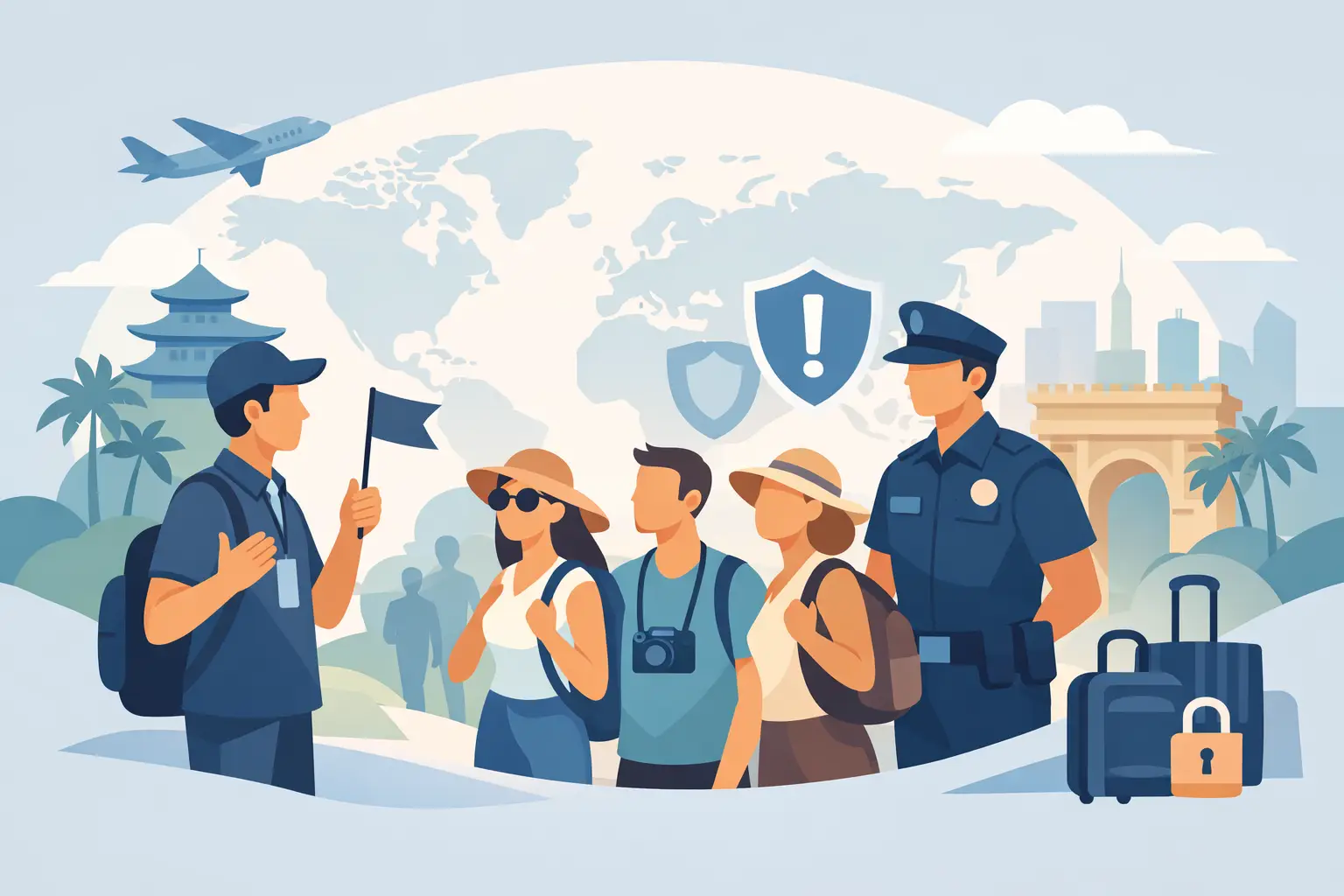
Good local guides add another layer of protection. They know which areas are appropriate to visit at certain hours, how to handle cultural sensitivities, when to adjust plans, and what behavior may unintentionally draw the wrong kind of attention. In destinations where visitors stand out, that local knowledge can be one of the most valuable safety tools you have.
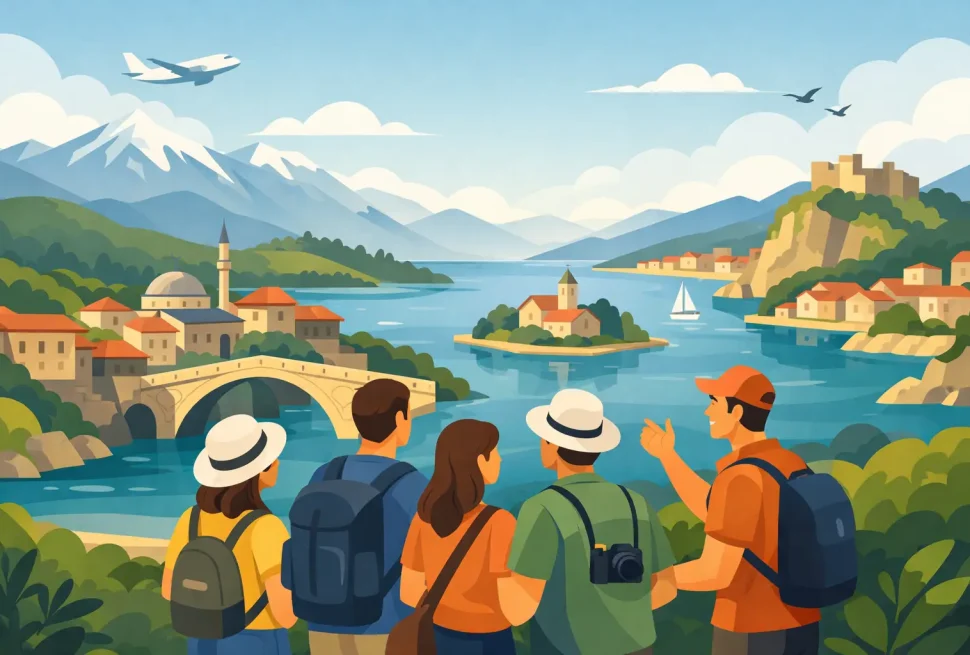
Small-group travel often improves safety as well. In a smaller group, guides can notice when someone is struggling with heat, fatigue, altitude, or illness. It is easier to keep track of everyone, easier to communicate changes, and easier to support solo travelers without making the experience feel rigid. That is very different from a crowded bus tour where people can feel anonymous.
Clear communication also matters more than many travelers realize. Safe tours usually provide practical pre-trip information, set honest expectations, and tell travelers what to wear, what to carry, what to avoid, and what local etiquette matters. Confidence often comes from knowing the plan before problems arise.
The trade-off: guided tours are safer, but only when they are well designed
There is a difference between a cheap tour and a well-organized one. Price alone does not determine safety, but very low-cost operators sometimes cut corners where it matters most: transportation quality, staff training, itinerary pacing, and on-the-ground support.
If a tour promises too much in too little time, that can be a warning sign. Overpacked itineraries increase fatigue, rushed transfers, missed meals, and poor decision-making. Travelers are more vulnerable when they are exhausted, disoriented, or separated from the group because the schedule is unrealistic.
Larger tours can also introduce trade-offs. They may offer value and convenience, but they are often less flexible and less personal. If you prefer travel where someone knows your name, notices if you are uncomfortable, and can respond quickly when plans shift, a smaller group is usually the safer and more reassuring fit.
How to judge whether a tour operator takes safety seriously
If you are asking whether guided tours are safe abroad, the better question is often whether this specific company operates safely abroad. The answer shows up in the details.
Look for clear, direct communication before you book. A strong operator explains what is included, how transportation works, what the hotels are like, how active the trip is, and what support is available during the journey. Vague language is not reassuring.
It is also worth paying attention to how the company talks about its guides. Are they simply drivers with basic commentary, or are they experienced local professionals who understand history, logistics, and traveler care? The best guides do more than lead sightseeing. They help travelers feel oriented, respected, and well looked after.
Business credibility matters too. Travelers should know who they are booking with, where the company is based, and how customer support works. For many U.S. travelers, there is real peace of mind in working with a U.S.-registered company that combines clear standards with local destination expertise.
Reviews can help, but read them with a specific lens. Do past guests mention feeling cared for? Do they describe smooth logistics, attentive guides, and calm handling of changes? Safety is often reflected in those operational details, even when reviewers are not using the word itself.
Destinations matter, but context matters more
Some travelers assume certain regions are automatically unsafe and others are automatically easy. Reality is more nuanced. Countries across Asia, Europe, North Africa, and the Middle East can offer deeply rewarding, comfortable guided travel experiences when trips are designed with current local knowledge and realistic expectations.
A destination may be culturally unfamiliar without being dangerous. On the other hand, even popular cities in Europe can involve petty theft, transportation confusion, or late-night risks that catch travelers off guard. Safety is not only about headlines. It is about how well the trip is managed on the ground.
This is where local guidance becomes especially valuable. In places like Morocco, Egypt, Jordan, India, or Turkiye, travelers often feel more comfortable when they have a trusted guide to help interpret surroundings, navigate busy public spaces, and smooth out interactions that might feel intimidating on their own. The goal is not to shield travelers from local life. It is to help them experience it with confidence and respect.
Questions smart travelers should ask before booking
A few practical questions can tell you a lot. Ask how large the group is, who leads the trip, what kind of vehicles are used, how often itineraries are updated, and what happens if conditions change. Ask whether there is support outside scheduled touring hours and whether solo travelers are a common part of the group.
You should also ask about pace. A trip that matches your fitness level and travel style is usually a safer trip. If you dislike rushed mornings, long drives, or constant hotel changes, forcing yourself into that format can lead to stress and fatigue.
And ask yourself an honest question too: what kind of support helps you feel secure? Some travelers are comfortable with lots of free time and minimal structure. Others want guided transfers, curated dining recommendations, and more hands-on coordination. Neither preference is wrong, but the right fit matters.
The safest tours do not feel restrictive
One common hesitation about organized travel is the fear of losing independence. But the best guided tours are not built around control. They are built around thoughtful freedom.
When the essentials are handled well, you are free to focus on the part of travel that matters most – the conversation in a family-run restaurant, the context behind a historic site, the confidence to walk through a market with curiosity instead of uncertainty. Safety, in that sense, is not just about avoiding problems. It is about creating the conditions for a richer experience.
That is especially true in small-group travel, where the atmosphere often feels more like shared discovery than crowd management. Companies such as Atlas Global Tours lean into that balance by combining local expertise, careful planning, and intimate group sizes that make travelers feel supported without feeling processed.
So, are guided tours safe abroad? Often, yes – and for many travelers, they are meaningfully safer than going it alone. The key is choosing a tour that pairs cultural depth with real operational care. When that balance is in place, safety does not shrink the journey. It gives you the confidence to experience more of it.