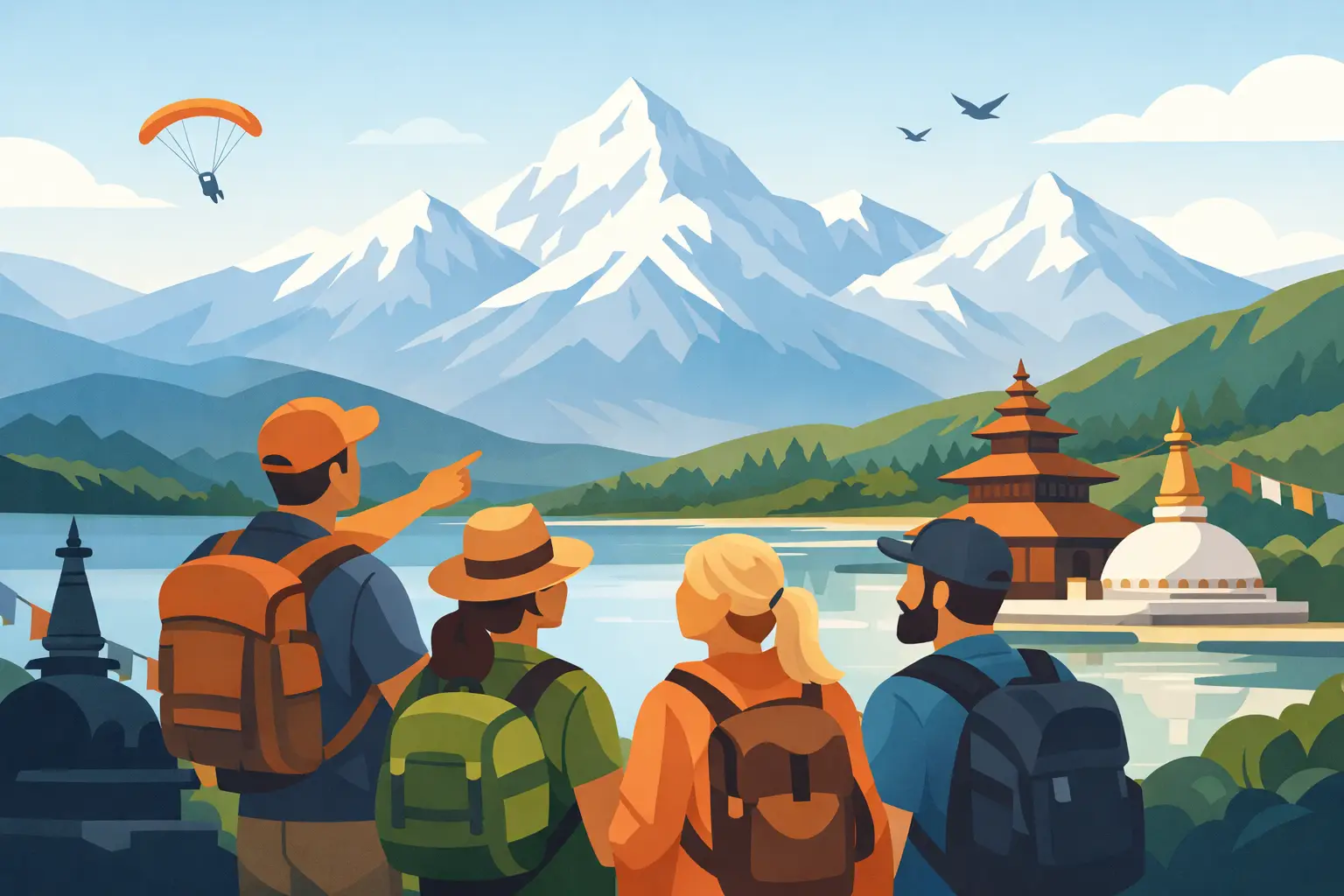
Nepal rewards travelers who slow down. One minute you are standing before intricately carved temple squares in the Kathmandu Valley, and the next you are sharing tea with locals in a hillside village or watching the first light hit the Himalayas. That is exactly why small group Nepal tours appeal to travelers who want more than a packed bus schedule and a rushed photo stop. In a destination shaped by living traditions, layered history, and dramatic geography, a smaller group simply creates a better way to experience the country.
What makes small group Nepal tours different
Nepal is not a place best experienced from a distance. Its most memorable moments often happen in conversation, in neighborhood courtyards, at family-run lodges, and on roads where timing and flexibility matter. A smaller group changes the rhythm of the trip. You spend less time organizing large numbers of people and more time actually engaging with the place around you.
That difference shows up quickly. Temple visits feel more personal when your guide can speak with the group rather than through a microphone. Meals are easier to enjoy when you can sit together in a welcoming local restaurant instead of being routed into a high-volume dining hall. Questions get answered. Adjustments happen more easily. The experience feels curated rather than processed.
For many travelers, that is the real draw. Small group travel offers structure without the impersonality that often comes with large coach tours. You still have the confidence of a planned itinerary, trusted logistics, and knowledgeable local guidance, but the atmosphere is more relaxed, human, and connected.
Nepal is better in a smaller group
Some destinations can absorb large-scale tourism without changing the experience too much. Nepal is not one of them. Its appeal lies in intimacy. The country invites attention to detail – the prayer flags strung across mountain viewpoints, the scent of incense near shrines, the texture of old brick lanes in Bhaktapur, the quiet pace of lakeside Pokhara at sunrise.
A smaller group fits that environment better. It moves through heritage sites with less disruption and allows for a more respectful presence in places where daily life and spirituality are closely intertwined. That matters in Nepal, where sacred spaces are not staged attractions. They are active, meaningful parts of local communities.
There is also a practical side. Roads can be winding, domestic travel can require patience, and weather can influence timing in ways that reward adaptability. Smaller groups tend to handle these realities with less friction. If a schedule needs a light adjustment, or if a guide wants to take advantage of a clear mountain view before conditions change, it is easier to do that with eight or ten travelers than with forty.
The cultural advantage of small group Nepal tours
Travelers often say they want an authentic experience, but authenticity usually comes from access and context, not from simply visiting famous places. Nepal delivers both when the trip is designed thoughtfully.
With a small group, guides can do more than recite dates and facts. They can explain the relationship between Hindu and Buddhist traditions, point out details that most travelers would miss, and create space for genuine interaction. In Kathmandu, that might mean understanding how ancient stupas still function as centers of devotion. In a village setting, it might mean a conversation about family life, farming, or seasonal festivals.
These are the moments that give a trip shape. You are not just seeing Nepal. You are beginning to understand how it works, what it values, and why certain places feel the way they do.
This is also where thoughtful tour design matters. The best itineraries balance iconic sites with quieter experiences. Yes, travelers want to see the major highlights, and they should. But Nepal becomes far richer when those landmarks are paired with local meals, neighborhood walks, artisan encounters, and time to absorb the atmosphere rather than race through it.
Comfort and reassurance without losing the sense of adventure
Many travelers are drawn to Nepal because it feels exciting, but they do not want that excitement to come from uncertainty around logistics. That is where a well-run small group tour earns its value.
Nepal can be deeply rewarding, but it also comes with planning variables that are easier to navigate with experienced support. Airport transfers, regional flights, road conditions, hotel coordination, entry procedures, and timing between destinations all require attention. When those details are handled well, travelers are free to focus on the experience itself.
Small-group travel strikes an appealing balance here. You are not navigating everything on your own, but you are also not swept along in a rigid, high-volume operation. There is room for personal attention, which matters whether you are a solo traveler wanting a welcoming group dynamic or a couple looking for a trip that feels organized but not overly scripted.
That smaller format also tends to create a stronger sense of trust. If you have dietary preferences, mobility questions, or simply want a bit more guidance as you travel, those needs are easier to address in an intimate group setting. The support feels visible rather than abstract.
Who small group Nepal tours are best for
This style of travel is a strong fit for travelers who want cultural depth without the stress of building a complex itinerary themselves. It works especially well for people who value meaningful structure – enough planning to feel confident, enough flexibility to keep the trip engaging.
Couples often appreciate the shared experience and ease of logistics. Solo travelers usually value the built-in companionship and reassurance of traveling with a professionally organized group. Friends and family members traveling together often find that a small group gives them the freedom to enjoy Nepal without having to manage every transfer, hotel, and sightseeing detail on their own.
It is also ideal for travelers who are curious but not interested in roughing it. Nepal does not need to be reduced to either backpacking or luxury extremes. There is a middle ground that offers comfort, cultural immersion, and smart planning, and that is where small group touring shines.
What to look for when choosing small group Nepal tours
Not all small group trips are equal. Group size matters, but design matters just as much. A strong Nepal itinerary should feel intentional, not just smaller in headcount.
Look for tours that combine the country’s headline experiences with opportunities for real local connection. The best programs give proper time to places like Kathmandu and Pokhara while also adding the texture that makes the journey memorable. A knowledgeable local guide is essential, not only for logistics but for interpretation. Nepal has extraordinary depth, and travelers benefit most when that depth is explained clearly and thoughtfully.
It is also worth paying attention to pacing. A good itinerary does not try to cram every possible stop into a few days. Nepal deserves breathing room. Travelers should have enough time to take in the mountain scenery, linger at heritage sites, and enjoy the rhythm of the country rather than moving through it in a rush.
Operational trust matters too. Clear communication before departure, well-organized support on the ground, and a company that understands the expectations of US travelers all make a difference. Atlas Global Tours, for example, builds its journeys around this balance of cultural immersion, personalized care, and dependable planning, which is exactly what many travelers want in a destination like Nepal.
The real value is how the trip feels
When people remember Nepal, they rarely talk first about efficiency. They talk about atmosphere, generosity, color, and the emotional impact of the landscape. They remember the guide who helped a temple complex make sense, the unexpected conversation over dinner, the stillness of early morning before a day of exploring.
That is why small group Nepal tours continue to stand out. They make space for the human side of travel while still delivering the organization and reassurance that people need. You get the comfort of a well-managed trip, but the experience still feels personal.
For travelers who want Nepal to feel vivid rather than generic, that distinction matters. A smaller group will not change the mountains, the monuments, or the beauty of the country. It will change how closely you get to experience them – and that often makes all the difference.
If Nepal is on your list, choose a journey that gives you room to connect with it properly. The country has a way of meeting travelers generously when they arrive with time, curiosity, and the right company beside them.