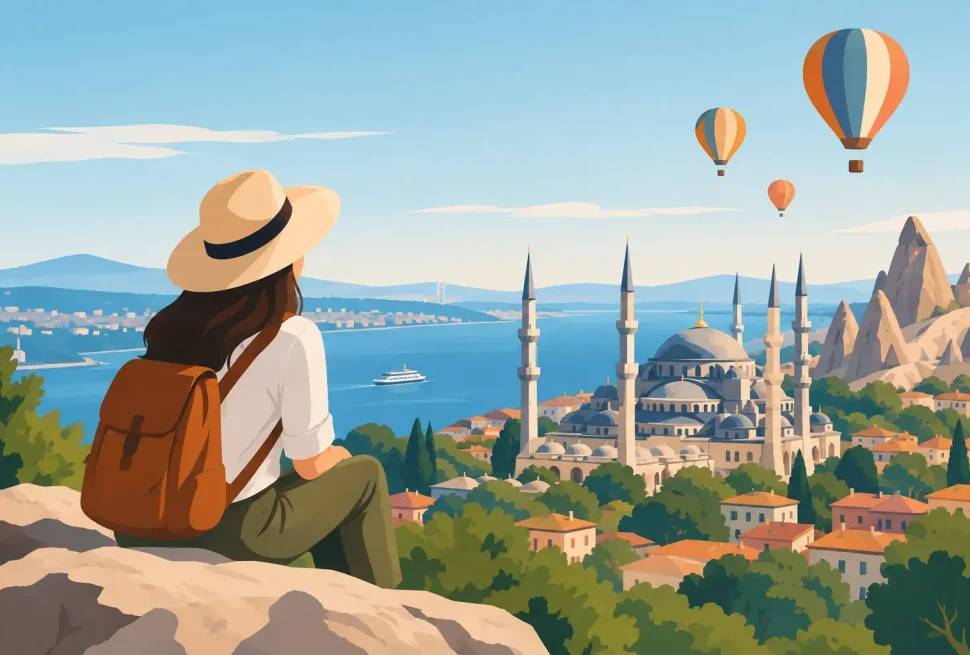

Some UNESCO sites are so famous that travelers expect them to feel crowded, rushed, and strangely distant once they arrive. That is exactly why unesco heritage small group tours appeal to people who want something more than a quick photo stop. The site itself matters, of course, but so does the way you experience it – with time to absorb the setting, room to ask questions, and a guide who can connect the monument to the people, traditions, and daily life around it.
For culturally curious travelers, the difference is not minor. A UNESCO-listed medina, temple complex, desert city, or historic quarter can either feel like a box checked or a place genuinely understood. Small-group travel shifts that balance in your favor.
Why UNESCO heritage small group tours work so well
UNESCO recognition carries weight for a reason. These places represent exceptional cultural or natural value, and many travelers build entire itineraries around them. But iconic status also brings challenges. Popular sites can be busy, tightly timed, and presented in a way that reduces living history to a short script.
A small group changes the rhythm. With fewer people moving together, logistics are simpler and the day feels more flexible. You spend less time waiting for everyone to reboard a bus and more time actually standing in the places you came to see. That matters at a site like Petra, where timing changes the quality of the walk through the Siq, or in a historic district like Fez, where a smaller group can move more naturally through narrow lanes and active neighborhoods.
Just as important, smaller groups make conversation possible. Instead of hearing a guide deliver information to a crowd, you can ask follow-up questions, slow down at details that interest you, and get a fuller picture of what you are seeing. For travelers who care about history, architecture, religion, food, and cultural continuity, that context is often what turns a memorable trip into a meaningful one.
What travelers actually gain from a smaller group
The first benefit is access, but not always in the way people assume. Access does not necessarily mean private entry or empty monuments. More often, it means practical access to a better experience. You can hear your guide without strain. You can move through historic spaces without feeling detached from the group. You can pause for a closer look instead of being carried along by the pace of 30 or 40 people.
The second benefit is balance. The best UNESCO-focused journeys do not treat heritage sites as isolated attractions. They place them in a broader cultural setting. A Roman amphitheater means more when paired with conversations about the modern city around it. A temple visit lands differently after sharing a meal, visiting a market, or speaking with a local artisan. That broader design is where a well-curated itinerary earns its value.
The third benefit is comfort. Many experienced travelers are done with large coach tours, but they are not looking to manage every detail on their own either. Small-group travel sits in the middle. You get structure, local expertise, and operational support, while still enjoying a more personal and relaxed experience.
UNESCO sites deserve context, not just transportation
It is easy to market a tour by naming famous places. The harder part is building a trip that helps those places make sense. That is especially true across regions where UNESCO sites span centuries, religions, empires, and artistic traditions.
In Egypt, a temple is not just a temple. It is part of a longer story about dynasties, cosmology, engineering, and the Nile’s role in shaping civilization. In Jordan, a heritage site may also tell a story about trade routes, desert adaptation, and layered identities from Nabataean to Ottoman to modern. In Japan, a UNESCO-listed district or shrine can open into conversations about ritual continuity, aesthetics, and how history is preserved within a living urban culture.
This is where local guides matter most. A strong guide does more than recite dates. They interpret the site in a way that feels grounded and human. They answer the question behind the question – not only what happened here, but why it still matters.
The trade-offs are real, and that is a good thing
Not every traveler needs a small group. If your top priority is the lowest price or seeing the greatest number of landmarks in the shortest time, a large-format tour may suit you better. Bigger groups can spread costs differently, and some travelers are perfectly happy with a faster, more standardized approach.
But if you care about pacing, interaction, and cultural depth, the trade-off often favors a smaller format. Premium small-group travel usually costs more because it is built differently. Group caps are lower. Guiding is more personalized. Logistics are less rigid. The experience is designed around quality rather than volume.
It also depends on destination. In some places, such as sprawling archaeological zones, group size affects comfort more than access. In tightly packed old cities or rural communities, it can affect everything from how easily you move to how respectfully you engage with local life. Smaller groups tend to fit these settings better.
What to look for in UNESCO heritage small group tours
The itinerary should tell you whether the company understands the difference between famous and meaningful. A strong program includes major UNESCO highlights, but it does not stop there. It also builds in the cultural threads that make those places resonate – regional food, neighborhood walks, artisan traditions, historical interpretation, and time to observe daily life.
Group size should be clear and genuinely small, not marketed as intimate while still reaching coach-tour scale. That distinction affects nearly every part of the trip. So does the quality of guiding. Look for tours that emphasize knowledgeable local guides, not just tour managers handling logistics.
Pacing matters too. If every day is packed from dawn to night, even extraordinary sites begin to blur together. Well-designed tours leave space for reflection, informal discovery, and the occasional unplanned moment that ends up being one of the most memorable parts of the journey.
Operational confidence is another major factor, especially for U.S. travelers going farther afield. Clear communication, professional planning, and reliable support remove friction from the experience. When the basics are handled well, you are free to focus on the destination rather than the mechanics of getting through it.
Where this style of travel shines
UNESCO-centered small-group journeys work especially well in regions layered with living history. In North Africa and the Middle East, ancient cities, Roman ruins, sacred landscapes, and traditional urban quarters often sit close to vibrant contemporary culture. That combination rewards travelers who want more than a scenic pass-through.
The same is true across parts of Europe and Asia, where a single trip can connect castles, monasteries, markets, old towns, and pilgrimage sites with modern food culture and local daily life. The strongest itineraries understand that travelers do not just want to stand in front of heritage. They want to feel oriented within it.
That is why companies built around intimate, culturally rich touring tend to perform so well in this space. Atlas Global Tours, for example, focuses on small groups and local cultural insight in destinations where UNESCO sites are often best understood as part of a broader human landscape, not isolated monuments.
Who benefits most from this approach
This style of travel is a strong fit for couples, solo travelers, and friends who want expert planning without the impersonality of mass tourism. It is especially appealing to travelers who have already done the big-bus version of touring and know they want something more grounded.
It also suits people who value reassurance. You can travel independently to many UNESCO sites, but independent travel asks you to coordinate transport, timing, tickets, and interpretation while navigating unfamiliar systems. For some travelers, that is part of the fun. For others, it subtracts energy from the very experience they came to enjoy.
A well-run small-group tour protects the part that matters most – your attention. Instead of spending it on logistics, you spend it on the carved stone, the call to prayer drifting through an old quarter, the local meal after a morning in a world-famous site, the conversation that helps the place stay with you long after you get home.
The best UNESCO journeys are not only about seeing what the world has agreed to preserve. They are about experiencing those places in a way that feels thoughtful, personal, and fully worth the trip. If that is the kind of travel you want, smaller is often smarter.