
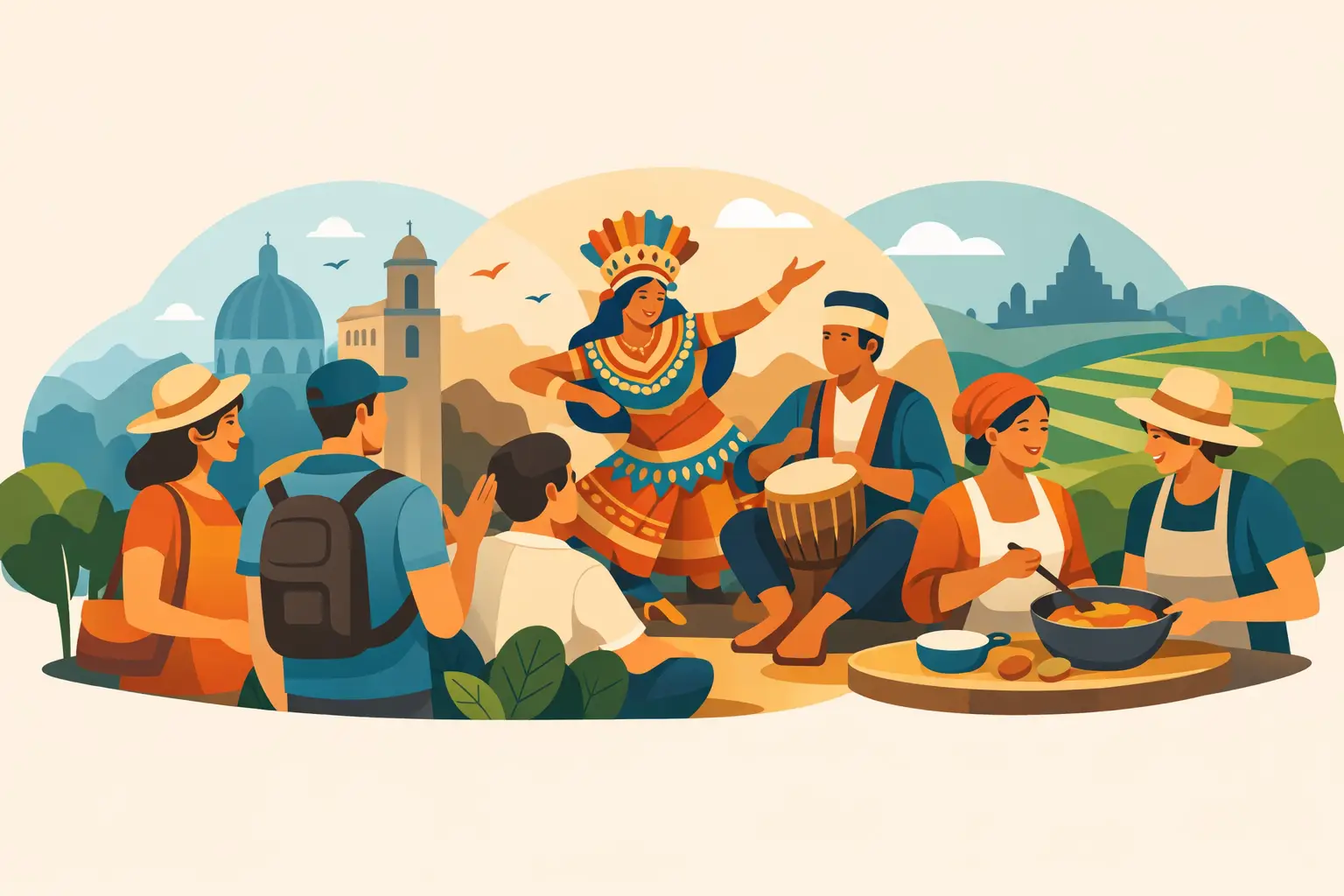
A sunrise visit to Petra can be unforgettable. But the memory often becomes more personal later that day: sharing coffee with a local guide who explains the customs behind Jordanian hospitality, lingering over a home-style meal, or hearing how a family’s daily life has changed around an ancient city. That is what makes a tour culturally immersive. It does not simply show you a destination’s famous sights. It helps you understand the people, traditions, stories, and everyday rhythms that give those sights meaning.
For travelers who want more than a photo checklist, cultural immersion is the difference between passing through a country and forming a genuine connection with it. The best tours create that connection with thoughtful planning, trusted local relationships, and enough breathing room for a place to reveal itself.
Cultural Immersion Starts With Context, Not Just Access
Many tours can arrange entry to a museum, a palace, or a UNESCO World Heritage Site. A culturally immersive tour goes further by helping travelers understand what they are seeing and why it matters now.
A temple in Japan is not simply an architectural landmark. It may be a living place of worship shaped by rituals, seasonal festivals, and community traditions. A visit to a medina in Morocco becomes richer when a knowledgeable guide can explain the crafts, family businesses, religious customs, and social etiquette that shape its narrow lanes. Context turns observation into understanding.
This is why strong local guides matter so much. The right guide is not a person reciting dates from a script. They are a cultural ambassador with lived knowledge, professional expertise, and the judgment to explain nuances respectfully. They know which stories bring history to life, when to pause for questions, and how to help visitors engage in ways that feel welcome rather than intrusive.
Small Groups Make Room for Real Connection
Group size can quietly determine the quality of a cultural experience. A large coach group has to follow fixed schedules, move quickly through crowded spaces, and organize every stop around logistics. There is rarely much opportunity for conversation or flexibility.
In a group of 10 or fewer travelers, the experience can feel entirely different. You can hear your guide without a headset in many settings, ask the follow-up question that interests you, and step into a family-run workshop without overwhelming the people welcoming you. Meals become conversations rather than a rush to serve dozens of guests at once.
Small groups also make it easier to adjust when a meaningful opportunity appears. Perhaps a local artisan has time to demonstrate a technique, a neighborhood market is especially lively, or the group wants a few more minutes to speak with a host. Flexibility should never mean poor organization. It means a well-designed journey has room for the human moments that cannot be scheduled to the minute.
Meaningful Encounters Should Be Respectful
Cultural immersion is not about treating local life as a performance for visitors. The most worthwhile experiences are built on mutual respect, clear expectations, and relationships that benefit the people who welcome travelers.
That may look like learning regional cooking traditions from a local host, visiting a craft cooperative where artisans are fairly represented, or meeting community members through a guide who understands the appropriate setting and etiquette. These encounters should feel natural, not staged. Travelers should leave with greater appreciation, while hosts should retain agency and dignity.
Respect also asks something of the traveler. It means dressing appropriately at religious sites, learning a few useful greetings, asking before photographing people, and listening more than speaking when a host shares a personal story. A thoughtful tour creates the setting, but each traveler helps shape its quality.
Food Reveals Culture in Everyday Detail
Food is one of the most direct ways to understand a place because it carries history into the present. Ingredients reflect climate and trade routes. Recipes reveal migration, faith, celebration, and family habits. Even the way a meal is shared can say something about local values.
A culturally rich itinerary does not rely only on restaurants selected for convenience. It includes opportunities to try regional specialties in the places where they make sense: street food with a guide who knows the vendors, a countryside lunch featuring seasonal ingredients, a market visit, or a meal in a neighborhood restaurant with a long local following.
There is a practical balance to strike. Not every traveler is comfortable with unfamiliar foods, and dietary needs deserve careful planning. A good tour does not pressure anyone to eat outside their comfort zone. Instead, it offers informed choices and makes trying something new feel inviting, safe, and enjoyable.
Time Matters as Much as the Itinerary
An overpacked schedule can undermine even the most impressive collection of experiences. When every hour is assigned, travelers may see a great deal but have little time to absorb what they have seen.
Immersion needs a measured pace. That can mean allowing time after a major site to sit in a cafe, browse a local market, or walk through a neighborhood with no agenda beyond noticing its character. It can mean spending two nights in a destination rather than checking in and out after a single rushed visit.
This does not mean a cultural tour should be unstructured. Most travelers appreciate knowing that transportation, accommodations, key visits, and practical details have been handled carefully. The goal is to combine reliable organization with moments of discovery. You should feel supported throughout the journey, not herded from one obligation to the next.
Cultural Depth Includes the Famous Places
Immersive travel is sometimes mistaken for avoiding popular attractions. That is not the point. Iconic landmarks are often essential to understanding a destination. The pyramids, the Taj Mahal, Istanbul’s historic mosques, and the ancient cities of the Balkans are famous for good reason.
What matters is how they fit into the larger journey. Visiting an internationally recognized site alongside lesser-known neighborhoods, regional traditions, and conversations with local experts creates a fuller picture. The landmark provides a shared historical reference point; the quieter experiences reveal how culture is lived today.
A well-curated tour avoids the false choice between highlights and hidden gems. It makes room for both, then connects them with a clear story of the destination.
What Makes a Tour Culturally Immersive in Practice?
When evaluating an itinerary, look beyond broad promises of “authentic travel.” Ask who will guide the experience, how large the group will be, and whether there is time to engage rather than simply move along. Consider whether the itinerary includes local meals, neighborhood visits, cultural demonstrations, and meaningful free time alongside major landmarks.
It is also worth asking how the company handles the practical side of travel. Cultural connection is easier to enjoy when accommodations, transportation, communications, and on-the-ground support are managed with care. The most memorable journeys balance curiosity with confidence.
At Atlas Global Tours, that balance is central to small-group travel: carefully selected local guides, thoughtfully paced itineraries, and experiences designed to bring travelers closer to the places they have come so far to see.
The right tour will not claim to show you everything about a culture in a week or two. No itinerary can do that. But it can help you arrive with curiosity, travel with respect, and return home with stories that feel more personal than anything a postcard could hold.