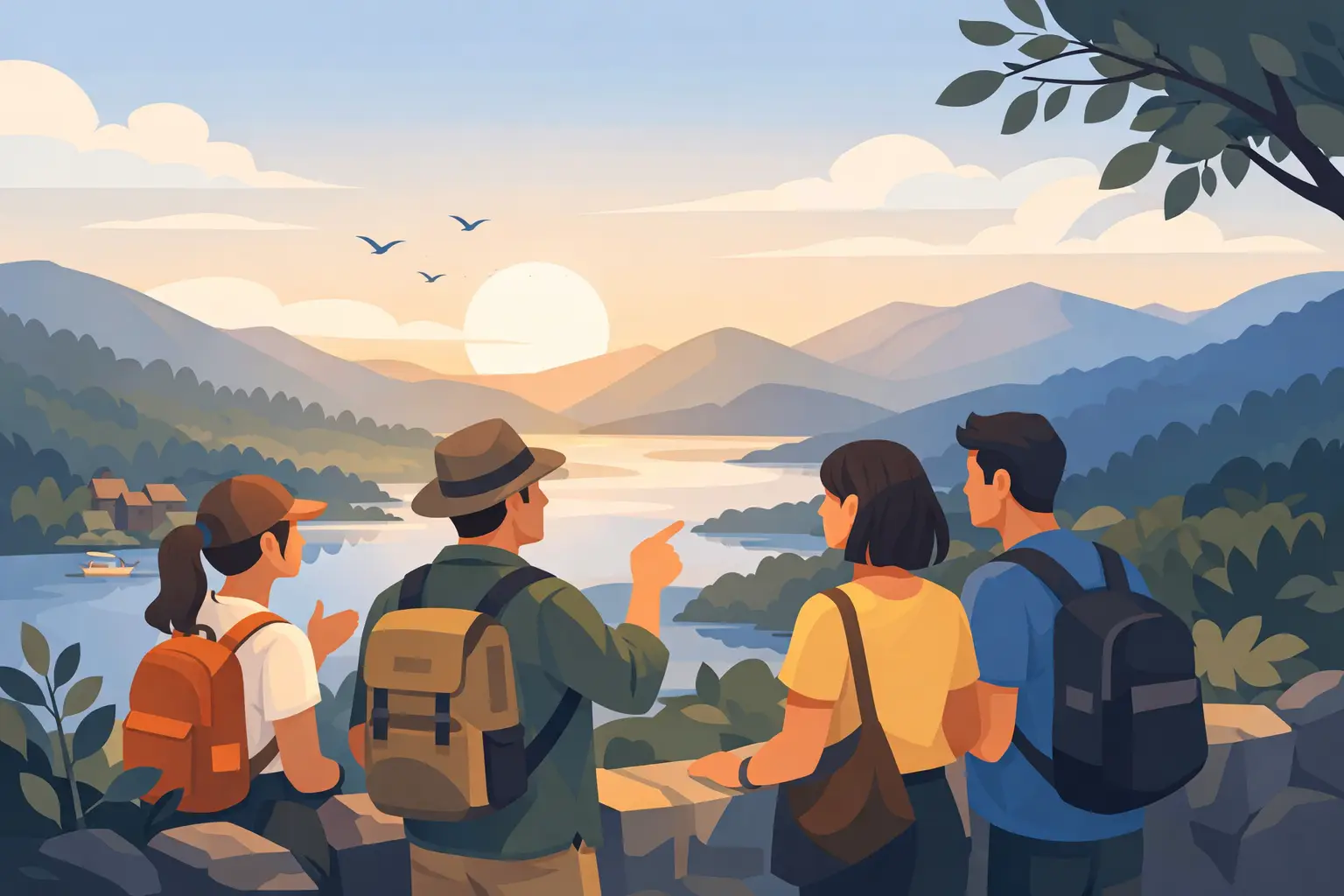
A quiet conversation with a shopkeeper in Fez. A local guide adjusting the afternoon because the light over Petra is especially beautiful. A shared table in rural Japan where the meal becomes as memorable as the temple visit. These are the moments that large coach itineraries often rush past. Small group tours are designed to make room for them.
For travelers who want more than a string of photo stops, traveling with a smaller group can change the entire character of an international journey. You still have the reassurance of a well-planned itinerary, experienced local guidance, and major details handled in advance. But you also have more space to ask questions, follow local rhythms, and experience a destination as something more than a checklist.
What Makes Small Group Tours Different?
Group size affects far more than the number of people sitting at dinner. It shapes where you can stay, how easily you move through a city, the kind of restaurants that can welcome you, and how much attention your guide can give to the people traveling with them.
On a large tour, timing is often dictated by logistics. A coach needs a place to park. A restaurant needs enough tables. Every stop requires counting heads and keeping a fixed schedule. Small groups can be more nimble. They can walk into a family-run restaurant, use smaller vehicles where appropriate, linger in a market, or make a thoughtful adjustment when a local opportunity arises.
That flexibility should not be confused with a lack of structure. The best small-group journeys are carefully organized before you arrive. Transportation, accommodations, key visits, and local expertise are planned with care, so you can be present rather than constantly solving travel problems. The difference is that the plan serves the experience, not the other way around.
More Personal Attention, Without Losing Independence
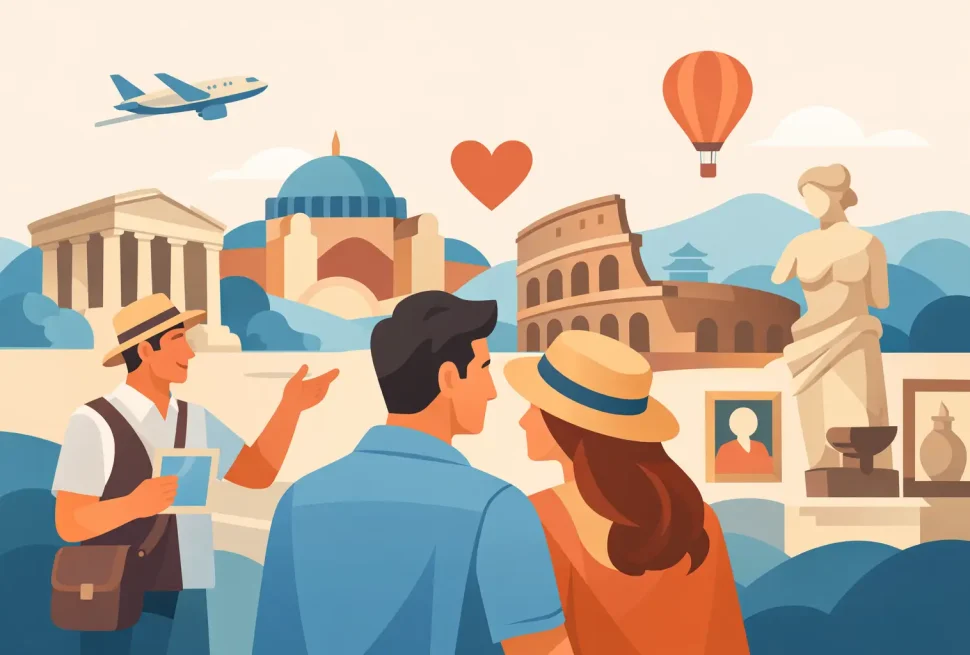
A smaller group creates a more natural relationship with your guide. Instead of trying to hear commentary from the back of a crowd, you can ask about daily life in Amman, the symbolism behind a Hindu ceremony in India, or which regional dish a local would order in Istanbul.
Knowledgeable local guides do more than explain monuments. They provide context that turns a beautiful site into a meaningful one. They can help you understand why a neighborhood matters, how history still shapes a community, and which customs are helpful to know before entering a home, mosque, temple, or market.
Personal attention also matters in practical ways. Maybe you have a dietary request, need a slower pace at a particular site, or want advice for free time. No guided trip can be fully customized around every individual preference, and travelers should expect to keep pace with a shared itinerary. Still, a group capped at 10 people gives trip leaders a much better chance to notice needs and respond with care.
For solo travelers, this can be especially reassuring. You have companions for the journey and support in unfamiliar places without feeling absorbed into a crowd. Couples and friends often appreciate the same balance: shared discoveries during the day, with enough breathing room to make the trip feel like their own.
Cultural Connection Happens in the Details
Iconic places deserve their reputation. Standing before the Pyramids of Giza, walking through Rome’s ancient streets, or seeing the sunrise over Angkor Wat can be profoundly moving. Yet the memories travelers return to most often are less predictable: a spice vendor’s recommendation in Morocco, tea with a host family, a conversation during a village walk, or the sound of evening prayers drifting across a city.
Small-group travel is well suited to these experiences because it is built around access and pace. It can combine UNESCO-listed highlights with places that do not appear on every standard route. A thoughtful itinerary might pair Egypt’s great monuments with local cuisine and neighborhood stories, or balance Jordan’s celebrated landscapes with time to understand Bedouin traditions and contemporary life.
Authenticity, however, is not about staging a perfect “local” moment for a camera. It is about approaching communities with respect, curiosity, and humility. A good tour operator works with local partners, uses guides who understand the destination deeply, and designs encounters that feel reciprocal rather than intrusive. Travelers have a role, too: listen carefully, learn a few customs, and allow a place to be more complex than its postcard image.
The Confidence to Travel Farther
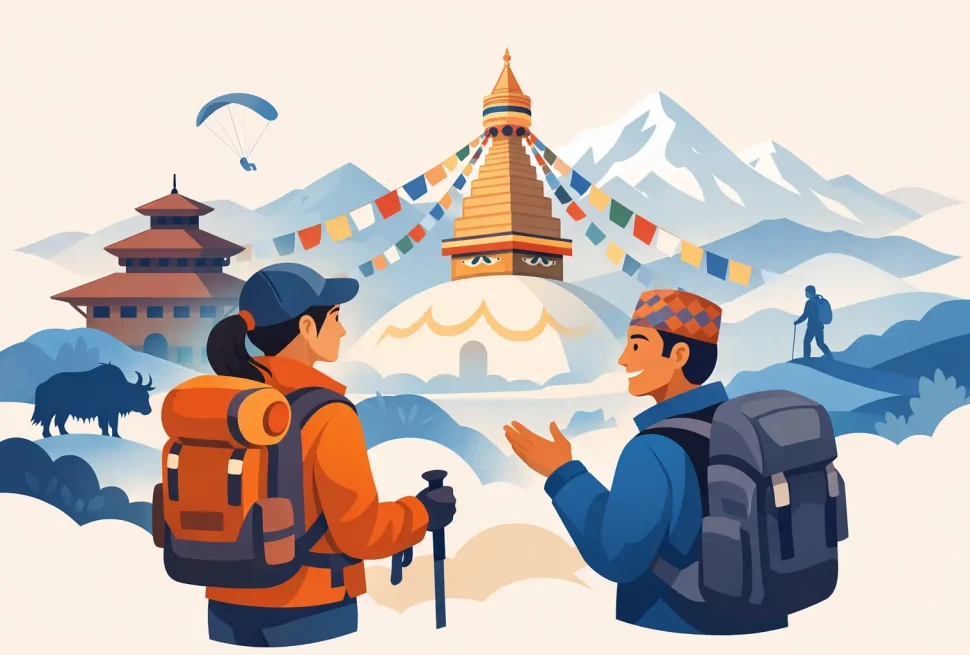
Destinations such as Morocco, India, Nepal, Oman, Tunisia, Egypt, and Türkiye reward curiosity, but planning them independently can require significant time and energy. Travelers may need to compare transportation options, navigate language differences, evaluate hotels, understand entry requirements, and decide how to use limited days well.
Small group tours reduce that friction. An experienced operator has already considered routing, arrival logistics, trusted accommodations, local transportation, and the practical realities of each destination. That preparation offers peace of mind, particularly on multi-country journeys or trips where a traveler is visiting the region for the first time.
There is a real trade-off. Independent travel can offer total freedom to change direction at any moment, while a guided itinerary includes shared departure times and planned activities. But for many travelers, the freedom gained is more valuable: freedom from researching every transfer, worrying about a missed connection, or wondering whether they have overlooked the experience that would have made the trip special.
Atlas Global Tours approaches this balance with groups capped at 10 travelers, curated itineraries, and local guides who help guests engage with a destination thoughtfully. The goal is not to fill every hour. It is to make the hours count.
Who Benefits Most From a Small Group?
Small-group travel is a strong fit for people who value discovery but do not want to carry every logistical responsibility themselves. That includes busy professionals who have limited time to plan, experienced travelers seeking a deeper route through a familiar region, and first-time visitors who want knowledgeable support.
It can also suit travelers who are wary of rigid, impersonal tour experiences. A smaller group is not automatically better simply because of the number. The itinerary, guide quality, pace, accommodations, and local relationships all matter. Still, group size is often the foundation that allows those elements to work well together.
Before choosing a trip, consider what kind of days you enjoy. Do you want a full schedule of major sights, or time to wander after a guided visit? Are you comfortable with some walking and early starts? Would you rather stay in a large international hotel or a smaller property with a stronger sense of place? The right tour should be clear about its rhythm, inclusions, and expectations.
How to Choose Well
Look beyond phrases such as “intimate” or “authentic.” Ask how many travelers are actually permitted, who leads the trip on the ground, and whether the company has clear answers about accommodations, transportation, activity level, and support. Reviews can reveal whether an operator delivers on its promises, particularly when they mention guides, pacing, communication, and how unexpected situations were handled.
It also helps to examine the itinerary closely. The most rewarding routes do not try to conquer an entire country in a week. They create a sensible flow, with time to absorb major sites and room for the texture of everyday life. A journey through the Balkans, for example, may be richer when it includes meaningful time in fewer places rather than a daily race across borders.
Choose a group whose travel style matches your own. You do not need everyone to share the same background or schedule at home, but a common curiosity and willingness to be considerate go a long way. The people around you can become part of the story of the trip.
The best journey leaves you with more than photographs and a list of places visited. It gives you stories with names, flavors, and a sense of connection. Choose the kind of travel that leaves enough room for those stories to happen.