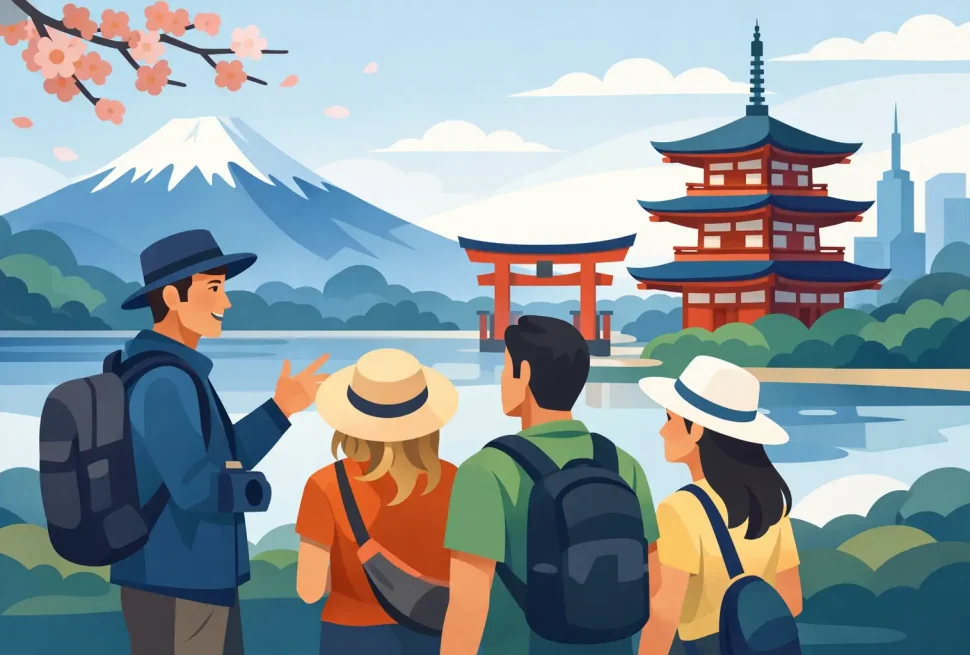
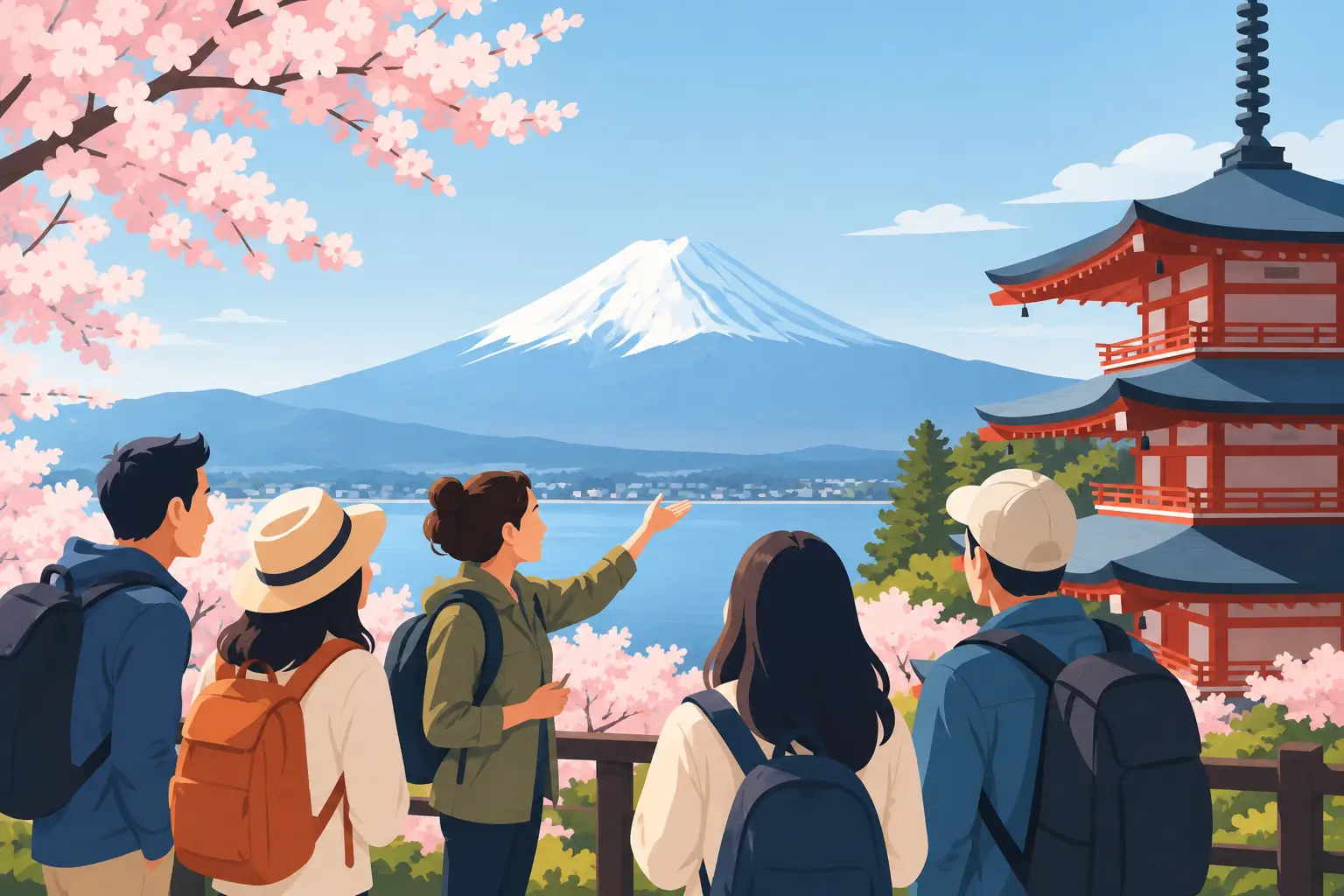
Tokyo can feel astonishingly precise: a train arrives on time, a quiet side street leads to a generations-old shop, and a temple garden creates stillness just minutes from a busy station. A thoughtful Japan tour review should capture more than those postcard moments. It should help you understand whether a guided trip creates genuine connection while making a country of extraordinary detail feel approachable.
For travelers who want more than a fast-moving checklist, Japan is especially rewarding in a small group. The country is easy to admire from a distance, but its most memorable moments often require context: knowing the story behind a shrine ritual, understanding why a meal is served in a particular order, or having the confidence to step into a neighborhood restaurant you may have passed by on your own.
What a Japan Tour Review Should Really Tell You
The best reviews do not simply say that a tour was “great” or that the hotels were “nice.” They describe the feeling of the journey and the care behind it. Look for details about the group size, the pacing between major cities, the guide’s local knowledge, and whether travelers had room to be curious rather than rushed.
Japan rewards travelers who notice the small things. A guide who can explain the etiquette of a tea experience, point out a seasonal ingredient at a market, or share the local history behind Kyoto’s preserved streets adds meaning that a guidebook cannot always provide in the moment. That cultural interpretation is often the difference between seeing Japan and beginning to understand it.
Practical observations matter, too. Reviews should indicate whether transportation was well organized, whether accommodations were conveniently located, and how clearly the tour company communicated before departure. Japan’s rail system is remarkable, but navigating stations with luggage, schedules, and language differences can be tiring after a long flight. Professional planning does not remove the pleasure of discovery. It removes the unnecessary friction around it.
Why Small Groups Change the Experience
A group of 30 moves through Japan differently than a group of 10. Larger tours may cover broad ground efficiently, and they can suit travelers whose priority is seeing as much as possible in a limited time. The trade-off is that rigid schedules, crowded coach stops, and a one-size-fits-all pace can make personal discovery harder.
A smaller group creates more breathing room. It is easier to enter intimate restaurants, linger over a conversation with a local host, and adjust plans when weather or a seasonal event presents an unexpected opportunity. You are not simply following a flag through the busiest sights. You have a better chance to notice the details between them.
For solo travelers, a small group can also strike a comfortable balance. There is companionship at dinner and support during transit, without the feeling of being absorbed into an anonymous crowd. Couples and friends often appreciate that same balance: shared experiences with the freedom to enjoy a quiet walk, shop for ceramics, or pause for coffee on their own.
At Atlas Global Tours, groups are capped at 10 travelers for this reason. The intention is not exclusivity for its own sake. It is to preserve access, flexibility, and the personal attention that helps a complex destination feel welcoming.
The Moments That Make Japan Feel Personal
Japan’s celebrated landmarks deserve their place in any well-designed itinerary. Tokyo offers energy, design, and food at nearly every turn. Kyoto brings together temple architecture, gardens, crafts, and traditional neighborhoods. Depending on the route, cities such as Osaka, Hiroshima, Kanazawa, or Nara add their own powerful perspectives on cuisine, history, art, and daily life.
Yet a meaningful tour should not treat these places as boxes to check. In Tokyo, the value may be in understanding how old Edo traditions exist alongside futuristic cityscapes. In Kyoto, it may be the chance to learn why a temple’s garden is composed the way it is, rather than simply taking a photo and moving on. In a smaller town, it may be a family-run inn, a regional specialty, or a craftsman’s workspace that stays with you long after the famous sights blur together.
Food is another place where guided travel can add real depth. Japanese cuisine is far more varied than the dishes most Americans encounter at home. Regional noodles, grilled seafood, seasonal vegetables, wagashi sweets, izakaya plates, and carefully prepared breakfasts each tell part of a larger cultural story. A considerate tour can make these experiences feel accessible for travelers with different comfort levels, while still encouraging respectful curiosity.
That does not mean every meal needs to be programmed. Free evenings are valuable. They allow travelers to follow a recommendation from a guide, return to a restaurant that caught their eye, or choose a simple convenience-store snack after a full day. The strongest itineraries combine curated experiences with enough personal time to make the trip feel like your own.
Comfort, Etiquette, and the Value of Local Guidance
Japan is widely regarded as a safe and organized destination, but a successful trip still depends on preparation. Travelers may encounter language barriers, compact hotel rooms, long walking days, unfamiliar payment habits, and a culture where consideration for others shapes everyday behavior. None of this should be intimidating. It simply calls for realistic expectations and thoughtful support.
A knowledgeable local guide can make cultural etiquette feel natural rather than stressful. They can offer practical guidance on temple visits, public transportation, dining customs, tipping expectations, and how to navigate quiet spaces respectfully. The goal is not to memorize rules. It is to travel with awareness and confidence.
Pacing deserves equal attention in any Japan tour review. The country has a great deal to offer, and it is tempting to build an itinerary around constant movement. But a trip that covers too many cities in too few days can leave travelers spending more time checking in, checking out, and transferring luggage than absorbing what is around them.
A well-paced journey usually includes a few longer stays, sensible travel times, and a rhythm that alternates landmark visits with unstructured moments. It also acknowledges that Japan involves walking. Comfortable shoes, manageable luggage, and an openness to occasional early starts will serve you well. In return, you may find yourself wandering a lantern-lit lane, browsing a morning market, or hearing temple bells at dusk rather than watching the country pass by from a bus window.
Questions Worth Asking Before You Book
Before choosing a guided Japan trip, ask how many travelers will be in the group and whether the advertised maximum is truly enforced. Ask who leads the experience on the ground, how much local time is built into the itinerary, and what support is available before and during travel. These questions reveal far more than polished photos alone.
It is also wise to review what is included and what remains flexible. Meals, entry fees, rail travel, airport transfers, gratuities, and single-room options can vary widely among operators. A lower headline price may be appealing, but it is only a good value if the itinerary, accommodations, and on-tour support match the experience you want.
Finally, consider your own travel style. If you enjoy independent planning and have weeks to explore, self-guided Japan can be deeply satisfying. If you would rather spend your energy on the country itself while experienced planners coordinate the details, a small-group tour offers a different kind of freedom: the freedom to be present.
A Japan Tour Review Is About More Than the Highlights
The most persuasive feedback from Japan travelers often centers on moments that were never fully captured in a brochure: a guide translating a conversation with a shop owner, the shared laughter of a small group over an unfamiliar dish, or the quiet confidence of navigating a new city with knowledgeable support nearby.
That is the standard worth seeking. Choose a trip that gives you the iconic places you came to see, then leaves room for the encounters you could not have planned. Japan has a way of rewarding attentiveness, and the right travel experience gives you time to pay attention.