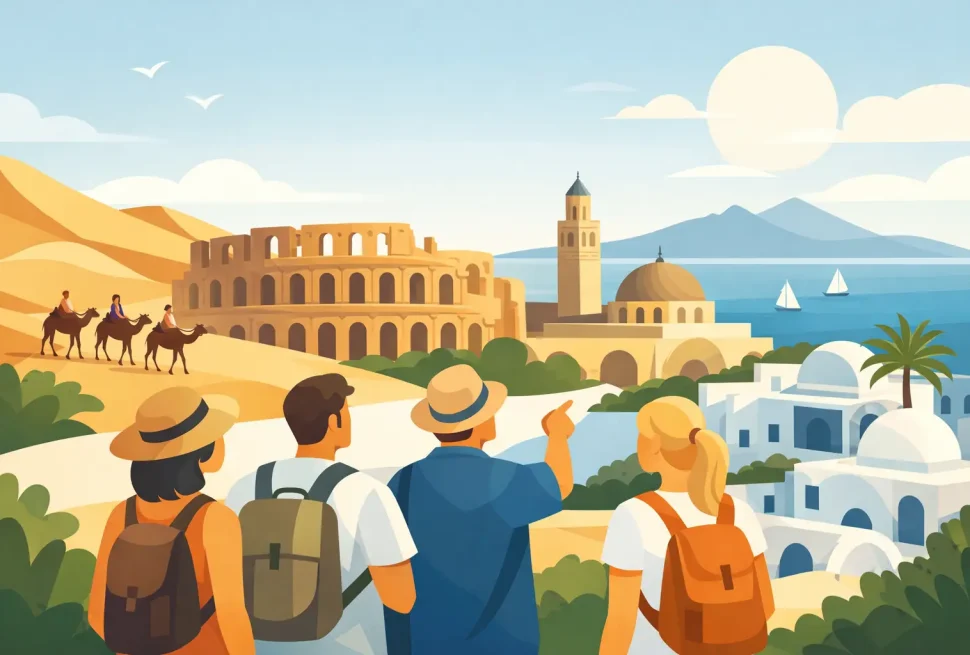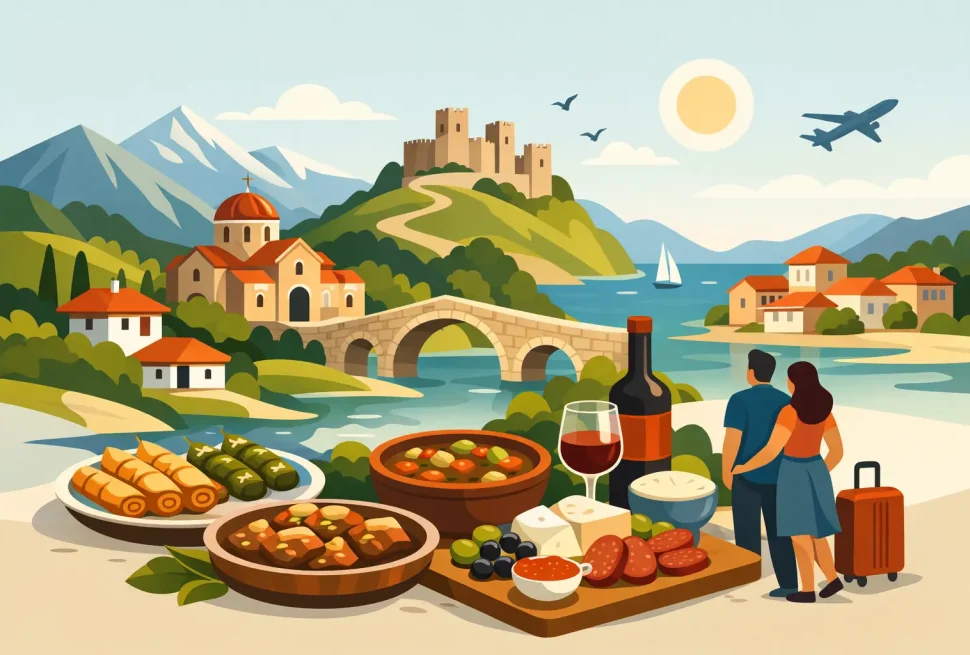

A morning market before the crowds arrive. The call to prayer carrying across an old city. A family recipe explained at the table by someone who has made it for decades. These are the moments that give cultural travel its lasting power. They turn a destination from a place you photographed into a place you understand, if only a little more deeply than before.
For many travelers, seeing a famous monument is still part of the dream. Standing before the Pyramids of Giza, walking through Petra, or admiring a temple in Kyoto can be extraordinary. But the most rewarding journeys make room for what happens around those landmarks: the stories, customs, flavors, and conversations that reveal how a place lives today.
Cultural Travel Is More Than Sightseeing
Cultural travel is the practice of experiencing a destination through its people, heritage, daily life, arts, food, beliefs, and traditions. It asks more of a trip than a checklist of attractions. Rather than rushing from one photo stop to the next, travelers spend time learning why a place matters and how its past continues to shape the present.
That does not mean every day must feel academic or overly scheduled. A meaningful cultural experience may be as simple as learning the etiquette of a tea ceremony in Japan, sharing mint tea in Morocco, hearing a local guide explain the symbolism in an Armenian monastery, or understanding why a neighborhood in Istanbul has changed over generations. Context is what transforms a beautiful sight into a memorable experience.
This approach is especially valuable in destinations with layers of history. In Egypt, Jordan, India, Tunisia, Oman, or the Balkans, ancient civilizations, faiths, trade routes, empires, and modern communities often meet in the same landscape. A knowledgeable local guide can connect those layers in a way a guidebook rarely can, while also helping travelers engage respectfully with customs that may be unfamiliar.
Why Small Groups Create Better Cultural Connections
The size of a travel group changes the experience more than many people expect. Large coach tours can cover a great deal of ground, but they often operate on a fixed rhythm: arrive, listen, photograph, depart. There is less room for questions, quieter encounters, or the spontaneous detour that becomes the story everyone remembers.
A small group creates a more personal pace. With no more than 10 travelers, it is easier to enter family-run restaurants, browse a crafts workshop, join a cooking experience, or spend unhurried time with a local host. It also allows guides to respond to the interests of the group. A traveler fascinated by architecture may have time for a closer explanation, while a food lover can ask more about regional ingredients and traditions.
There is a practical benefit, too. Smaller groups are easier to coordinate in historic medinas, narrow mountain roads, museums, and busy city centers. You are not simply one face in a crowd. You have more access to your guide, more opportunity to connect with fellow travelers, and greater confidence that the details are being managed thoughtfully.
For solo travelers, couples, and friends traveling together, this balance can be ideal. You share the experience with like-minded people while retaining the warmth and flexibility that disappear in a large tour setting.
The Difference Between Authenticity and Performance
“Authentic” is one of travel’s most overused words, so it deserves a clearer definition. Authentic cultural travel is not about finding a place untouched by tourism. Nearly every popular destination has been shaped, in some way, by visitors. It is about approaching communities with curiosity, honesty, and respect rather than expecting culture to be performed on demand.
A local meal can be deeply meaningful, even if the restaurant welcomes travelers regularly. What matters is whether the experience is rooted in the place: regional dishes, genuine hospitality, fair partnerships, and a guide who can explain the history behind what is on the table. The same is true of artisan visits, music performances, and village stops.
Thoughtful itineraries avoid treating people’s homes, faith, or traditions as entertainment. They also recognize that no culture is frozen in time. Modern Japan is not less Japanese because of its high-speed trains, and Morocco is not less Moroccan because its cities are changing. The most interesting journeys make space for both heritage and contemporary life.
Travelers have a role to play here. Dress appropriately when visiting religious sites, ask before photographing people, learn a few basic greetings, and remain open when local norms differ from your own. Respect is not a limitation on your experience. It is what makes real connection possible.
How to Choose a Cultural Journey With Depth
The strongest itineraries are carefully paced. They include major landmarks because those places are often remarkable for good reason, but they do not rely on famous sights alone. Look for a journey that pairs headline experiences with meaningful local encounters and enough time to absorb both.
Before booking, consider how a company answers a few important questions. Who leads the trip on the ground? Are local guides central to the experience or added only for quick site visits? Does the itinerary include regional food, neighborhood exploration, crafts, or community-based experiences? Is there free time to follow your own curiosity? Clear answers usually reflect careful planning.
It also helps to examine the rhythm of the trip. A packed itinerary may sound impressive, but cultural connection needs breathing room. If every day begins before sunrise and ends late at night, there may be little time to notice the details that make a destination distinct. On the other hand, too much unstructured time can leave travelers uncertain about what they are seeing or how to make the most of it.
The right balance depends on your travel style. Some travelers want active days and multiple historic sites. Others prefer a slower pace with longer meals, market visits, and time to wander. A well-designed small-group tour should be clear about its activity level, accommodations, transportation, and inclusions, so you can choose with confidence rather than guesswork.
Local Guides Bring Places Into Focus
A great local guide does more than point out dates and monuments. They explain the meanings that may not be visible at first glance: why a doorway is painted a certain color, how a holiday is celebrated, what a particular dish says about migration, or why residents feel strongly about a historic square.
They also provide reassurance. Crossing cultural and language barriers can be exciting, but it can occasionally feel intimidating, particularly in a new region. A trusted guide helps travelers navigate etiquette, transportation, local expectations, and unexpected changes with calm, practical support. That peace of mind allows you to be present rather than preoccupied with logistics.
At Atlas Global Tours, local guides are chosen for this ambassador role. They help travelers move beyond surface-level sightseeing while providing the organization and clear communication that make international travel feel comfortable and well cared for.
Bring the Right Mindset, Not Just the Right Luggage
Preparation can make cultural experiences richer before you even depart. Read a short history of your destination, watch a film from the region, or learn a handful of useful phrases. You do not need to become an expert. A little background helps you recognize references, ask better questions, and appreciate the nuances your guide shares.
Once there, resist the urge to measure every day by how much you covered. A conversation with a shopkeeper, a quiet hour in a museum, or an unexpected taste at a roadside café may stay with you longer than the biggest attraction. Keep a few notes at the end of each day. The details you write down – a phrase, a scent, a story, a gesture of kindness – are often the details that return most vividly after you are home.
Cultural travel does not require giving up comfort, safety, or the pleasure of seeing celebrated places. It simply asks for a more attentive way of moving through the world. Choose experiences that make room for local voices, expert context, and unhurried discovery, and let each destination challenge the assumptions you brought with you.