A sunrise over the Himalayas can feel deeply personal. So can the first taste of momos in a busy Kathmandu courtyard, the sound of prayer flags moving in the mountain wind, or a conversation with a local family over tea. Yet Nepal is also a destination where thoughtful planning makes a meaningful difference. Nepal guided tours for solo travelers offer a way to experience these moments with independence of spirit and the reassurance of knowledgeable support.
For travelers who want more than a quick photo at a famous temple or a rushed trek through dramatic scenery, a well-designed small-group journey creates room for context, connection, and confidence. You arrive on your own, but you do not have to navigate every unfamiliar detail alone.
Why Nepal Is Especially Rewarding for Solo Travelers
Nepal brings together experiences that can be difficult to find in one journey: ancient cities, living Hindu and Buddhist traditions, dramatic Himalayan views, wildlife-rich lowlands, and warm, everyday hospitality. In Kathmandu Valley, elaborate temple squares and sacred stupas are not preserved behind glass. They are part of daily life, filled with worshippers, artisans, vendors, monks, and families.
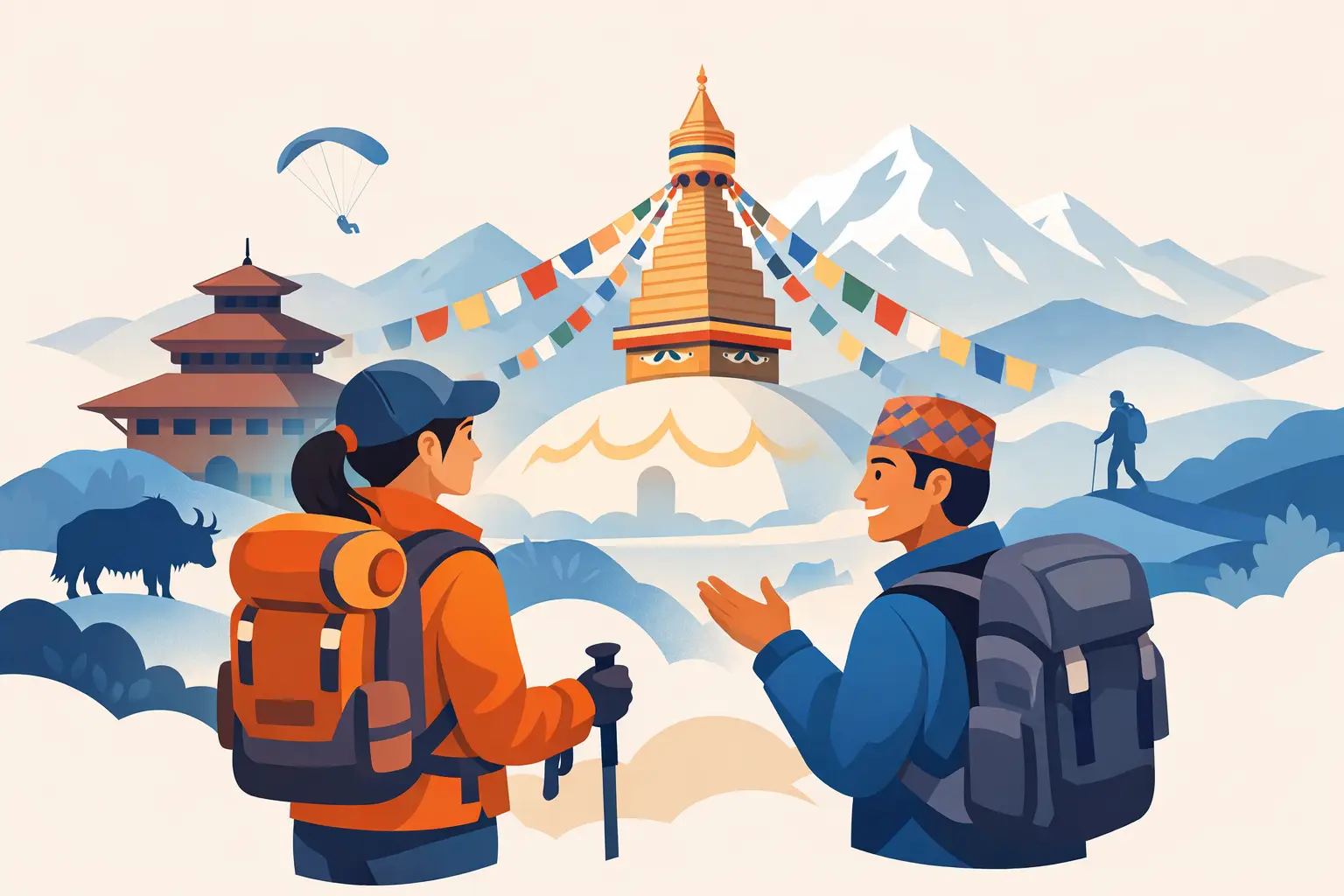
That living culture is what makes Nepal so compelling, but it also rewards travelers who have local perspective. A guide can explain the rituals taking place at Pashupatinath, the symbolism woven through the painted eyes of Boudhanath Stupa, or why a small shrine tucked into a neighborhood lane matters to the people who pass it every day. Without that context, even a spectacular site can remain only a beautiful image.
Solo travel also changes the rhythm of a trip. You may welcome a quiet morning with a mountain view, then want company at dinner or someone to share the excitement of spotting a one-horned rhino in Chitwan National Park. A small group provides that balance. There is space to be yourself, along with a natural circle of fellow travelers when you want to connect.
What Guided Travel Adds Beyond Logistics
Independent travel in Nepal is possible, particularly for travelers comfortable arranging hotels, domestic transportation, guides, permits, and changing plans on the ground. But it is not the right fit for everyone. Road journeys can be longer than distances suggest, weather can affect mountain flights, and the most rewarding cultural encounters are often easier to access through trusted local relationships.
A guided journey removes much of the friction while preserving the sense of discovery. The value is not simply having someone point out landmarks. It is having an itinerary built around realistic travel times, carefully selected accommodations, reliable transportation, and experiences that make the destination feel more human.
On a thoughtfully paced tour, a morning at Patan Durbar Square can be followed by time with local craftspeople rather than another crowded stop. A visit to a mountain village can include meaningful cultural exchange rather than a staged performance. The distinction matters. Authentic travel is not about chasing the most remote location. It is about approaching places with curiosity, respect, and enough time to understand what you are seeing.
For solo travelers, this planning also offers practical peace of mind. You have a local expert to help interpret cultural customs, coordinate transitions, and respond calmly if plans need to change. You can focus more fully on the experience instead of constantly managing the next detail.
Nepal Guided Tours for Solo Travelers: The Small-Group Difference
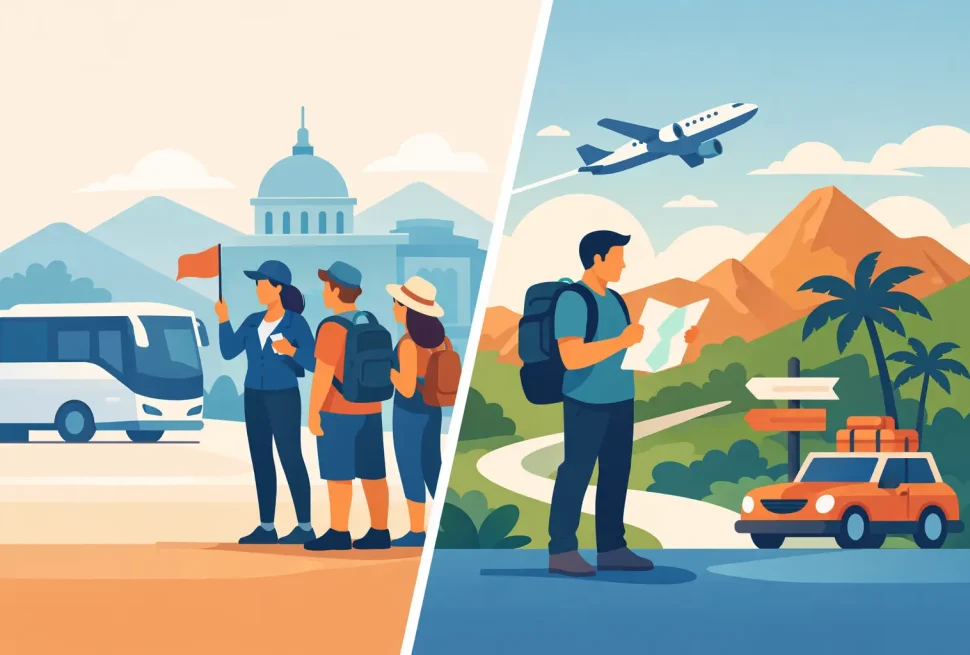
Group travel varies widely. A large coach itinerary may cover many sights efficiently, but it can feel impersonal and leave little room for conversation or flexibility. At the other extreme, fully private travel can offer complete control but may feel isolating and come with a higher price point.
Small-group travel sits in a thoughtful middle ground. With a group capped at 10 travelers, there is more opportunity to ask questions, linger when a moment is meaningful, and enjoy meals in intimate local settings. You are more likely to know the people around you by the end of the journey, whether that means finding a companion for an early walk or sharing stories over dinner.
The group dynamic is especially valuable in Nepal because shared experiences often become part of the memory. Watching the Himalayas emerge at dawn, learning the basics of a local cuisine, or walking through a centuries-old city square lands differently when you can exchange impressions with others who are equally engaged.
A smaller group also makes it easier for local guides to adapt their attention. Some guests may be passionate about architecture and history; others may be drawn to food, photography, spiritual traditions, or wildlife. A skilled guide can bring all of those interests into the conversation without reducing the journey to a script.
Choosing the Right Nepal Itinerary
The best Nepal tour for a solo traveler depends on what you hope to feel when you return home. If your priority is cultural depth, look for an itinerary that spends meaningful time in Kathmandu Valley rather than treating it as an arrival point. Kathmandu, Patan, and Bhaktapur each offer distinct character, from sacred sites and royal courtyards to artisan traditions and vibrant street life.
If Himalayan scenery is essential, consider whether you prefer accessible viewpoints and mountain towns or a more active trekking-focused experience. Nepal is not only for serious trekkers. Many travelers can enjoy memorable mountain panoramas without committing to a demanding, high-altitude route. The right choice depends on your fitness, comfort with basic accommodations, tolerance for variable weather, and interest in longer days on foot.
Wildlife can add a completely different dimension. Chitwan’s grasslands and forests offer the possibility of seeing rhinos, deer, crocodiles, and an extraordinary variety of birdlife. Pairing the lowlands with the Kathmandu Valley and the mountains gives a fuller picture of Nepal’s geographic and cultural range.
Before booking, ask how much free time is included, how domestic transportation is handled, what activity level is expected, and whether there are single-room options. A single supplement may apply on many tours, but it can be worthwhile for travelers who value private space at the end of an active day. The important point is clarity before you go, not surprises after arrival.
Confidence Without Losing the Adventure
A guided tour should never make Nepal feel overmanaged. The country’s magic often appears in unscripted moments: a shopkeeper’s smile, a cup of spiced tea, children playing in a square, or a sudden break in the clouds that reveals a distant ridge. Good trip design does not eliminate spontaneity. It creates the structure that lets you notice it.
That structure is particularly useful around cultural etiquette. Modest dress is appropriate at sacred sites, shoes may need to be removed before entering certain spaces, and photography is not welcome everywhere. Your guide can offer practical cues in the moment, helping you move through these experiences respectfully instead of anxiously.
Health and altitude deserve the same thoughtful approach. Travelers should discuss personal medical considerations with a qualified professional and be realistic about the physical demands of any itinerary. On routes that reach higher elevations, a responsible operator builds in proper pacing and prioritizes safety over a rigid schedule. No mountain view is worth ignoring how your body feels.
For solo guests, dependable communication matters too. Knowing who is meeting you on arrival, where you are staying, and how support works throughout the journey brings reassurance before departure. U.S.-registered companies such as Atlas Global Tours pair that clear pre-trip communication with knowledgeable local leadership, so travelers can feel prepared without losing the anticipation that makes a new destination special.
Come Solo, Leave With a Deeper Connection
Nepal is not a place to rush through with a checklist. It asks you to slow down, look closer, and let the layers of daily life reveal themselves. A well-paced guided journey gives solo travelers the freedom to be present for that process, with local insight and a small group nearby when it matters.
Come with an open mind, comfortable walking shoes, and room in your plans for surprise. The most lasting part of Nepal may not be the famous view you expected, but the quiet sense of connection you carry home.