
The difference often becomes clear at a small table, not a famous monument. Your guide knows the family serving lunch, can explain the story behind a regional dish, and has time to answer the question that turns a beautiful place into a personal memory. That is the promise of micro group tours: travel that feels considered, connected, and comfortably paced rather than processed.
For travelers who want more than a checklist of landmarks, group size shapes nearly every part of the journey. It affects where you stay, how you move through a destination, the conversations you have with local people, and how much attention your guide can give to the details that matter to you.
What Are Micro Group Tours?
A micro group tour is a guided journey designed for a very limited number of travelers, typically no more than 10 people. It keeps the reassurance of an organized itinerary – thoughtfully selected hotels, transportation, admissions, local expertise, and a clear plan – while creating a far more personal experience than a conventional coach tour.
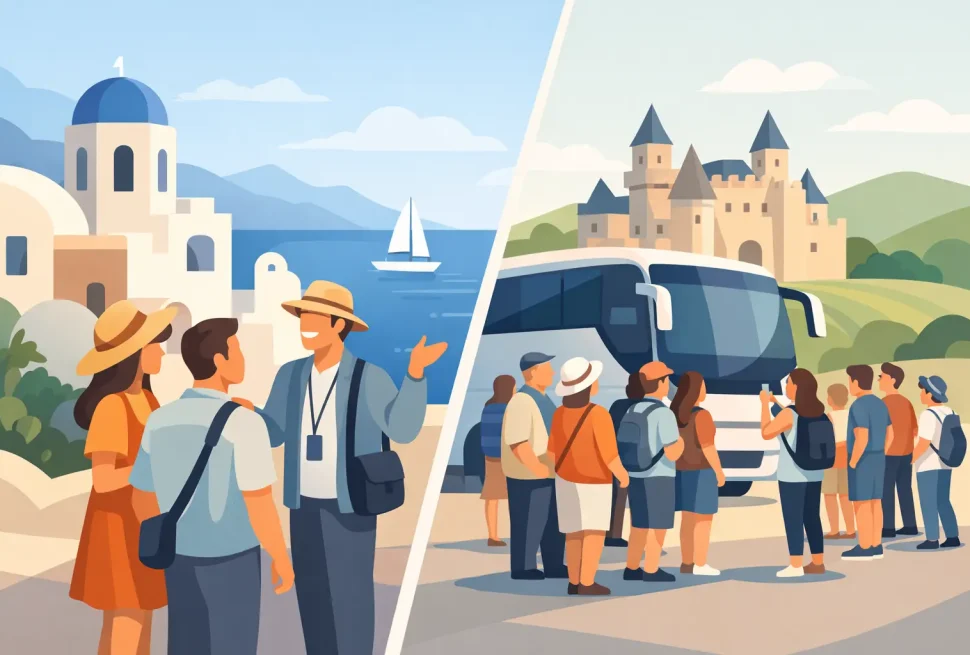
This is not simply a smaller bus. With fewer people, travel becomes more flexible and human. You may enter a neighborhood café that cannot accommodate a large group, linger at a craft workshop after a compelling conversation, or adjust the pace when a historic site deserves more time. The itinerary still has structure, but it has room to breathe.
At Atlas Global Tours, groups are capped at 10 travelers because cultural immersion works best when there is space to notice, ask, and participate. A knowledgeable local guide is not there merely to point out monuments. They help place what you see in context, connecting ancient history, daily life, food, customs, and modern realities.
Why a Smaller Group Changes the Experience
The most obvious benefit is personal attention. In a group of 30 or 40, a guide must manage logistics at scale. There is little time to learn individual interests, answer follow-up questions, or support someone who needs a slower walk, a restaurant recommendation, or help navigating a new cultural setting.
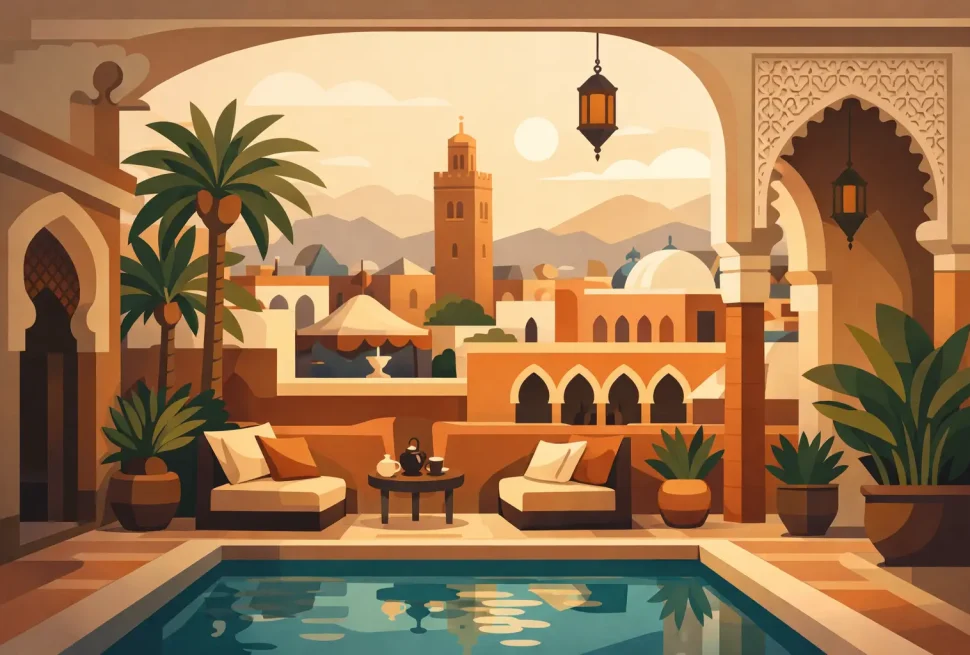
In a micro group, guides can get to know the people traveling with them. A history enthusiast may receive extra context at Petra or Ephesus. A food-minded traveler may find themselves discussing spices with a market vendor in Morocco or learning why a particular Japanese dish is served in a specific season. These moments cannot be manufactured, but a smaller format makes room for them.
It also changes the rhythm of the day. Large groups need longer meal stops, more headcounts, more loading time, and more rigid schedules. Smaller groups can move with greater ease through medinas, temple grounds, mountain villages, and old city streets. That efficiency does not mean rushing. It means spending less of the day waiting for logistics and more of it experiencing the destination.
Better Access to Local Places
Many of the most memorable experiences happen in places that are not built for crowds. A family-run restaurant with eight tables, a private home meal, a village workshop, or a small local winery can welcome a micro group naturally. A large tour group may need a separate venue, a fixed menu, and a more staged experience.
This matters especially in destinations where culture is felt through everyday interactions. In Armenia, that might mean sharing a meal around a local table. In India, it could mean hearing a guide explain the living traditions behind a temple visit. In Jordan or Oman, the landscape becomes richer when there is time to understand the communities and customs that have shaped it.
Small groups do not guarantee that every encounter will be spontaneous or private. Popular sites are still popular, and some timed entries or local regulations apply to every traveler. But they do make it easier to choose experiences with genuine character rather than defaulting to options designed for the largest possible crowd.
More Meaningful Conversations
Travelers often remember the conversations as vividly as the landmarks. With a smaller group, questions do not get lost. You can ask your guide about local etiquette, contemporary politics, religious traditions, architecture, or the changing role of tourism without holding up an entire coach full of people.
The relationships within the group can feel more natural, too. You are not expected to socialize constantly, but there is a good chance you will share meals, observations, and a few unexpected laughs with fellow travelers who chose the same kind of journey. For solo travelers, that can offer welcome companionship without the pressure of traveling with a large crowd. For couples and friends, it creates a social atmosphere while preserving the intimacy of the trip.
The Comfort of Having the Details Handled
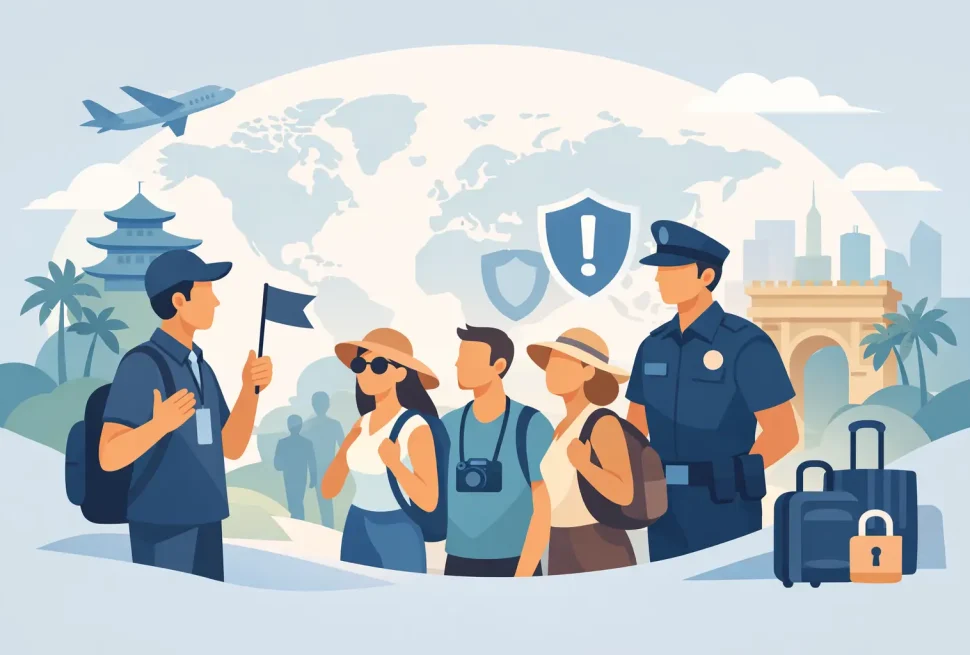
Independent travel can be deeply rewarding, but it also asks you to manage every decision: routes, reservations, language barriers, local transportation, changing schedules, and the uncertainty of arriving somewhere unfamiliar. A micro group tour offers a different kind of freedom – the freedom to be present because the major details have already been thoughtfully organized.
That reassurance is particularly valuable on multi-country routes or in destinations where logistics are more complex. Crossing borders, arranging internal flights, selecting reliable drivers, understanding local entry procedures, and choosing well-located accommodations all require experience. With a professionally planned tour, those moving pieces are handled with care while travelers retain the pleasure of discovery.
The quality of the planning matters as much as the group size. A small group on a rushed, generic itinerary will still feel rushed and generic. Look for journeys that balance iconic highlights with time in lesser-known places, avoid needless one-night stops, and explain what is included clearly. The strongest itineraries have a point of view: they know what is worth seeing, why it matters, and when to slow down.
Are Micro Group Tours Right for You?
They are an excellent fit for travelers who value cultural depth but do not want to navigate an unfamiliar destination alone. They suit people who enjoy having a plan, appreciate expert local guidance, and prefer a group small enough to feel personal.
They may be less ideal if your priority is complete independence every day. A guided itinerary includes shared timing, planned activities, and the need to consider fellow travelers. Even in a group of 10, flexibility has limits. If you want to decide each morning where to go and how long to stay, self-guided travel may be the better choice.
Budget is another consideration. Smaller groups generally cost more to operate per traveler than large coach tours. There are fewer people sharing the cost of guides, vehicles, and special experiences. Yet the value can be substantial when the price reflects carefully chosen accommodations, strong local partners, well-organized transportation, and a guide who can provide real context instead of a rehearsed script.
Before booking, consider the tour’s actual maximum group size, not just whether it is labeled “small group.” Ask how much free time is built in, whether local guides lead key experiences, what level of activity is expected, and how the company supports travelers before and during the trip. Clear answers are a sign of thoughtful operations.
Choosing a Journey That Feels Personal
The best micro group tours do not try to fit everything into one trip. They make intentional choices. They pair major landmarks with quieter moments, such as an early walk through an old city, a regional meal, a conversation with an artisan, or a scenic drive where the guide can explain what lies beyond the window.
Consider the kind of connection you want most. If ancient civilizations fascinate you, a well-paced journey through Egypt, Jordan, or Tunisia can bring history into focus through expert interpretation and time at the sites that matter. If you are drawn to food, ritual, and daily life, destinations such as Japan, Morocco, India, or Türkiye offer layers that reward close attention. If mountain landscapes and living traditions call to you, Nepal, Armenia, and the Balkans can offer a particularly powerful sense of place.
A smaller group will not make a destination less complex or remove every surprise from the road. What it can do is give you a calmer, more informed way to meet that complexity. You return not just with photographs of places you saw, but with stories you understand well enough to carry forward – and perhaps share over your own table when you are home.