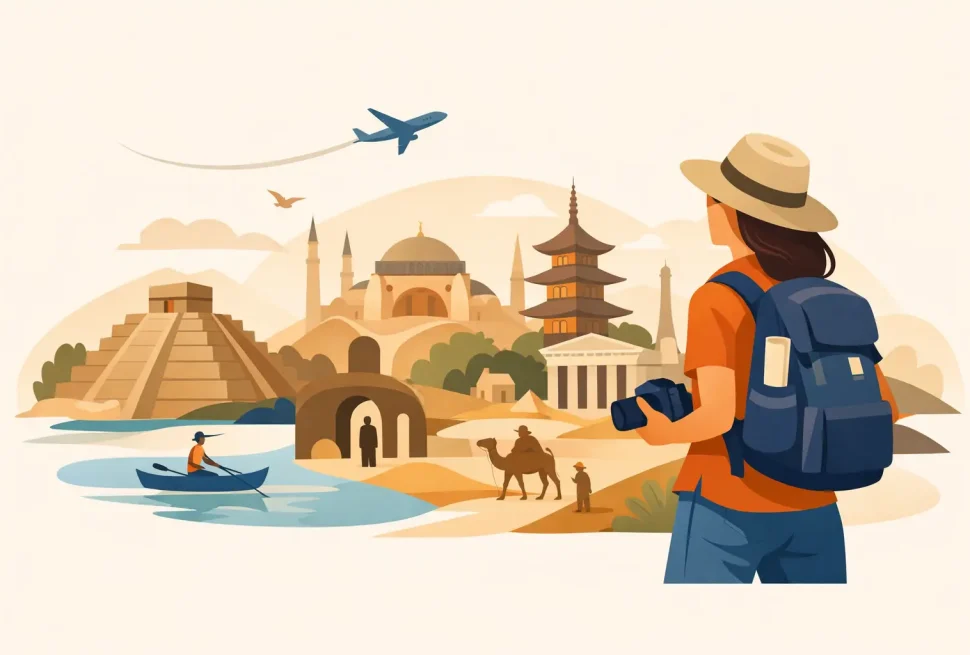
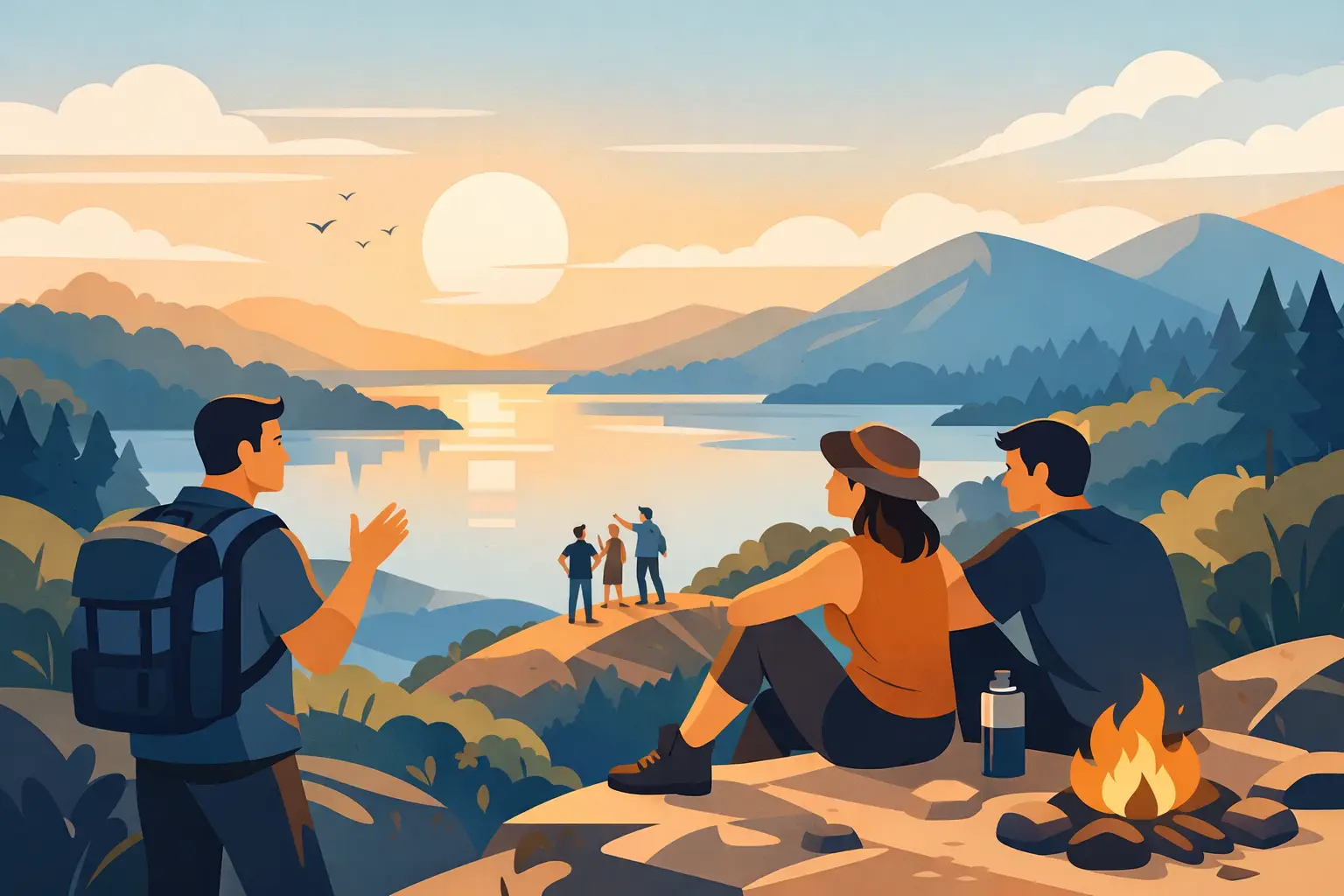
A sunrise over Petra is unforgettable on its own. But standing there with nine fellow travelers instead of fifty, with time to listen to a local guide explain the Nabataean story and room to take it in quietly, feels different. That is the promise of small group trips: travel that is organized enough to inspire confidence and personal enough to leave room for genuine discovery.
For travelers who want more than a rushed photo stop or a generic coach itinerary, the group size matters. It shapes how you move through a destination, who you meet, how flexible the day can be, and whether the experience feels like a journey or simply a schedule.
What makes small group trips different?
Small group travel is not just a large tour with fewer seats. When a group is capped at 10 travelers, the entire trip can be designed differently. Transportation can reach places large buses cannot. Meals can take place at a family-run restaurant rather than a venue built for tour crowds. Questions can turn into conversations, and a guide can respond to the interests and pace of the people in front of them.
That intimacy is especially valuable in destinations layered with history, customs, and daily traditions. In Morocco, it might mean following a local guide through the medina with enough space to notice the work of artisans and the scent of fresh bread from a neighborhood bakery. In Japan, it may mean learning the etiquette of a temple visit without feeling hurried through the gates. In Egypt or Jordan, it creates time to understand the stories behind the monuments rather than checking them off from a distance.
A smaller group also changes the social side of travel. You may arrive as solo travelers, couples, friends, or family members, but shared experiences tend to create an easy sense of camaraderie. There is usually enough company for a lively dinner and enough breathing room for an independent walk, a quiet coffee, or a moment to absorb what you have seen.
More cultural connection, less tourist choreography
The best travel memories often happen just beyond the headline attraction. They might be a conversation with a local chef, tea shared in a mountain village, or an evening stroll through a neighborhood after the day visitors have left. These experiences are harder to arrange when a group is too large to move naturally through local life.
Small group trips make cultural immersion more practical. Local guides can introduce travelers to the context behind what they see: why a market operates the way it does, how faith shapes an ancient city, which regional dishes matter to a family table, or how a country’s history is still felt today. Their perspective helps turn a beautiful place into a more intelligible one.
This does not mean every moment must be unscripted. Thoughtful planning is what makes spontaneous-feeling experiences possible without leaving travelers to navigate unfamiliar logistics alone. A well-built itinerary balances major landmarks with local texture, guided insight with personal time, and a clear plan with flexibility where it counts.
The guide becomes a cultural ambassador
On a mass-market tour, a guide may be focused on keeping a large group moving. With a smaller group, there is more opportunity for real exchange. Travelers can ask follow-up questions, share specific interests, and receive recommendations that go beyond the standard script.
A knowledgeable local guide also provides valuable reassurance. They understand practical details that can be difficult to predict from afar, from local customs and timing to the best way to approach a busy historic site. This is particularly meaningful in destinations where language, transportation, or cultural norms may feel unfamiliar to first-time visitors.
The comfort of having the details handled
Independent travel has its rewards, but it also asks travelers to spend considerable time researching routes, comparing hotels, arranging transfers, interpreting local policies, and managing changes on the ground. A guided small-group journey removes much of that pressure while preserving the feeling of discovery.
The strongest itineraries handle the essential details in advance: accommodations, transportation, key sightseeing, local expertise, and well-paced routing. Instead of worrying about whether a connection will work or whether a hotel is in the right area, travelers can focus on the place itself.
That support matters before departure, too. Clear communication, realistic expectations, and responsive assistance help travelers prepare with confidence. For Americans traveling internationally, the reassurance of a U.S.-registered company with thoughtful planning and direct support can make a meaningful difference, especially when visiting a destination for the first time.
Of course, comfort does not require isolating yourself from a destination. The goal is not to create a bubble around the traveler. It is to provide a dependable framework so you can engage more fully, knowing that the major logistics are being managed with care.
A better pace for seeing more deeply
There is a difference between seeing a country and collecting proof that you were there. An itinerary packed with one-night stays, long drives, and nonstop sightseeing can cover a great deal of ground, but it may leave little room for reflection.
Small group trips are often better suited to a more intentional rhythm. That could mean spending an extra morning in a historic city, enjoying an unhurried lunch, or allowing time to browse a local market rather than rushing back to a bus. It means recognizing that travelers need time not only to visit a place, but to feel present in it.
The right pace depends on the destination. A journey through the Balkans may naturally involve several border crossings and varied landscapes. A trip through Oman may include long stretches of desert road. In those cases, travel time is part of the experience when it is planned thoughtfully, with worthwhile stops and comfortable arrangements.
The trade-off is that a smaller, more immersive itinerary may include fewer destinations than an ambitious highlights tour. For many travelers, that is a benefit rather than a limitation. A deeper connection with four places can be more rewarding than a hurried introduction to eight.
Who gets the most from this style of travel?
Small-group travel works particularly well for culturally curious travelers who value both independence and support. Solo travelers appreciate built-in companionship without the pressure of traveling alone. Couples can share a meaningful journey while enjoying a group dynamic that is personal rather than crowded. Friends and families can travel together without taking on the full burden of planning.
It is also a strong fit for travelers who want to visit complex or unfamiliar destinations with confidence. Places such as India, Nepal, Tunisia, Armenia, or Jordan reward curiosity, but can involve logistical details that are easier to navigate with experienced local support.
That said, this format is not for everyone. Travelers who prefer to make every decision at the last minute, stay in one place for weeks, or pursue a highly independent itinerary may be happier traveling entirely on their own. Small group tours work best for people who appreciate a carefully considered route and the freedom that comes from not having to organize every moving part themselves.
How to choose a small group tour with confidence
A stated group size is a good starting point, but it should not be the only factor. Look at how the company defines the experience. Is the itinerary built around meaningful time in each destination, or does it simply combine as many stops as possible? Are local guides central to the journey? Is there a clear explanation of accommodations, transportation, inclusions, and traveler support?
Also consider the balance of the schedule. A quality tour should include the landmarks that brought you to a country while making room for the smaller experiences that make it memorable. The itinerary should feel purposeful, not overfilled.
At Atlas Global Tours, groups are capped at 10 travelers because personal attention and cultural connection are not extras. They are central to how a journey feels. From iconic sites to less-expected local encounters, the aim is to create trips that are well organized, deeply rooted in place, and comfortable enough for travelers to stay open to the unexpected.
The most rewarding journeys rarely come from trying to fit everything in. They come from standing in a place with enough time, context, and calm to understand why it matters – then carrying that feeling home with you.