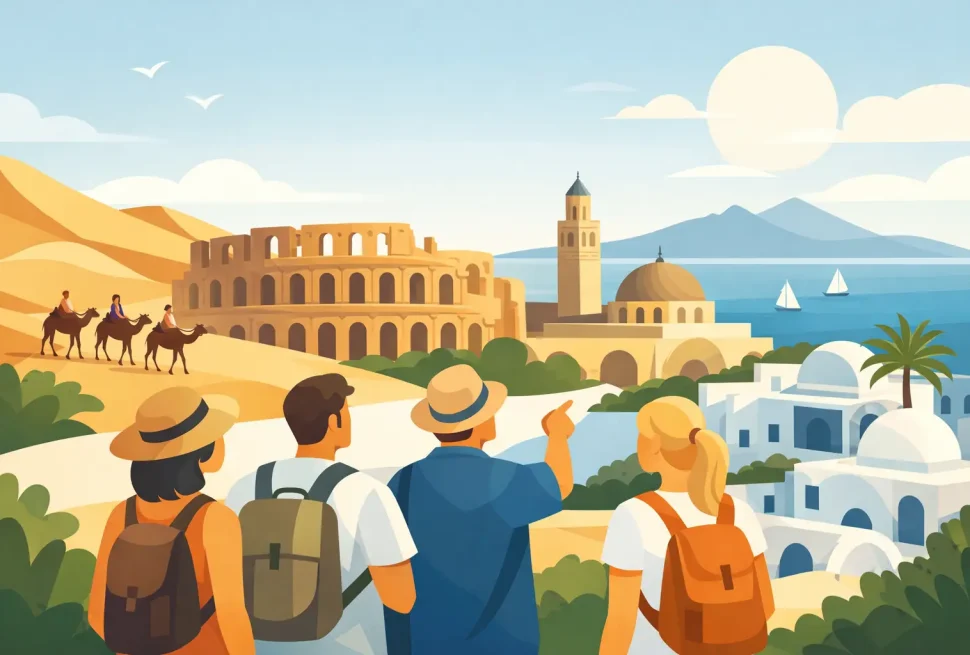
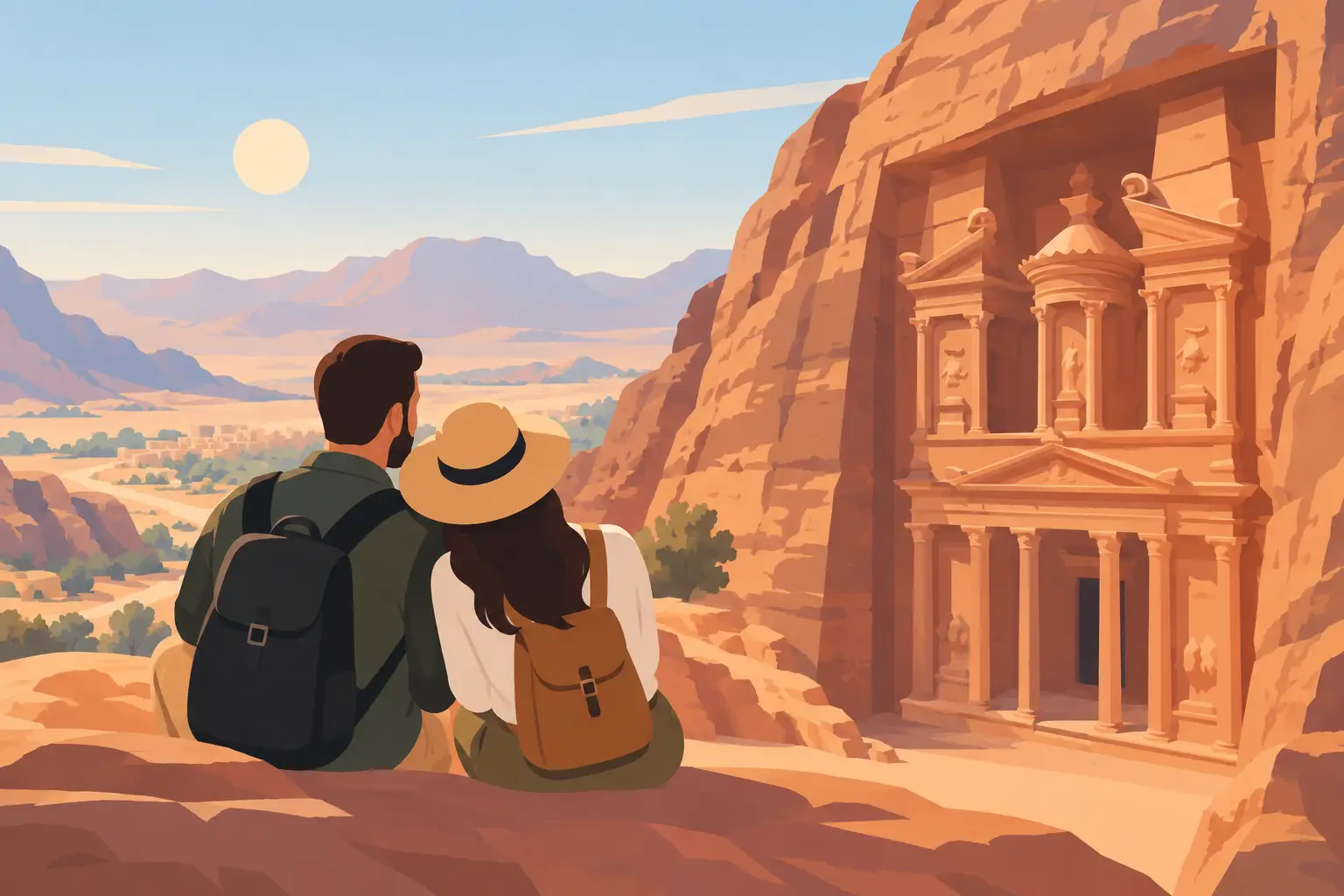
Petra at first light, dinner beneath the stars in Wadi Rum, a slow float in the Dead Sea – Jordan is made for shared moments. But is Jordan safe for couples who want the freedom to enjoy those experiences without feeling exposed or uncertain? For most visitors, the answer is yes: with informed planning, cultural awareness, and a well-designed route, Jordan is widely regarded as one of the Middle East’s more welcoming and manageable destinations for couples.
Jordan offers a rare combination of ancient landscapes, warm hospitality, and a tourism infrastructure that makes travel feel achievable rather than complicated. That does not mean every setting follows the same social expectations as the United States. Couples who travel with respect, choose reliable transportation and accommodations, and stay alert to regional developments can focus on what they came for: meaningful time together in a remarkable country.
Is Jordan Safe for Couples? The Practical Answer
Jordan’s major visitor destinations – including Amman, Petra, Wadi Rum, Aqaba, Madaba, and the Dead Sea – receive international travelers throughout the year. Tourism is an important part of the country’s economy, and visitors are generally met with genuine courtesy. Violent crime against tourists is uncommon, while the more realistic concerns are the ones familiar in many popular destinations: petty theft, overpriced services, traffic, and the occasional overly persistent salesperson.
For couples, safety is less about avoiding Jordan and more about traveling thoughtfully within it. Stay in established hotels or camps with strong guest feedback, keep valuables secure, use arranged transfers or reputable taxis, and avoid isolated areas after dark. In busy markets and crowded sites, carry only what you need and keep phones, wallets, and passports protected.
A calm, confident approach goes a long way. Jordanians are often helpful when visitors need directions or assistance, especially in places accustomed to tourism. At the same time, travelers should use the same good judgment they would in any unfamiliar city: do not accept unofficial rides, do not leave drinks unattended, and do not assume an unfamiliar neighborhood is best explored late at night.
Jordan’s Culture and Public Affection
The cultural question is often more relevant than the security question. Jordan is a socially conservative country, though its larger cities and tourism hubs are more cosmopolitan than many first-time visitors expect. Couples do not need to behave as if they are doing something wrong, but understated affection is the most comfortable and respectful choice.
Holding hands is generally fine in tourist areas and urban neighborhoods. A brief hug or an arm around a partner is unlikely to cause concern. Prolonged kissing or overt physical affection in public can draw unwanted attention, particularly in smaller towns, religious sites, or more traditional communities. This is a matter of local etiquette, not a reason to avoid connection or joy while traveling.
Dress follows a similar principle. There is no single required outfit for visitors, and resorts in Aqaba and at the Dead Sea are notably relaxed. Elsewhere, clothing that covers shoulders, chest, and knees will help both partners feel more at ease and will signal respect in mosques, villages, and city streets. Lightweight layers work well for Jordan’s changing temperatures and make it easy to adapt throughout the day.
Unmarried heterosexual couples can usually stay together in tourist-oriented hotels and camps without difficulty. Still, policies can vary, especially at smaller locally run properties, so it is wise to confirm arrangements before arrival. Same-sex couples should plan with added discretion. While many travelers visit Jordan without incident, public attitudes can be conservative, and LGBTQ+ travelers may prefer to keep displays of affection private and select established, internationally oriented accommodations.
The Places Couples Usually Feel Most Comfortable
Amman is a natural starting point, with stylish hotels, excellent restaurants, galleries, and lively neighborhoods where visitors can settle into the rhythm of the country. It is a large city, so traffic is often more frustrating than personal safety. Use hotel-arranged transportation when arriving late, and ask local staff which areas are best for an evening walk or dinner.
Petra is organized around a well-established visitor experience. The main route through the Siq to the Treasury is busy during peak hours, and the site rewards an early start, comfortable shoes, water, and a willingness to pace yourselves. Be polite but firm with unsolicited offers for horse rides, guides, or souvenirs. A licensed local guide arranged in advance adds historical context and removes much of the on-the-spot negotiation.
Wadi Rum can be one of the most romantic parts of a Jordan itinerary, but the quality of the camp and operator matters. Choose a camp with clear transfer arrangements, private accommodations if desired, and a trusted local team. The desert is peaceful, not a place for spontaneous independent wandering. A guided jeep excursion and an overnight stay let couples enjoy the silence, stars, and wide-open scenery with the right support in place.
At the Dead Sea and in Aqaba, couples often find the most relaxed resort atmosphere. These areas are ideal for slowing down after more active touring, though sun exposure, dehydration, and slippery surfaces are practical concerns. Drink water consistently, wear water shoes where helpful, and follow local guidance before entering the Dead Sea with fresh cuts or after shaving.
Transportation Is Where Planning Pays Off
Jordan is compact enough for a multi-day journey, but driving conditions can be more demanding than distances suggest. Traffic in Amman is busy, road markings may be inconsistent, and driving after dark is not ideal for visitors unfamiliar with the terrain. Renting a car can suit confident international drivers, yet it also places navigation, parking, roadside decisions, and route changes squarely on your shoulders.
For many couples, a private driver or small-group itinerary is the more comfortable choice. It creates room to enjoy the changing scenery between Amman, Petra, Wadi Rum, and the Dead Sea rather than managing logistics from the passenger seat. It also helps avoid common friction points, such as negotiating taxi fares or figuring out where to stop for lunch, restrooms, and fuel.
This is where a thoughtfully led journey can make a meaningful difference. With a small group, couples retain the pleasure of shared discovery while benefiting from reliable transfers, vetted accommodations, and a local guide who can explain customs as they arise. Atlas Global Tours designs its Jordan experiences around that balance: cultural immersion, intimate group size, and the reassurance of having knowledgeable support on the ground.
Stay Aware of Regional Conditions
Jordan’s location means travelers should pay attention to current events, even when their itinerary is focused on established tourism areas. Conditions in the wider region can change quickly, affecting border areas, air routes, and government travel guidance. Before departure, review the latest official U.S. travel information, enroll in traveler updates if appropriate, and make sure your travel insurance covers medical care, interruptions, and changes to transportation.
A well-planned Jordan itinerary generally avoids sensitive border zones and does not rely on last-minute route decisions. Ask your tour operator or hotel for current local advice, especially if you are considering independent excursions beyond the main visitor circuit. Respect security checkpoints, carry identification as requested, and give yourselves extra time on transfer days.
It is also sensible to build flexibility into your expectations. The reward of traveling in a place with such deep history is not rushing from landmark to landmark. Leave time for a tea break in Amman, a conversation with a Bedouin host in Wadi Rum, or an unhurried meal after a day at Petra. A little breathing room makes travel safer, more enjoyable, and far more memorable.
Small Habits That Build Confidence
Couples often feel safest when they agree on a few practical routines before the trip. Keep a copy of passports and insurance details separate from the originals, share daily plans with one another, and carry a charged phone and portable battery on long sightseeing days. Download offline maps, but do not depend on them as your only source of local advice.
Use hotel safes when available, and avoid displaying expensive jewelry or large amounts of cash. For purchases in markets, negotiate warmly and without pressure. If a conversation or sales pitch becomes uncomfortable, a simple, polite no is enough. There is no need to argue or explain.
Most importantly, let cultural curiosity guide the trip. Learn a few Arabic greetings, accept tea when time allows, and ask before photographing people. These small gestures create better interactions than any checklist can provide, and they turn Jordan from a series of famous sights into a place that feels genuinely welcoming.
Jordan rewards couples who arrive prepared but open-minded. Choose a route with dependable support, keep public affection understated, and leave space for the encounters that cannot be scheduled – the desert quiet, the generosity of a shared meal, and the feeling of standing together in a landscape shaped by millennia.