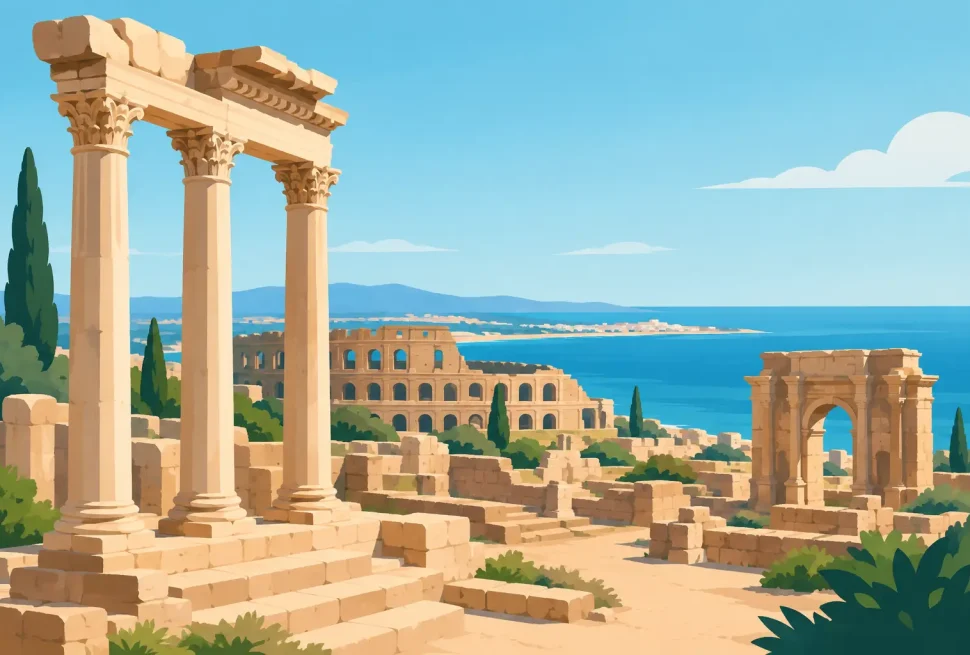

A sunrise over Petra, tea with a family in Morocco, or a quiet temple visit in Japan can become the moment you remember most. But before any of that, there is a practical choice to make: packaged tours versus self booking. One puts the planning, logistics, and local expertise in experienced hands. The other gives you full control of every reservation and route.
Neither approach is automatically better. The right choice depends on how you like to travel, how much time you can devote to preparation, and whether you see trip planning as part of the adventure or an obstacle standing between you and it.
What packaged tours really provide
A thoughtfully designed tour is much more than a collection of hotels, transfers, and sightseeing tickets. It is an itinerary built around how a destination actually works: when a landmark is at its best, how long a border crossing may take, which neighborhood is worth an unhurried evening, and where a local guide can add context that no guidebook can replace.
This matters most in destinations where language, transportation, entry requirements, or local customs can make independent travel feel more complicated. In Egypt, Jordan, India, Nepal, Oman, or Morocco, a well-run small-group journey can remove the friction of moving between places while leaving room for genuine discovery. You spend less time negotiating taxi fares, verifying train schedules, or wondering whether an attraction is closed for a local holiday. You spend more time being present.
The quality of the operator makes a major difference. Large coach tours can feel hurried and impersonal, with fixed stops designed for volume rather than connection. A small-group tour, by contrast, can offer a more considered rhythm. With no more than 10 travelers, there is space for questions, flexibility around small moments, and meaningful interaction with local hosts and guides.
Local expertise changes the experience
Independent travelers can certainly find excellent restaurants, neighborhoods, and historical sites. Yet a knowledgeable local guide often helps turn a place from impressive into understandable. They can explain why a ritual matters, point out the detail most visitors walk past, and share the lived context behind a monument, market, or meal.
That insight is especially valuable when visiting places with deep and layered histories. Seeing the Pyramids is extraordinary. Understanding their place in ancient Egyptian life, modern Cairo, and the wider cultural landscape gives the visit more weight. The same is true of Ottoman-era cities in Turkiye, mountain communities in Armenia, or the medinas of North Africa.
A curated journey should also balance the famous places with experiences that feel more personal: regional dishes shared at a local table, craftspeople at work, lesser-known archaeological sites, or time in a village beyond the usual tourist route. Those moments take research, relationships, and careful coordination.
The case for self booking
Self booking is appealing for good reasons. It gives you the freedom to linger in one city for a week, choose a boutique hotel on a whim, change your route after a recommendation from another traveler, or build an entire trip around a niche interest. If you are returning to a familiar country, speak the local language, or enjoy researching transport and accommodations, planning independently can be deeply satisfying.
It can also be a smart choice for simple itineraries. A long weekend in London, a beach stay in Greece, or a return visit to Paris may not require extensive support. Direct flights, easy public transportation, and abundant hotel options make these trips relatively straightforward to arrange.
The challenge comes when a journey involves multiple regions, internal flights, remote areas, private drivers, timed entries, or several moving parts that must work together. What appears cheaper at first can become less attractive once you add every transfer, guide, luggage fee, entrance ticket, reservation, and contingency. More importantly, the cost is not only financial. It is also measured in research hours and the responsibility of handling disruptions far from home.
Flexibility has two meanings
Self booking offers freedom before and during a trip. You decide exactly where to go and when to go there. But it can be surprisingly rigid once reservations are paid for. A missed flight, weather delay, rail strike, or hotel issue may leave you responsible for rebuilding the itinerary one piece at a time.
A good packaged tour has less freedom in its overall route, but more support when conditions change. The itinerary has already been tested, suppliers are coordinated, and local teams can respond quickly if a plan needs adjustment. That is a different kind of flexibility: the confidence that someone who knows the destination is managing the unexpected.
Packaged tours versus self booking: compare the real costs
The fairest comparison is not a single headline price. Compare the full experience you are receiving. With self booking, start by totaling accommodations, transportation, airport transfers, guides, attraction fees, meals included on a tour, travel insurance, and the practical value of your own planning time. Then consider whether you are comfortable arranging each component in a country you have never visited.
With a packaged tour, ask clear questions about what is included and what is not. Are hotels centrally located and carefully selected? Are arrival and departure logistics supported? Are key entrance fees, domestic transportation, guides, and planned cultural experiences part of the price? Is there a clear single supplement for solo travelers? Transparent answers are a sign of an operator that respects your planning process.
A package is not always the least expensive way to travel, nor should it be. The value often lies in the quality of decisions made before you arrive: the pace of the route, reliable local partners, well-chosen accommodations, and access to experiences that would be difficult to arrange alone. For travelers with limited vacation time, avoiding one poorly planned transit day can be worth far more than a modest difference in price.
Who benefits most from each option?
Choose self booking if you enjoy the research as much as the journey, feel confident navigating unfamiliar systems, and want complete control over every hotel, meal, and daily plan. It can work beautifully for travelers who prefer slow travel, spontaneous detours, or highly specialized interests.
Choose a curated small-group tour if you want cultural depth without carrying the full logistical load. It is particularly well suited to solo travelers who want companionship without a large crowd, couples who would rather share the experience than manage every detail, and first-time visitors to more complex destinations.
It can also be the stronger choice for experienced travelers. Familiarity with international travel does not mean every destination is best tackled alone. Many seasoned travelers choose guided journeys precisely because they want to go beyond what they could easily arrange from home.
How to choose a tour that still feels personal
If you decide on a package, look beyond glossy photos and a list of famous sites. Ask about group size, guide credentials, free time, hotel standards, transportation, and the operator’s approach to local partnerships. An itinerary should have structure, but it should not feel like a race from one photo stop to the next.
Look for a company that treats local guides as cultural ambassadors and communicates clearly before departure. U.S.-based support, transparent inclusions, realistic pacing, and responsive answers to questions all contribute to peace of mind. At Atlas Global Tours, small groups are intentionally capped at 10 travelers so the experience remains attentive, comfortable, and connected to the places you visit.
The best travel choice is the one that lets you be fully present when the meaningful moments arrive. If organizing every detail energizes you, self booking may be part of the joy. If you would rather arrive prepared, welcomed, and ready to understand the destination beyond its highlights, a carefully crafted tour can give your journey both structure and soul.