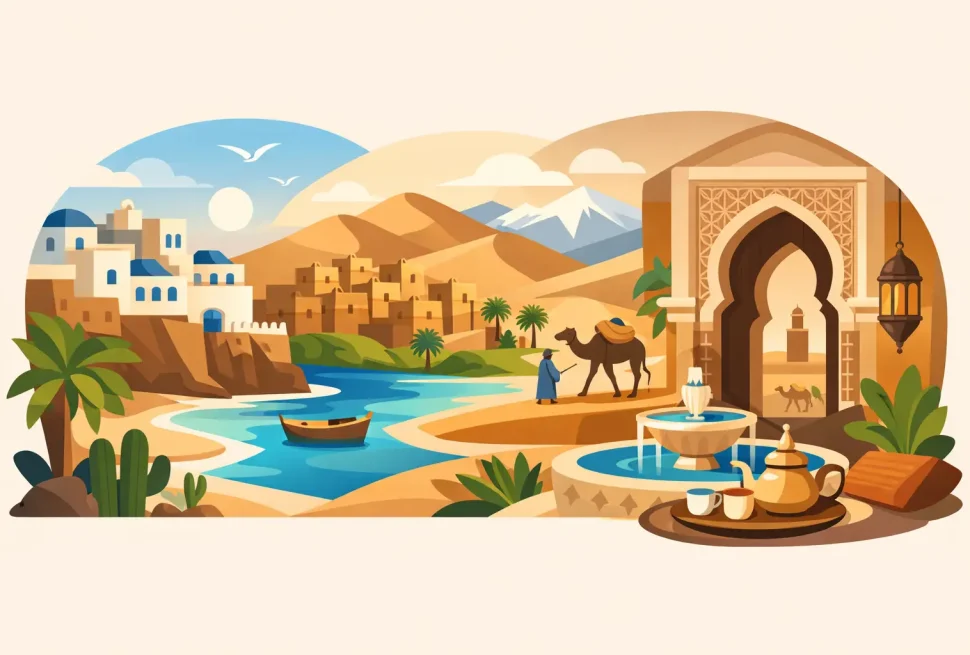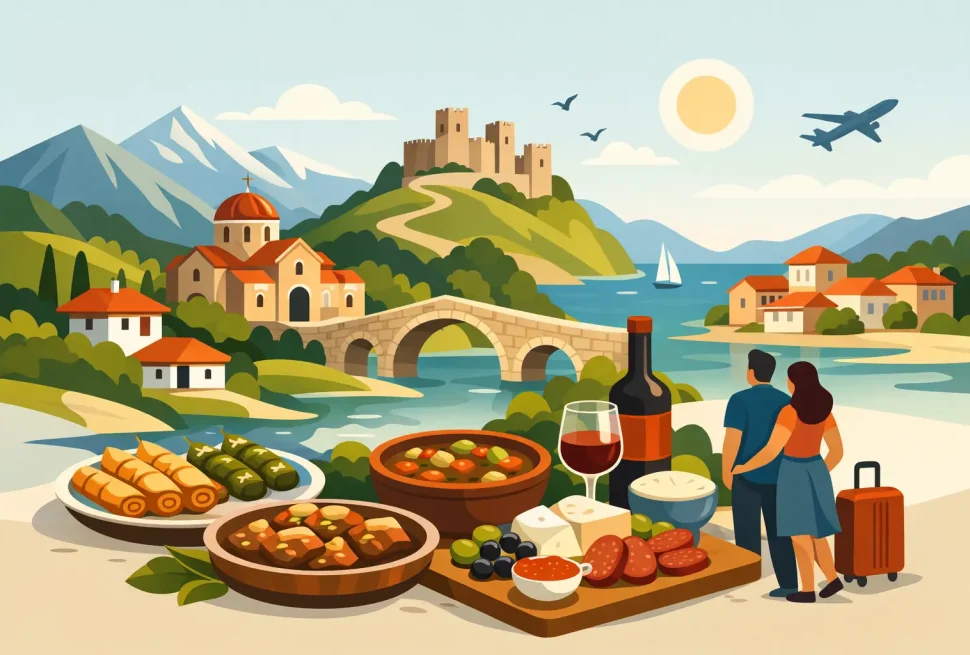
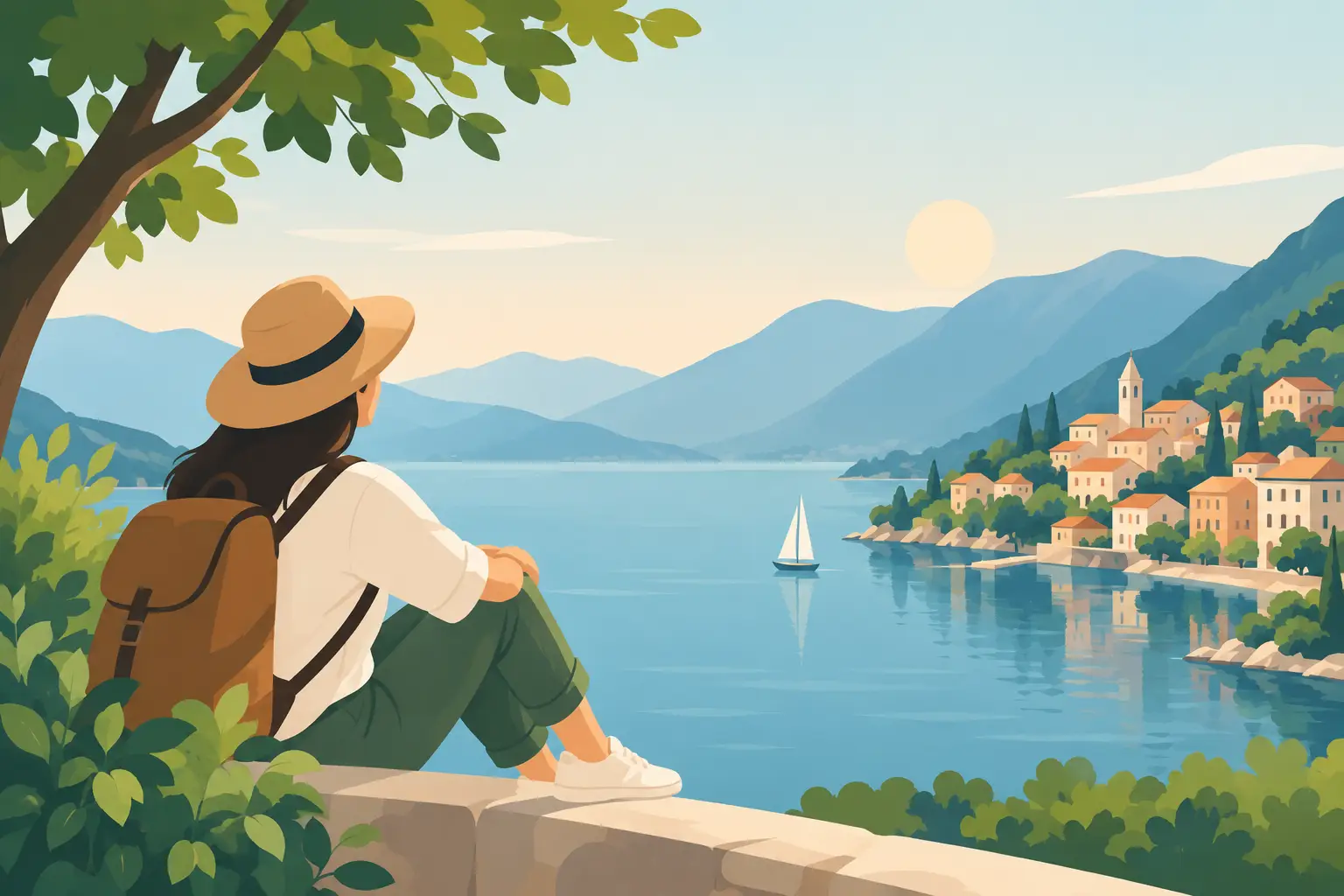
A traveler can stand in front of the Pyramids, Petra, or Kyoto’s temples and still feel rushed. The difference is not simply how many days a trip lasts. The most compelling slow travel trends are changing how discerning travelers use their time: fewer hotel changes, more meaningful encounters, room for local rhythms, and itineraries that make culture feel lived rather than observed.
For travelers who want more than a collection of photos, this shift is welcome. Slow travel does not require giving up comfort, expert planning, or extraordinary landmarks. It asks for something more valuable: the time and intention to understand why a place matters.
What Slow Travel Really Means
Slow travel is often mistaken for spending a month in one village or traveling without a plan. Either can be wonderful, but neither is required. At its best, slow travel is a thoughtful approach to pace. It favors depth over constant movement and leaves space for the moments that rarely fit neatly into a sightseeing checklist.
That may mean lingering over a home-cooked meal in Morocco instead of rushing to the next stop. It may mean returning to the same neighborhood in Istanbul after dark, when shopkeepers, families, and evening conversations bring a different energy to the streets. In Japan, it can mean allowing time for the quiet rituals of a tea house, a garden, or a regional train journey rather than treating each as a quick stop between headline attractions.
The point is not to avoid iconic sites. The point is to experience them in context. A well-designed itinerary can pair the Treasury at Petra with time in a smaller Jordanian community, or combine Egypt’s ancient monuments with a relaxed Nile experience and conversations that reveal the present-day culture around them.
Why Slow Travel Trends Are Gaining Momentum
Many travelers have reached the limit of the packed, destination-hopping vacation. They have learned that checking off five cities in eight days can create impressive recaps but leave little memory of how any one place felt. After years when international travel itself felt less certain, people are also becoming more selective about where they go and why.
There is a practical appeal, too. Fewer transfers can mean less time repacking, waiting in airports, and recovering from long travel days. Staying longer in a region gives travelers a better chance to adjust to time zones, understand local customs, and enjoy a trip without feeling that every hour must be optimized.
Smaller-group travel fits naturally into this movement. A group of 10 people can enter a family-run restaurant, listen to a local artisan, or adapt to an unexpected opportunity much more easily than a large coach group. The experience remains organized and supported, yet it allows for the human moments that make travel personal.
Cultural connection matters more than novelty
The desire for authentic connection is behind many current slow travel trends. Travelers increasingly want to know who prepares the food they eat, how traditions are carried forward, and what daily life looks like beyond the major visitor districts. They value a guide who can explain the history of a sacred site, but also interpret the etiquette, humor, and contemporary realities of the destination.
This is where thoughtful local guidance matters. Authenticity is not achieved by simply arriving somewhere labeled “hidden.” It comes from respectful access, accurate context, and enough time to listen. A local guide can help travelers engage with a destination in ways that are welcoming to hosts and meaningful for guests.
The best itineraries protect unplanned time
Not every memorable travel moment can be scheduled. A free afternoon might lead to a favorite café in Lisbon, an unhurried stroll through an Armenian market, or a conversation with fellow travelers after a day in the Atlas Mountains. Slow travel creates room for these discoveries without abandoning the confidence of a well-organized journey.
That balance is especially useful in destinations where logistics are complex. In India, Nepal, Oman, or North Africa, independent planning can demand substantial research and on-the-ground coordination. A curated tour can handle transportation, accommodations, guides, and key reservations while still giving travelers breathing room to absorb what they are seeing.
How to Build a Slower, Richer Journey
A slower trip starts before departure. Rather than asking, “How many countries can we fit in?” consider the experiences you would regret missing if the pace became too tight. A traveler interested in ancient history may want extra time in Egypt or Tunisia. Someone drawn to food and everyday culture may prefer several nights in one city, with neighborhood walks and regional meals built into the schedule.
Look closely at the number of one-night stays. An occasional overnight is sometimes necessary, particularly on a journey that crosses varied landscapes, but a string of them usually signals an itinerary designed around coverage rather than connection. Two or three nights in a meaningful location can change the entire feel of a trip.
Also consider how travel days are treated. A scenic drive through the Balkans or a rail journey through Japan can be part of the experience when it includes engaging stops and a manageable pace. It becomes draining when it is merely a race to reach the next hotel. The distinction lies in planning, realistic timing, and the freedom to pause when something deserves attention.
Choose depth, but keep your priorities honest
Slow travel involves trade-offs. Spending more time in one region may mean skipping a famous city or landmark elsewhere. For some travelers, that is exactly the point. For others, a first visit to a destination may justify a broader route that includes several major highlights.
There is no virtue in moving slowly if it means missing the experiences that matter most to you. The goal is not to travel at a prescribed speed. It is to avoid an itinerary so crowded that it prevents enjoyment. A strong tour designer helps travelers make those choices thoughtfully, pairing essential sites with local experiences and pacing each day realistically.
Slow Travel Is Also a More Considerate Way to Visit
Travel leaves an impact, and pace influences that impact. Longer stays can direct more spending toward locally owned restaurants, guides, markets, and accommodations rather than concentrating it in transit hubs. It also encourages travelers to behave less like spectators and more like respectful guests.
Consideration does not require perfection. It looks like learning a few appropriate greetings, dressing respectfully at religious sites, asking before taking portraits, and approaching customs with curiosity rather than judgment. These habits deepen the experience for travelers while honoring the communities that make a journey possible.
A smaller, carefully managed group can support this approach. With the right local partners, travelers can visit meaningful places without turning every interaction into a performance. The emphasis stays where it belongs: shared respect, genuine exchange, and a fuller understanding of the destination.
The Value of Guided Slow Travel
Independent travel can certainly be slow. It works especially well for travelers with flexible schedules, strong destination knowledge, and comfort managing changing logistics. Yet for many Americans with limited vacation time, planning every detail can create the opposite of a relaxed experience.
Guided slow travel offers another path. The right small-group journey removes the friction of arranging hotels, transportation, entry times, and trustworthy local expertise, while preserving the pleasure of discovery. Instead of spending an evening troubleshooting the next day’s route, travelers can focus on a meal, a conversation, or the atmosphere of the place they came to experience.
Atlas Global Tours designs small-group journeys around this balance. The aim is not to fill every minute, but to connect landmark experiences with quieter discoveries, knowledgeable local guides, and the reassurance that major details are handled with care.
When comparing guided trips, look beyond the destination list. Ask how often the group changes hotels, whether there is time to explore independently, how many people travel together, and who provides cultural interpretation on the ground. Those details reveal whether an itinerary supports real immersion or simply moves efficiently between attractions.
Let the Destination Set the Pace
The most rewarding trips often have a rhythm you can still feel weeks after you return: the call to prayer drifting across a city at sunset, a long dinner after a day among ancient ruins, the changing landscape outside a train window, or the welcome offered by someone proud to share their home.
Choose a journey with enough structure to feel confident and enough space to be surprised. When a destination is given time to speak for itself, travel becomes less about what you managed to see and more about what you were fortunate enough to understand.