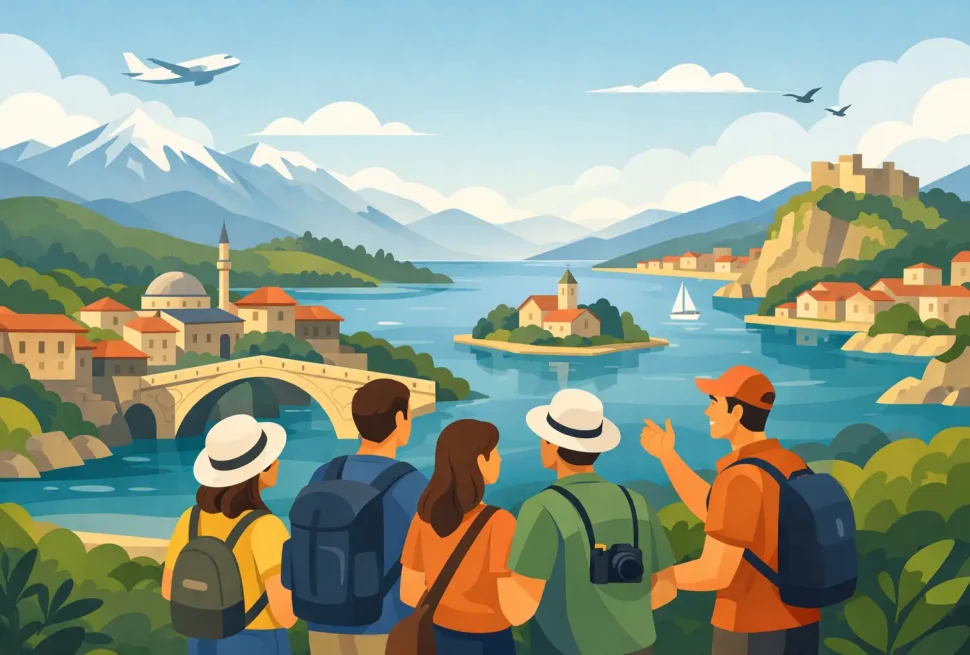
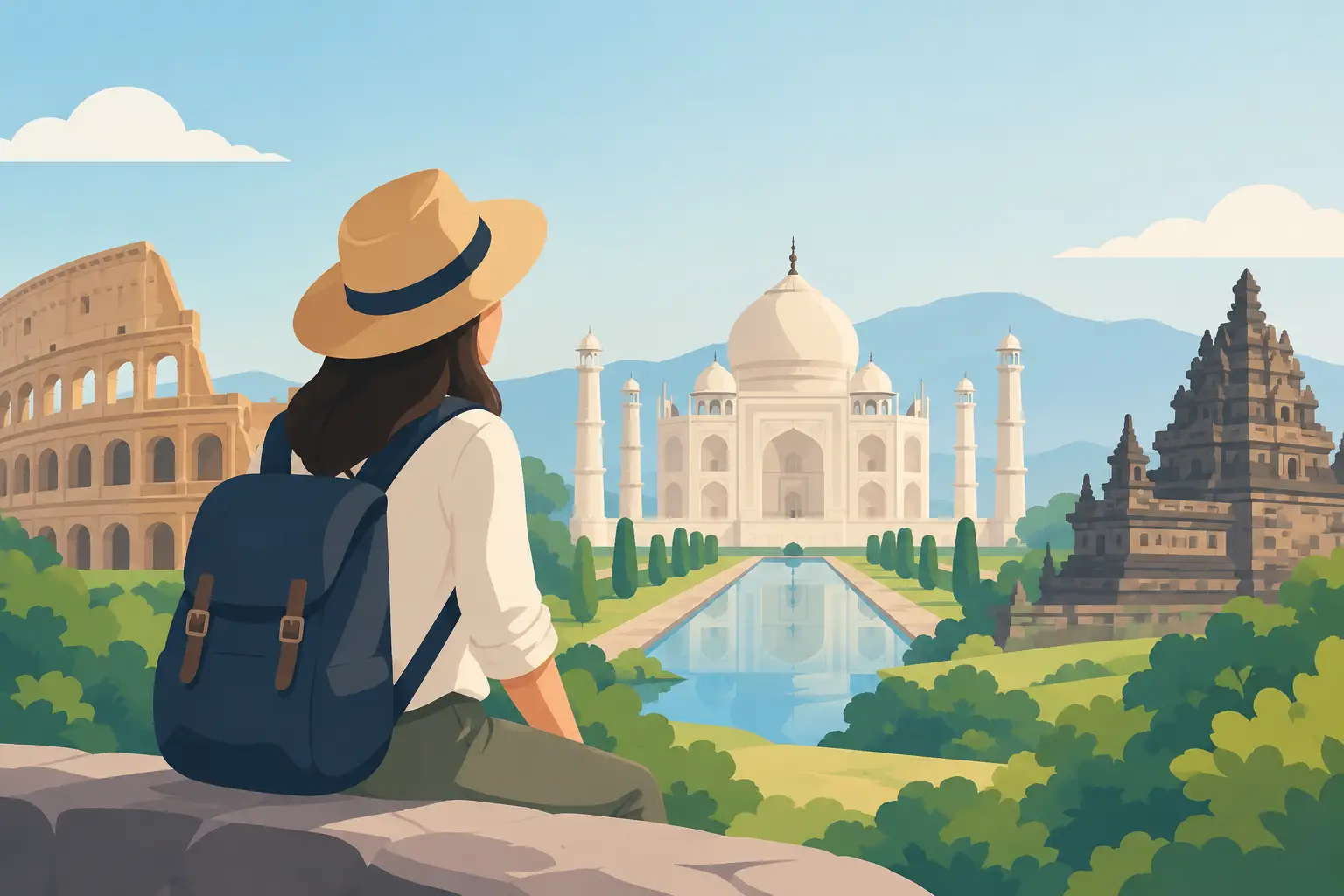
A sunrise over Petra’s rose-colored Treasury, the call to prayer drifting across Istanbul’s historic peninsula, a monk’s footsteps in a quiet Himalayan monastery – these are not moments best experienced at a rush. Learning how to visit UNESCO sites well means looking beyond the photo stop. It means arriving prepared, understanding what you are seeing, and leaving room for the people and traditions that give a place its living meaning.
UNESCO World Heritage sites range from ancient cities and sacred landscapes to architectural masterpieces and natural wonders. Their designation recognizes outstanding universal value, but that does not make them museums frozen in time. Many are active neighborhoods, places of worship, working cultural landscapes, or protected ecosystems. A more rewarding visit begins with that distinction.
How to visit UNESCO sites with intention
Start by asking what you hope to take away from the experience. If your goal is simply to check a famous monument off a list, a quick stop may be enough. But if you are drawn to the story behind the place – the civilizations that shaped it, the beliefs it represents, or the communities that protect it – plan for depth rather than volume.
That might mean choosing one major site per day instead of trying to cover three. At Angkor, for example, the celebrated temples deserve attention, but the experience becomes richer when you also notice the changing light, the carvings that tell Hindu and Buddhist stories, and the modern Cambodian communities nearby. At Egypt’s historic sites, the names of pharaohs and dynasties gain meaning when a knowledgeable local guide connects them to the landscape of the Nile and the rhythms of life today.
A good itinerary creates space for both iconic landmarks and quieter context. The famous view matters. So does the family-run lunch, neighborhood walk, or conversation that helps you understand where you are.
Plan around the site, not just the destination
World Heritage sites are often the centerpiece of a journey, but logistics can shape whether they feel inspiring or exhausting. Before you build the rest of your trip, understand the site’s access rules, opening times, weather patterns, and physical demands.
Reserve timed entry when it is available
Many of the world’s most visited places now use timed tickets, visitor caps, or restricted routes. This is especially common at fragile archaeological sites, major museums, and historic city centers. Reserve early when your travel dates are firm, particularly for high season, holidays, and popular morning or sunset slots.
Timed entry can also help you avoid the busiest periods. The first hour after opening or the final entry window often feels calmer than midmorning, when day tours and cruise excursions may arrive. Still, it depends on the site. In hot destinations such as Jordan, Morocco, Oman, or southern India, an early start may be as much about comfort as crowd management.
Give yourself more time than a guidebook suggests
A two-hour visit can work for a compact monument. It rarely works for a vast cultural landscape such as Machu Picchu, Cappadocia, or the medinas of North Africa. Include transit time, security lines, rest breaks, and the simple pleasure of pausing when something catches your attention.
Also consider the terrain honestly. Cobblestones, steep stairs, uneven ruins, desert heat, and long walking distances are common at heritage sites. Comfortable shoes, sun protection, water, and a light daypack are practical essentials. If mobility is a concern, research accessibility in advance rather than assuming a famous attraction will be easy to navigate.
Learn the story before you arrive
The most memorable heritage visits usually begin before the entrance gate. A little context changes what you notice. Instead of seeing a row of columns, you may recognize the engineering, religious symbolism, political ambition, or artistic exchange they represent.
You do not need a graduate seminar before your trip. Read a short overview, watch a documentary, or review a map of the site. Then arrive with a few useful questions: Who built this? Who used it? How has it changed over time? What does it mean to local people now?
Local guides are particularly valuable at complex sites because they can turn dates and ruins into a human narrative. They may point out details that are easy to miss, explain customs that guide visitor behavior, and share perspectives that do not appear on a standard signboard. The right guide does more than recite facts. They help you understand the place on its own terms.
This matters at living heritage sites. A sacred temple, mosque, church, monastery, or pilgrimage route asks visitors to be guests, not spectators. Dress requirements, photography restrictions, quiet areas, and ceremony times deserve respect even when they alter your plans.
Travel in ways that help protect what you came to see
UNESCO recognition can bring vital attention and funding, but popularity also creates pressure. Foot traffic wears down ancient paths. Flash photography can damage sensitive interiors. Demand for quick, cheap tourism can displace residents from historic districts. Visiting responsibly is part of the experience, not a limitation on it.
Follow marked routes and site rules, even when an unofficial shortcut looks tempting. Never climb on ruins, touch carvings, remove stones, or fly a drone without clear permission. In natural heritage areas, stay on designated trails and keep a respectful distance from wildlife.
Your choices outside the gate matter too. Support locally owned businesses when possible, be thoughtful about bargaining, and avoid purchasing artifacts or antiquities with unclear provenance. A small souvenir is never worth contributing to the loss of cultural heritage.
Photography deserves the same care. Ask before photographing people, especially in markets, religious settings, and rural communities. If a sign says no photos, let the moment remain yours rather than trying to work around the rule. Travelers who pay attention tend to come home with better stories anyway.
Balance landmark time with local life
A World Heritage designation can be an excellent starting point for a trip, but it should not become the entire trip. The places surrounding a site often reveal why it matters. After walking through the old city of Dubrovnik, spend time beyond the walls. After visiting the historic monuments of Kyoto, seek out a neighborhood meal, a small craft workshop, or a quieter garden. After exploring Tunisia’s archaeological treasures, make room for the flavors, music, and hospitality that connect past and present.
This balance also protects your energy. Heritage travel can be wonderfully absorbing, but a schedule packed with major sites can blur together. Build in an unstructured afternoon, a relaxed dinner, or a scenic drive between cultural highlights. You will remember more when every day does not feel like a race.
For travelers visiting several countries, look for meaningful contrasts rather than trying to collect designations. An Ottoman-era city, a desert trading route, and an ancient Roman settlement may all be UNESCO sites, yet each asks for a different pace and lens. A thoughtfully designed journey makes those differences clear.
Consider a small-group approach for complex destinations
Independent travel offers freedom, while a well-planned small-group journey can offer deeper access with fewer moving parts to manage. This is especially helpful where transportation is complicated, entry systems are limited, or the historical context is layered across multiple locations.
The trade-off is flexibility. A group itinerary follows a shared schedule, so choose one that allows breathing room rather than treating every stop as a timed photo opportunity. Smaller groups can move through sites more easily, hear guides clearly, and adapt when weather, crowds, or local conditions call for a change of plan.
At Atlas Global Tours, groups are capped at 10 travelers so landmark visits can feel personal and well supported. Local guides add the cultural insight, while careful planning handles the practical details that can otherwise distract from the experience. The result is not less independent thought. It is more room to be present.
Let curiosity set the pace
The best way to leave a UNESCO site with something lasting is simple: slow down long enough to notice what makes it irreplaceable. Listen when your guide explains an overlooked detail. Step aside from the busiest viewpoint. Ask a respectful question. Sit with the scale of what people built, protected, and passed forward.
Bring home photographs, certainly. More importantly, bring home a clearer sense of connection – and the care to ensure the next traveler can feel it too.