
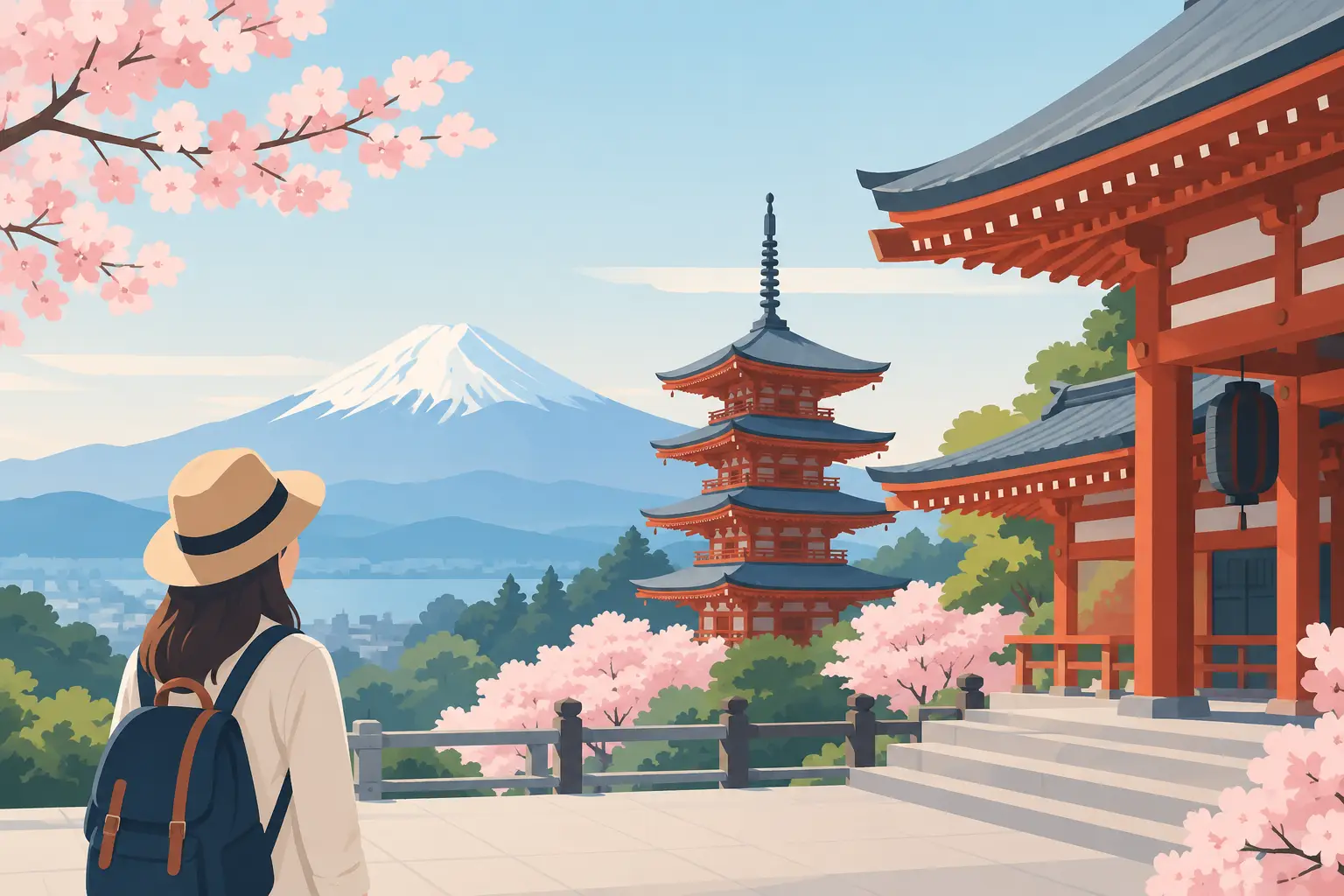
A temple bell carries farther than most travelers expect. In the early morning, its low, resonant sound can roll through a Kyoto neighborhood, past tiled roofs and narrow lanes, changing the pace of the day before you have entered a single gate. That is the promise of thoughtfully planned Japan temple tours: not simply seeing beautiful buildings, but understanding the living traditions, seasonal rituals, and human stories around them.
Japan rewards travelers who look beyond a checklist. Its temples may be among the country’s most photographed places, yet their deeper appeal is often found in quieter details: incense curling through a hall, a gardener raking gravel into deliberate patterns, a monk moving through a corridor, or a family pausing to pay respects. With the right context and enough unhurried time, these moments turn a landmark visit into a cultural encounter.
Why Japan Temple Tours Need Context
Buddhist temples are not museums, even when they receive large numbers of visitors. They are places of worship, remembrance, study, and community life. A knowledgeable local guide helps connect what you see to what it means, from the significance of a temple’s founding to the symbolism in a gate, lantern, or guardian statue.
It also helps to understand that temples and shrines are distinct. Temples are generally associated with Buddhism, while Shinto shrines are dedicated to kami, or sacred spirits. Their architecture, customs, and atmosphere can differ, although Japanese religious life has long woven Buddhist and Shinto practices together. Travelers do not need to become specialists before arriving, but a clear explanation makes each visit more rewarding and helps avoid treating sacred customs as photo opportunities.
The most memorable itineraries balance renowned sites with smaller, more intimate settings. Kyoto’s grand temple complexes deserve their reputation, particularly for first-time visitors. Yet a neighborhood temple with few visitors can sometimes offer a more immediate sense of daily spiritual life. The ideal experience is not about choosing one over the other. It is about pacing a journey so the famous highlights have context and the quieter places have room to breathe.
The Temple Experiences Worth Making Time For
A strong temple-focused journey is shaped by variety. Historic capitals, mountain communities, and contemporary cities each reveal a different relationship with faith, art, and tradition.
Kyoto: Beauty, Ritual, and Layers of History
Kyoto is central to many Japan temple tours because it offers extraordinary density and range. Zen gardens invite contemplation through restraint, while major halls and pagodas reflect centuries of patronage, craftsmanship, and political change. The city’s temples are not interchangeable, so a well-designed visit should explain why one is known for its garden, another for its architecture, and another for its place in local religious life.
Timing matters here. Early visits can offer a calmer experience and better light, while late-afternoon walks in historic districts reveal how temples sit within the fabric of ordinary neighborhoods. Spring blossoms and autumn foliage are beautiful, but they also bring crowds. Travelers who prefer a more reflective experience may find early summer or late fall offers a better balance of color, comfort, and space.
Nara: Sacred Deer and Japan’s Early Buddhist Legacy
Nara provides a powerful contrast to Kyoto. Its temple grounds feel expansive, with parkland, ancient trees, and deer that have become part of the city’s character. The great Buddhist monuments here speak to an early period when religion, state power, and artistic exchange across Asia were closely connected.
This is where expert interpretation matters most. The scale can be impressive on its own, but understanding the materials, craftsmanship, and historical purpose behind a monumental image gives the experience greater weight. It also encourages travelers to see Nara as more than a day trip from Kyoto.
Koyasan: A Slower, More Personal Encounter
For travelers seeking a deeper spiritual atmosphere, the mountain temple town of Koyasan can be especially meaningful. Staying at a temple lodging, sharing a simple vegetarian meal, or observing morning prayers offers a different kind of access. It is less about spectacle and more about rhythm, hospitality, and respect for a place shaped by Buddhist practice.
This experience is not for everyone. Accommodations can be simpler than a city hotel, meals may be unfamiliar, and early morning observances require flexibility. For many culturally curious travelers, those trade-offs are exactly what make the visit memorable. A carefully organized small-group trip can make the logistics feel manageable while preserving the sense of discovery.
How to Visit Respectfully
Temple etiquette is straightforward, and following it signals care for the place and the people using it. Dress neatly, speak quietly inside worship spaces, and follow posted guidance about photography. Some halls do not permit photos, while others ask visitors to remove shoes before entering. These rules are not inconveniences. They protect fragile interiors and preserve the atmosphere needed for worship.
At an incense burner, visitors may see people gently wafting smoke toward themselves as a symbolic act of purification or well-being. When making an offering or praying, observe those around you and let your guide explain the local practice. There is no need to perform gestures perfectly. Sincerity and attentiveness matter more than trying to imitate a ritual without understanding it.
A few practical choices also improve the experience. Wear shoes that are easy to remove, bring socks without holes, and keep a small amount of cash for offerings or temple stamps. A goshuin, or calligraphic temple seal collected in a dedicated book, can become a meaningful record of a journey. Treat it as a religious memento rather than a souvenir to collect as quickly as possible.
What Small-Group Travel Changes
Large coach tours can cover considerable ground, but sacred places are often diminished by rushing through them in a crowd. Small-group travel creates room for questions, flexible pacing, and thoughtful adjustments when a site is unexpectedly busy or a seasonal event is taking place.
For Atlas Global Tours, groups are limited to 10 travelers, a size that supports a more personal relationship with local guides and with the destination itself. Rather than moving from temple to temple at maximum speed, travelers can pause for the details that make a visit meaningful: the story behind a carved panel, the difference between garden styles, or the local sweet traditionally enjoyed near a temple approach.
This approach also makes practical travel easier. Japan’s rail network is efficient, but station navigation, luggage handling, reservation timing, and regional transfers can be demanding when travelers are unfamiliar with the system. A well-organized itinerary handles those details while leaving guests free to be present. That balance of support and independence is especially valuable when visiting places where quiet attention is part of the experience.
Building a Journey Around More Than Temples
Temple visits are richer when they are connected to the culture around them. A ceramic workshop can reveal the aesthetics behind a tea bowl seen in a temple setting. A seasonal meal introduces the ingredients and presentation shaped by Buddhist influences. A walk through an old merchant district shows how religious institutions, local businesses, and residential life developed side by side.
It is also wise to avoid overloading every day with sacred sites. Even devoted history lovers can become visually fatigued after several major complexes. A balanced itinerary may pair a morning temple visit with a market, craft experience, scenic train ride, or relaxed evening meal. The goal is not to see every famous hall. It is to leave with a clearer sense of how Japan’s past and present speak to each other.
Travelers should be realistic about mobility as well. Many temple grounds include stone paths, slopes, stairs, and uneven surfaces. Japan is welcoming to a wide range of visitors, but accessibility varies considerably by site. Discussing comfort level and mobility needs before booking allows a tour planner to recommend the best pace and make appropriate arrangements.
The finest temple experience may not be the one with the largest gate or the most familiar name. It may be the quiet moment after the crowds pass, when a guide’s explanation helps a painted ceiling, a weathered stone marker, or a distant bell make sense. Give Japan the time and thoughtful attention it deserves, and its sacred places can stay with you long after the journey home.