
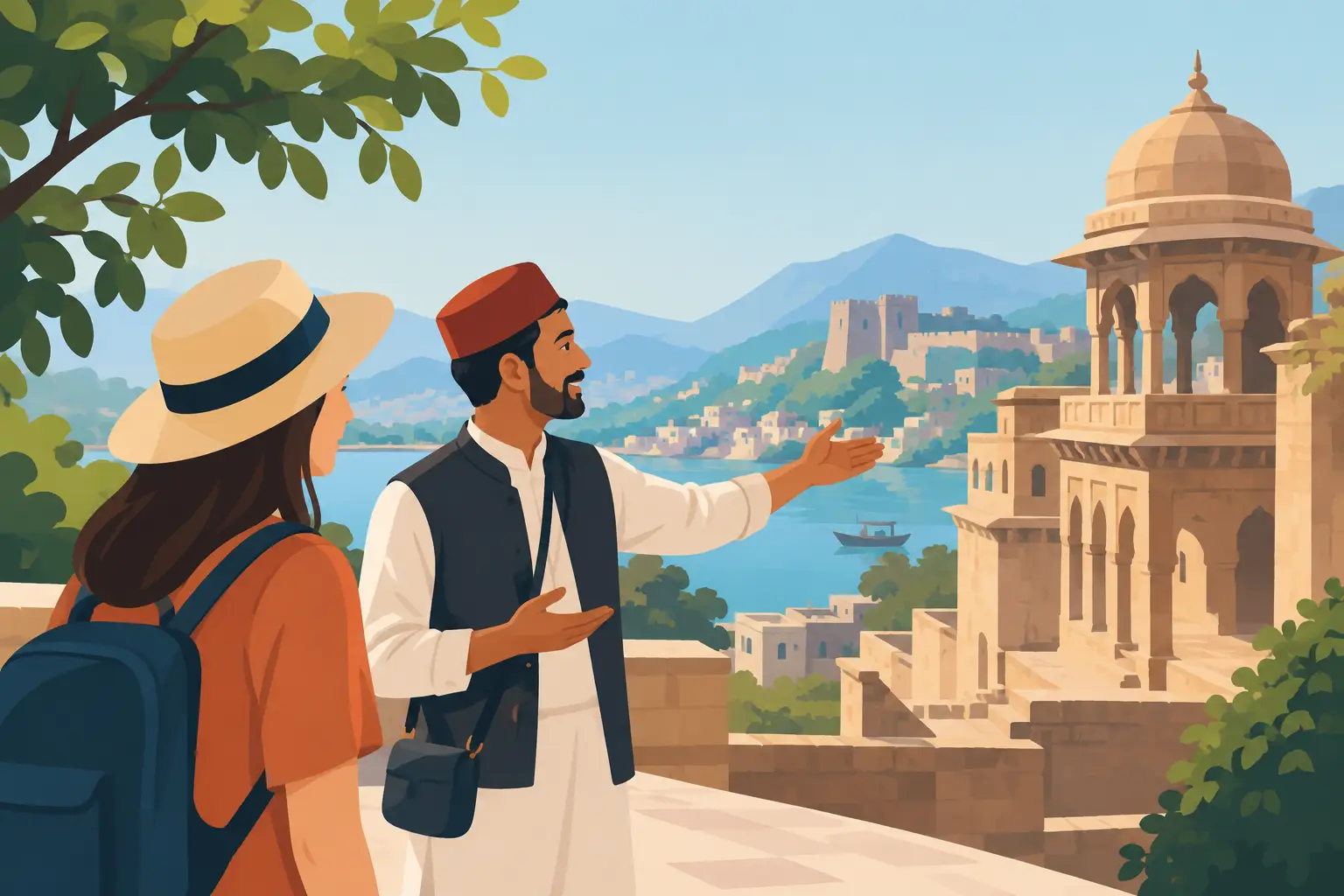
A temple at first light, a family recipe prepared in a centuries-old home, a guide explaining why a neighborhood’s doors are painted a certain color – this is heritage travel at its best. It moves beyond collecting landmark photos and gives history its proper context: the people, traditions, beliefs, and daily lives that continue to shape a place.
For culturally curious travelers, the appeal is not simply seeing an ancient citadel or a UNESCO-listed medina. It is understanding what that place means to the people who live nearby, how it has changed, and why its story still matters. With thoughtful planning and the right local guidance, heritage-focused travel can feel deeply personal while still offering the comfort and reassurance of a well-organized journey.
What Heritage Travel Really Means
Heritage travel is travel centered on a destination’s cultural, historical, natural, and living legacy. It can include monumental sites such as Egypt’s pyramids or Jordan’s Petra, but it is not limited to famous ruins and museums. A traditional tea ceremony in Japan, a visit with artisans in Morocco, an Armenian monastery set high in the mountains, or a shared meal in an Omani home can be just as meaningful.
The key distinction is connection. A standard sightseeing itinerary may tell you when a building was constructed. A heritage-minded experience helps you understand who built it, what it represented, how it survived, and how its legacy appears in contemporary life.
That wider perspective matters because culture is not frozen behind glass. It is carried in language, music, religious practice, crafts, architecture, food, family customs, and local etiquette. The strongest journeys make room for both the landmark and the human story around it.
Why Heritage Travel Feels More Meaningful
Many travelers reach a point where a packed list of attractions no longer feels satisfying. They still want to see the great sites, of course, but they want more than a hurried stop, a few photographs, and a souvenir shop exit. They want the memory of being there to hold weight.
Heritage travel creates that depth by slowing the pace at the right moments. Rather than racing from one capital city to the next, you might spend time learning how a historic quarter evolved, tasting regional dishes shaped by trade routes, or hearing a local guide explain the customs that visitors can easily misread.
This approach also makes destinations more memorable. Travelers may forget the exact year a dynasty began, but they remember the call to prayer echoing across a city at dusk, the texture of handwoven textiles, or a conversation with a guide whose family has lived in the region for generations. Facts gain staying power when they are attached to a real place and a real person.
There is also a practical benefit: cultural context builds confidence. In destinations where social norms, languages, and religious traditions differ from home, a knowledgeable guide can help travelers engage respectfully and comfortably. You can ask questions, understand appropriate behavior, and focus on the experience rather than worrying about every logistical detail.
Famous Sites Matter, but Context Makes Them Last
There is no need to choose between iconic landmarks and lesser-known experiences. The best heritage itineraries bring them together.
In Turkiye, that might mean pairing Istanbul’s grand mosques and palaces with the everyday rhythms of its markets, neighborhoods, and food culture. In India, the Taj Mahal becomes more compelling when viewed within the larger story of Mughal art, local craftsmanship, and the region’s layered religious history. In Tunisia, Roman ruins, coastal towns, and medinas can reveal the many civilizations that have met across the Mediterranean.
The trade-off is time. A meaningful itinerary cannot treat every destination as a quick stop. Trying to cover too much ground can turn cultural discovery into a checklist. A well-designed tour makes deliberate choices, allowing enough time at major sites while creating space for unplanned moments, local meals, and conversations that cannot be scheduled down to the minute.
That does not mean every day needs to be slow. Some journeys naturally include longer drives, early starts, or several essential highlights. What matters is balance: the pace should support understanding, not compete with it.
The Value of Local Guides in Heritage Travel
A guide can manage timing and transportation. A great local guide does far more. They interpret the destination with care, give shape to its many stories, and help travelers recognize details they might otherwise pass by.
In places with complex histories, that role is especially valuable. The Balkans, the Middle East, North Africa, and parts of Asia hold rich histories that cannot be reduced to a few simple talking points. They have experienced migration, empire, faith, conflict, resilience, and exchange across generations. A thoughtful guide can present that complexity clearly, without turning the journey into a lecture or flattening people into stereotypes.
Local expertise also changes the texture of the day. Your guide may know when a historic site is quieter, which food specialty belongs to a particular town, or how to introduce a sensitive cultural subject with respect. Those insights are rarely found in a guidebook, and they often become the experiences travelers talk about long after returning home.
Small groups create the right setting for this kind of exchange. With no more than 10 travelers, there is room to ask questions, adjust the rhythm when appropriate, and receive more personal attention. Atlas Global Tours designs its journeys around this balance of cultural immersion, trusted local guidance, and practical peace of mind.
How to Travel With Respect for Living Heritage
Heritage travel should benefit from curiosity, not consumption. Historic neighborhoods, sacred spaces, and traditional communities are not sets created for visitors. They are lived-in places, often carrying deep spiritual, family, or cultural significance.
Start by listening. Local customs may shape how you dress, when photography is appropriate, how you enter a religious site, or whether a market interaction should begin with a greeting rather than a transaction. Following guidance is not about feeling restricted. It is a way to show respect and often leads to warmer, more genuine encounters.
Spend thoughtfully, too. When possible, choose experiences that support local guides, family-run restaurants, artisans, and community-based businesses. Be cautious around cultural performances or visits that feel staged solely for tourists. Not every curated experience is inauthentic, but it is fair to ask who benefits, whether participation is respectful, and whether the experience offers real context.
Photography deserves special care. A beautiful moment is not automatically a public one. Always ask before photographing people, particularly in rural communities, homes, places of worship, and markets. When in doubt, put the camera down. Presence is often the better souvenir.
Choosing a Heritage-Focused Tour
Not all cultural tours deliver the same level of depth. Before booking, look beyond the number of landmarks listed. A long itinerary can appear generous while leaving little time to absorb any one place.
Ask how large the group will be and whether local guides are included throughout the journey. Look for an itinerary that combines major historical sites with regional food, neighborhood walks, cultural traditions, and time to experience a destination at a human pace. Clear inclusions, responsive pre-departure communication, and dependable on-the-ground support matter as well, particularly when traveling across multiple regions or navigating unfamiliar customs.
It also helps to consider your own travel style. Some travelers want archaeology and museum time in every destination. Others are most drawn to food, architecture, religious heritage, or everyday local life. The right trip does not try to make every experience identical. It creates a thoughtful framework, then lets the character of each destination come through.
Bring Home More Than Photos
The most rewarding heritage journeys do not ask you to memorize every date or identify every architectural style. They invite you to see a destination with greater attention and humility.
When you stand in a historic city, notice what is still alive around you: the voices in the street, the rituals of a café, the craftsmen at work, the families moving through spaces their grandparents knew. That is where the past stops feeling distant – and where travel becomes a lasting connection rather than a completed itinerary.