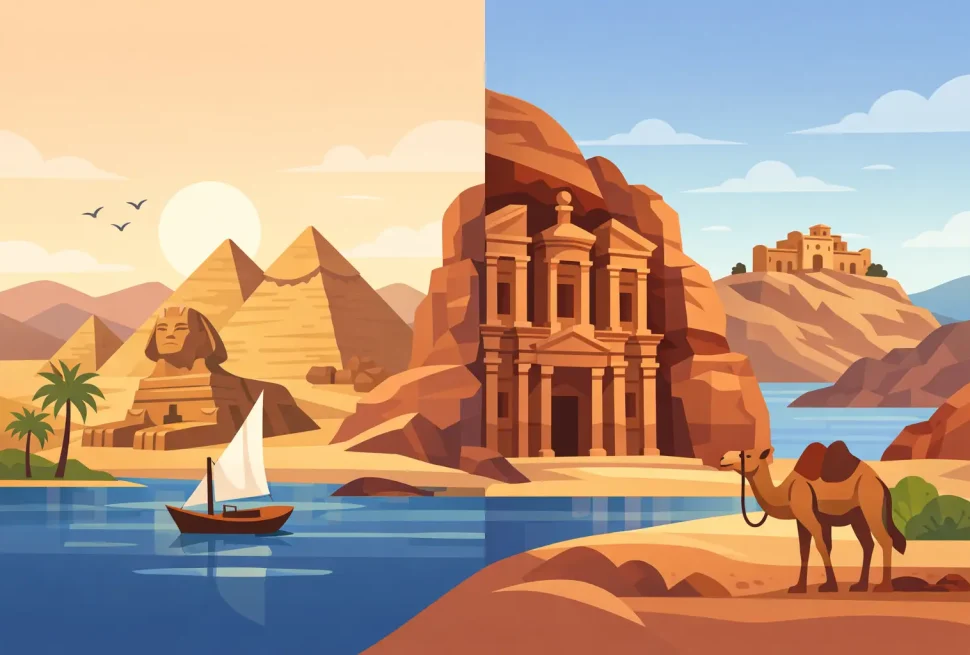

The difference between seeing Egypt and feeling changed by it often comes down to how you move through the country. The best Egypt tours do more than arrange a photo stop at the Pyramids of Giza. They create space to hear a guide explain an ancient inscription, share a meal with local flavor, watch daily life unfold along the Nile, and absorb the remarkable layers of history without feeling rushed from one monument to the next.
Egypt is not a destination that rewards a checklist alone. Its famous sites are extraordinary, but the most memorable moments often happen between them: a quiet sunrise over the river, the scent of fresh bread in a Cairo street, or a conversation that adds human context to a temple built thousands of years ago. For travelers who value cultural depth with dependable planning, a thoughtfully designed small-group journey offers a far richer way to experience it.
What Makes Egypt Tours Worth Taking
Independent travel in Egypt can be rewarding, particularly for travelers who are comfortable managing transfers, tickets, timing, and local logistics. But the country is vast, its archaeological sites are complex, and the most practical routes often involve domestic flights, rail travel, Nile cruising, and long road journeys. Coordinating every moving piece can take considerable energy.
A guided tour replaces that logistical burden with context and confidence. A knowledgeable local guide can turn the hieroglyph-covered walls of Karnak from an impressive backdrop into a living account of religion, power, art, and daily life. They can also help you understand local customs, navigate busy areas respectfully, and make the most of limited time at major sites.
The format matters. Large coach tours may cover a great deal of ground, but they can feel impersonal and rigid. Private travel provides complete flexibility, though it can be expensive and requires more decisions. Small-group Egypt tours often offer the most balanced option: shared experiences and value, with more personal attention and a pace that leaves room for genuine discovery.
The Experiences That Give Egypt Its Depth
Cairo: More Than the Pyramids
Cairo is an intense, energetic introduction to Egypt, where ancient history and modern life meet at full volume. The Pyramids of Giza and the Great Sphinx deserve their place at the top of any itinerary. Seeing their scale in person is one of travel’s great humbling experiences.
Yet Cairo should not be reduced to a single morning on the Giza Plateau. Time at the Egyptian Museum or the Grand Egyptian Museum, depending on the itinerary and access, helps place the artifacts and royal stories in context. Visits to historic districts, mosques, markets, and local restaurants reveal another side of the city: one shaped by centuries of trade, faith, craftsmanship, and family life.
A well-paced itinerary avoids trying to conquer Cairo in a day. The city rewards travelers who allow time to settle in, listen, and look beyond the most familiar images.
Luxor and the Ancient Thebes Landscape
Luxor is where Egypt’s ancient world feels especially immediate. On the East Bank, the vast temple complexes of Karnak and Luxor tell a story of pharaohs, processions, and monumental ambition. On the West Bank, the Valley of the Kings, the Temple of Hatshepsut, and the tombs of nobles reveal a more intimate relationship with death, memory, and the afterlife.
This is also where expert guidance makes a profound difference. Temple walls are filled with scenes that can appear repetitive at first glance. A skilled guide helps travelers recognize the details: offerings to gods, political messages, scenes of agriculture, and carefully preserved colors that have survived for millennia.
There is a trade-off to consider. Luxor can be hot, especially from late spring through early fall, and the major sites require walking on uneven ground. Early starts, comfortable shoes, water, and a sensible touring rhythm make the experience far more enjoyable.
The Nile: A Journey, Not Just a Transfer
The Nile was the foundation of ancient Egyptian civilization, and traveling along it offers a perspective that road transfers cannot match. A Nile cruise between Luxor and Aswan is often one of the most restorative portions of an Egypt itinerary. From the deck, palm groves, farming villages, desert hills, and fishermen create a quieter counterpoint to the grandeur of the temples.
Cruising is not the only way to experience the river, but it is a particularly comfortable option for travelers who want their transportation, accommodations, and several meals integrated into the journey. It also provides a natural pause between major archaeological sites.
Not every vessel offers the same experience. Some ships are larger and more social, while smaller vessels can feel more intimate. Travelers should consider cabin standards, included excursions, dining expectations, and how much free time is built into the schedule. The right choice depends on whether your priority is a lively onboard atmosphere, a quieter retreat, or simply an efficient and comfortable route through Upper Egypt.
Aswan and Nubian Culture
Aswan has a gentler rhythm than Cairo or Luxor. Its riverfront setting, granite islands, and warm light make it a welcome place to slow down. It is also an important gateway to Nubian heritage, a distinct cultural tradition with its own history, language, music, and visual character.
Visits to a Nubian community should be approached with respect rather than treated as a staged stop. The most meaningful experiences focus on real conversation, local hospitality, and cultural exchange. This is where smaller groups have an advantage: they can engage more naturally and leave space for questions that go beyond surface-level sightseeing.
From Aswan, many travelers continue to Abu Simbel. The twin temples, relocated in an extraordinary international preservation effort, are among Egypt’s most powerful sites. The journey is long, but for many visitors, the scale and setting make it worthwhile.
How to Choose the Right Egypt Tour
Start with the pace. An itinerary that includes Cairo, Luxor, a Nile cruise, Aswan, and Abu Simbel in a week can be rewarding, but it will be active. Adding extra nights creates more breathing room and can make the trip feel less like a race. If you prefer time to wander, rest, or explore local food, choose a journey that does not fill every hour.
Next, look closely at group size. A group capped at 10 travelers has practical benefits beyond a more personal atmosphere. It is easier to hear your guide, move through hotel check-ins, adapt to changing conditions, and have meaningful conversations with fellow travelers. You are not simply another seat on a bus.
Also review what is included. International airfare is often separate, while domestic flights, accommodations, entrance fees, guided sightseeing, select meals, and tips may vary by operator. Clear inclusions protect against surprises and make it easier to compare tours fairly. The lowest advertised price is not always the best value if essential experiences and services are added later.
Finally, ask who will guide you on the ground. Egypt is best understood with local expertise, but travelers should also expect organized communication, reliable support, and clear standards from the company arranging the trip. Atlas Global Tours combines small groups with knowledgeable local guides and careful advance planning, giving travelers room for discovery without leaving the important details to chance.
When to Go to Egypt
October through April is generally the most comfortable season for Egypt tours, with cooler temperatures that make extensive sightseeing easier. December and January are especially popular, so booking early is wise if you have limited travel dates.
May, September, and early October can offer fewer crowds and sometimes better availability, but daytime heat may be significant. Summer travel is possible, particularly with early morning site visits and well-air-conditioned accommodations, though it is best suited to travelers who tolerate heat well.
Ramadan can also shape the rhythm of daily life. Major sites remain open, but restaurant schedules and evening activity may differ. Rather than viewing this as a drawback, culturally curious travelers may find it an illuminating time to visit, provided they travel with patience and respect for local practices.
A Few Practical Expectations Before You Go
Egypt is welcoming, but it is not a destination where travelers should arrive without preparation. Dress should be modest and practical, especially when visiting religious sites. Lightweight clothing, a hat, sunscreen, walking shoes, and a refillable water bottle go a long way.
Expect security procedures at hotels and major attractions, as well as early departures on some touring days. These are normal parts of travel in Egypt and are easier to manage when your itinerary is organized thoughtfully. Bring a sense of flexibility, too. Traffic, weather, and site conditions can shift plans, and a good guide knows how to adapt without diminishing the experience.
The most meaningful Egypt journey is not the one that collects the most photographs. It is the one that gives you time to stand before an ancient temple, understand what you are seeing, and carry that sense of connection home long after the desert dust has left your shoes.