A private conversation with a Cairo artisan, an unhurried meal in a family-run kitchen in Morocco, or a guide who knows when a quiet moment matters as much as a famous landmark – these are the experiences reshaping the future of guided travel. Travelers are no longer satisfied with simply being shown a destination. They want to understand it, feel welcomed within it, and return home with memories that could not have been replicated from a bus window.
For culturally curious travelers, this is good news. Guided travel is becoming less about following a flag through crowded sites and more about moving through a place with context, care, and genuine human connection. The best journeys will still make room for the pyramids, Petra, Kyoto’s temples, and Istanbul’s grand mosques. But they will also make room for the stories, neighborhoods, flavors, and encounters that turn a trip into something personal.
The Future of Guided Travel Starts With Smaller Groups
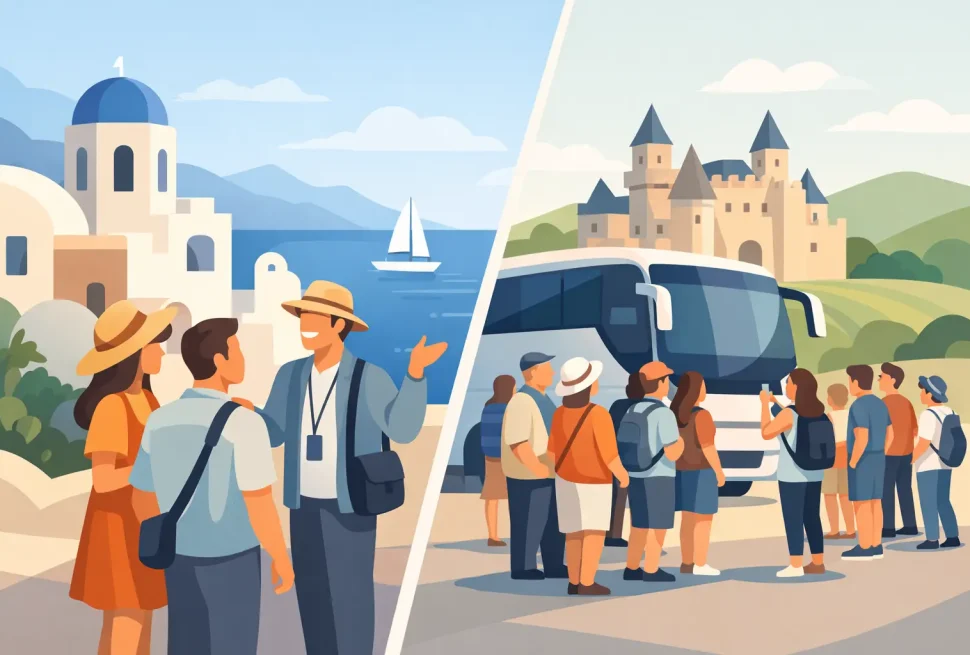
The era of the oversized coach tour has not disappeared, but it no longer represents what many discerning travelers want. A smaller group changes the character of an entire journey. It can enter a tucked-away restaurant without taking over the room, adjust its pace when a meaningful opportunity appears, and allow every traveler to ask questions rather than compete for attention.
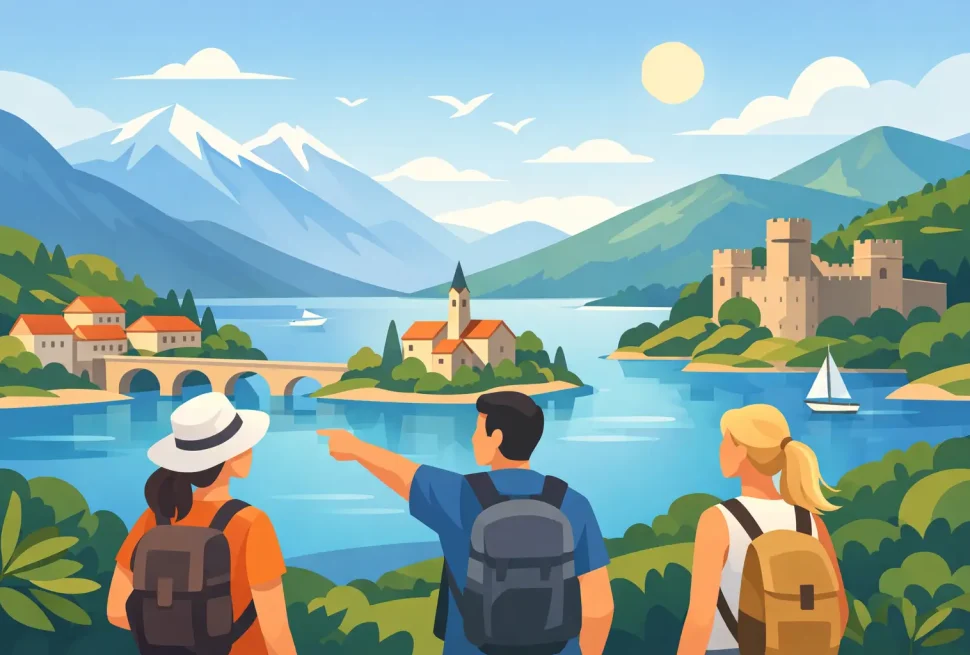
For destinations with layered histories and living traditions, that intimacy matters. A group of eight or 10 can gather around a local guide in an Armenian monastery, share tea with a host in Oman, or pause in a Himalayan village without creating the distance that large-scale tourism often brings. The experience feels more respectful for local communities and more rewarding for travelers.
Smaller groups also create a better balance between companionship and independence. Solo travelers can feel included without being absorbed into a crowd. Couples can enjoy shared discoveries while still having space for themselves. Friends traveling together gain the ease of expert planning without surrendering the flexibility that makes travel feel alive.
Expertise Will Matter More Than Ever
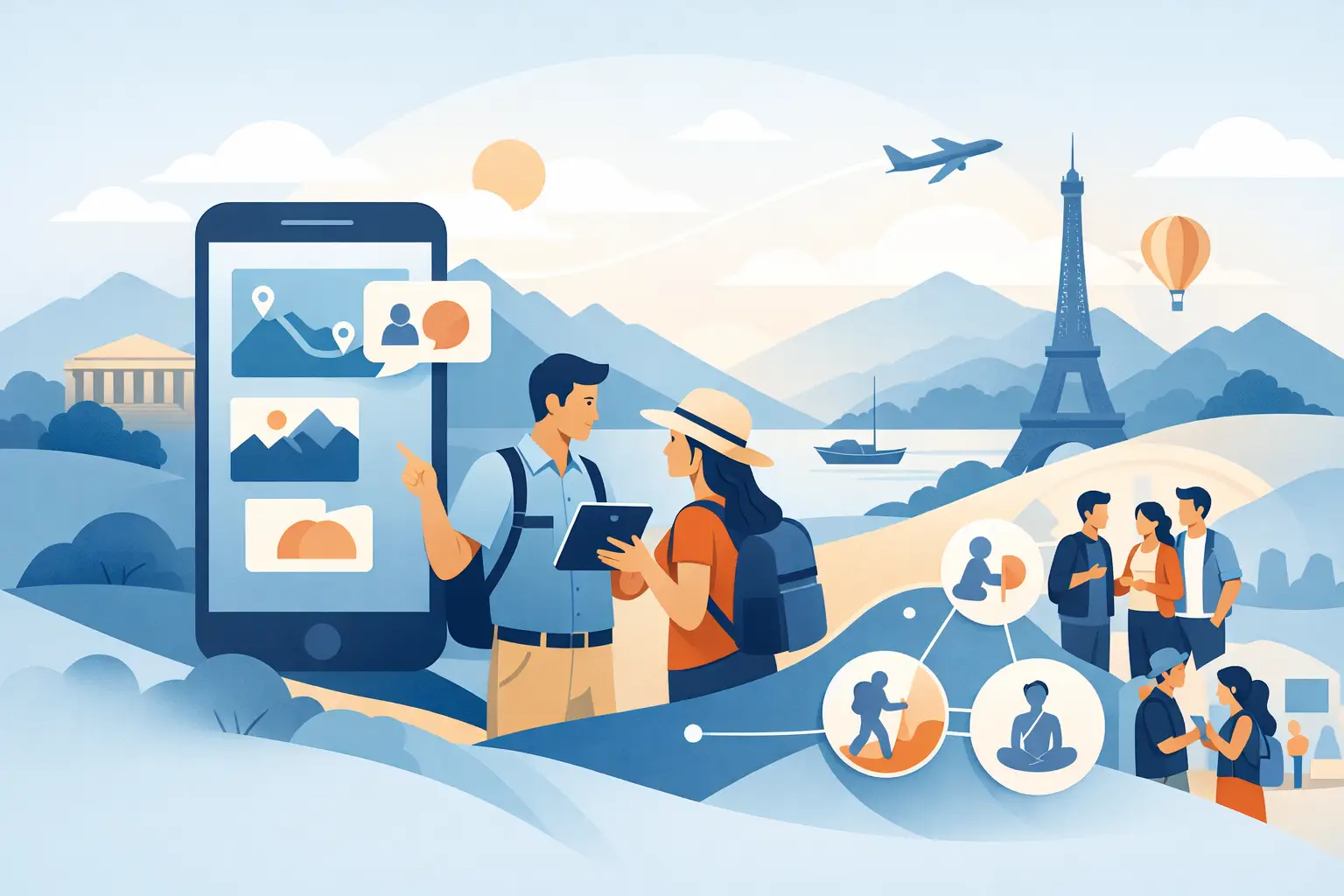
Technology has made travel information abundant. A traveler can find a restaurant, translate a menu, and read hundreds of destination tips in minutes. What technology cannot reliably provide is judgment: knowing which experiences are worthwhile, when conditions call for a change in plan, or how to introduce a visitor to a culture with appropriate context and respect.
That is where excellent local guides become even more valuable. The future guide is not simply reciting dates or directing logistics. They are a cultural ambassador, skilled storyteller, problem solver, and bridge between visitors and the place they have come to know. They can explain why a ritual matters, help travelers understand local etiquette, and offer the kind of perspective that transforms a beautiful sight into a meaningful encounter.
This human expertise is particularly valuable in destinations where history, religion, language, and daily life are closely intertwined. In Jordan, Egypt, India, or Turkiye, travelers often arrive with curiosity and a long list of questions. A thoughtful guide creates room for those questions while keeping the experience grounded, welcoming, and clear.
The right guide also knows that not every moment needs commentary. Sometimes the most memorable part of a journey is a sunrise over Wadi Rum, a slow walk through a medina, or time to absorb the scale of an ancient site. Great guided travel leaves space for wonder.
Curated Itineraries Will Replace Checklists
Travelers are increasingly questioning the value of itineraries designed around quantity alone. Seeing six major sites in one day may produce impressive photos, but it can leave little room for understanding, rest, or spontaneity. The future belongs to journeys that are thoughtfully paced rather than relentlessly packed.
This does not mean skipping iconic places. Landmark experiences often deserve their reputation. Standing before the Treasury at Petra or watching the light change across the Taj Mahal can be profoundly moving. The difference is how those moments fit into the wider trip. A well-designed itinerary pairs major highlights with local markets, regional food, artisan traditions, scenic drives, and time to simply notice what is happening around you.
Thoughtful pacing also supports traveler comfort. International travel involves time changes, unfamiliar environments, and the natural energy demands of a full day of exploration. A trip should feel enriching, not like an endurance test. This is especially true for travelers who value comfort and cultural depth equally.
There is a trade-off, of course. A slower itinerary may mean choosing depth in one region over rushing to cover an entire country. For many travelers, that is a worthwhile choice. They would rather truly experience Morocco beyond Marrakech, Japan beyond Tokyo, or the Balkans beyond a string of hotel check-ins than spend their vacation constantly in transit.
Trust Will Be Part of the Experience
As travelers seek more distinctive destinations and more personal experiences, they also want stronger reassurance behind the scenes. The future of guided travel is not less structured. It is better structured, with planning that gives travelers confidence before they leave home and support when plans need to change.
That begins with clear communication. Travelers should understand what is included, what the pace will feel like, how accommodations are selected, and what kind of support is available throughout the trip. Honest expectations build trust long before the first airport departure.
It also means working with experienced local partners and building itineraries around real operating knowledge, not assumptions. Weather, road conditions, seasonal crowds, local holidays, and site access can all affect a journey. Expert planning accounts for these realities while preserving the sense of discovery travelers want.
For a U.S. traveler booking an international tour, dependable service can make the difference between feeling uncertain and feeling excited. The goal is not to remove every surprise from travel. The goal is to handle the practical details so the surprises that remain are the good kind: an unexpected festival, a new favorite dish, a conversation that changes how you see a place.
Responsible Travel Will Become More Specific
More travelers want their trips to benefit the places they visit, but broad promises are no longer enough. Responsible guided travel will be judged by practical choices: where groups eat, which local businesses receive visitor spending, how guides are compensated, whether cultural customs are respected, and how group size affects the communities involved.
This calls for humility as much as good intentions. Visitors do not need to arrive as experts, but they should arrive ready to listen. A guided journey can help travelers move beyond stereotypes and understand that every destination is more complex than its headline attractions.
Local experiences should never feel staged merely to entertain visitors. The strongest ones are rooted in real relationships and offered with mutual respect. That might mean learning the story behind a regional dish from the people who prepare it, visiting a workshop where traditional skills are still practiced, or understanding the significance of a sacred site before entering it.
Companies such as Atlas Global Tours can play an essential role by designing small-group journeys that support this kind of exchange without turning culture into a performance. The standard should be simple: travelers leave with a deeper appreciation, and local communities retain agency over how their stories are shared.
Personalization Without Losing the Shared Journey
Travelers increasingly expect choices, even within a guided format. They may want a free afternoon for a museum, a cooking class instead of shopping, or a slower morning after an early arrival. The most successful guided tours will offer thoughtful flexibility without making travelers responsible for rebuilding the itinerary themselves.
That distinction matters. Fully independent travel offers maximum control, but it also requires constant research, reservations, transport decisions, and contingency planning. A guided journey offers a different kind of freedom: the freedom to be present because the major details have already been handled well.
Personalization does not have to mean a different trip for every person. It can mean attentive trip leaders, realistic pacing, well-chosen optional experiences, and the willingness to recognize that travelers have different interests and energy levels. In a small group, this kind of care is possible.
What Travelers Should Look For Next
When choosing a guided tour, look beyond the number of destinations or the length of the inclusions list. Ask how large the group will be, who leads the experience on the ground, and whether the itinerary allows time for local life as well as landmark visits. Consider how clearly the company communicates before booking and whether the journey feels designed around your interests rather than a generic formula.
The future of guided travel will reward travelers who choose connection over collection. Pick the journey that gives you confidence in the planning, room to be curious, and the chance to meet a destination on its own terms. Those are the trips that stay with you long after the suitcase is unpacked.