A sunrise visit to Petra, a cooking lesson in Marrakech, a temple morning in Japan, and dinner with new friends can all happen within one well-designed journey. That variety is exactly why guided travel packing tips should focus less on packing for every possible scenario and more on preparing for the experiences your itinerary makes possible. The goal is not to travel with the least amount of luggage at any cost. It is to arrive ready for cultural connection, changing conditions, and the reassuring ease of a thoughtfully organized small-group trip.
On a guided tour, the major logistics are already considered: transportation, accommodations, key experiences, and local expertise. Your suitcase should support that freedom. Pack with purpose, leave room for a meaningful find at a neighborhood market, and choose pieces that help you feel comfortable whether you are walking ancient streets or sharing a long lunch with locals.
Start With the Shape of Your Itinerary
A destination name alone does not tell you what to pack. Morocco can mean cool mornings in the Atlas Mountains, hot afternoons in the medina, and polished dinners in Marrakesh. Japan can bring humid city walks, air-conditioned trains, temple visits, and an evening that calls for a slightly more refined outfit. Read your day-by-day itinerary before you reach for the suitcase.
Look for the practical details: how often you change hotels, whether a day includes substantial walking, the season and regional climate, and visits to religious or traditional sites. A multi-country journey may also cross very different climates in a single week. In that case, layers are more useful than a separate outfit for every day.
Small-group travel has another advantage: you do not need to prepare for the unpredictability of navigating every transfer alone. Still, luggage that is manageable matters. You may encounter cobblestones, narrow riad entrances, staircases, ferry terminals, or brief walks between a vehicle and your hotel. A medium checked suitcase with durable wheels, plus a comfortable day bag, is often a better choice than an oversized case filled to capacity.
Build a Flexible, Respectful Wardrobe
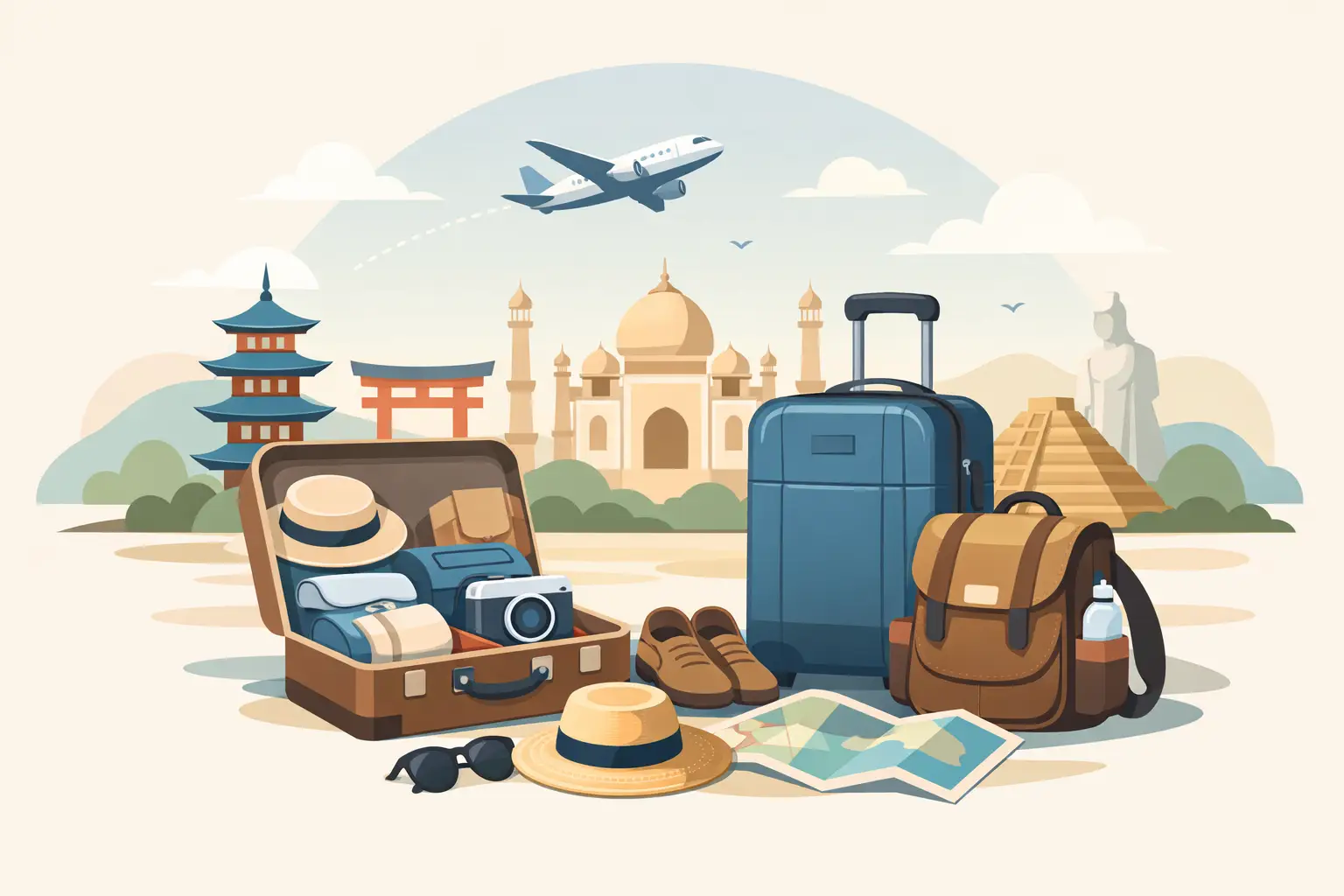
The most effective guided travel packing tips begin with clothing that works across settings. Think breathable fabrics, comfortable silhouettes, and colors that can be worn together without much effort. Three or four tops, two or three bottoms, a light layer, and a few versatile accessories can cover far more ground than a suitcase full of single-purpose items.
Dress for culture, not just weather
In many destinations, modest clothing is both practical and respectful. Shoulders and knees may need to be covered when entering mosques, temples, churches, monasteries, or rural communities. A lightweight scarf or wrap is one of the most useful items you can bring. It can provide coverage at a sacred site, protection from sun or dust, or a little warmth in cool interiors.
This is not about following a rigid rule everywhere you go. Local expectations vary by country, neighborhood, and setting. Beachwear may be completely appropriate at a resort and out of place at a historic religious site an hour later. Your local guide can offer context along the way, but arriving with a flexible wardrobe shows consideration from the start.
Choose one slightly elevated outfit for special dinners, performances, or an evening in a capital city. It does not need to be formal. A wrinkle-resistant dress, collared shirt, smart blouse, or clean dark trousers can feel appropriate without taking up much room.
Pack shoes around walking, not photos
Beautiful destinations are often best experienced on foot. Ancient stone paths, uneven sidewalks, market lanes, and archaeological sites reward supportive shoes more than fashionable ones. Bring one pair of broken-in walking shoes and one lighter pair for evenings or easier days. If your itinerary includes desert terrain, mountain paths, or wet conditions, a shoe with better traction may be worthwhile.
Do not bring brand-new shoes for an international trip. Even a premium pair can cause blisters when paired with long days, heat, or unfamiliar surfaces. Test them on several walks at home, and carry blister patches in your day bag. This small preparation can protect an entire day of discovery.
Let Layers Do the Work
Weather changes are normal, even in destinations known for heat. Desert mornings can be cool. Mountain towns can turn chilly after sunset. Air conditioning on a motorcoach, train, or in a museum can feel surprisingly cold after a warm walk outside.
A lightweight jacket, cardigan, overshirt, or packable rain layer usually earns its place. For cooler-season travel, choose a warm layer that can be compressed rather than a bulky coat that takes over your suitcase. A compact umbrella can be useful in some cities, but a light rain jacket is often easier when you are walking through a market or exploring a historic district.
Check the forecast close to departure, but do not pack exclusively for it. Forecasts help with final adjustments, while versatile layers prepare you for the fuller reality of travel.
Keep Your Day Bag Thoughtful and Light
Your day bag should make a full day of sightseeing more comfortable, not weigh you down. Select a crossbody bag, small backpack, or anti-theft day pack that closes securely and rests comfortably against your body. It should hold essentials without becoming a portable closet.
For most guided days, bring your passport only when needed, along with a photocopy or secure digital copy stored separately. Carry your phone, wallet, reusable water bottle, sunglasses, sunscreen, medications, hand sanitizer, tissues, and a small power bank. Add a scarf, rain layer, or hat based on the day’s plan.
A small amount of local currency is useful for personal purchases and incidental expenses, but avoid carrying every valuable item with you. Use hotel safes when available and follow the practical guidance provided by your tour team. Peace of mind is part of traveling well.
Put Health and Essentials in Your Carry-On
Your carry-on is your first line of travel confidence. Checked bags usually arrive as planned, but important items should never depend on that outcome. Keep prescription medications in original containers, along with a copy of prescriptions or a doctor’s note when appropriate. Pack enough medication for your full trip plus a modest buffer in case of delays.
Your passport, travel documents, payment cards, phone charger, eyeglasses, and one change of clothes also belong in your carry-on. Add a small toiletry kit within airline liquid limits, especially if a long-haul flight leaves you wanting to freshen up before arrival.
For international travel, a universal power adapter is more useful than carrying several country-specific plugs. If your devices are essential for photography, work, or staying in touch with family, bring a compact backup battery as well. Confirm airline rules for batteries before departure.
Avoid Packing for Anxiety
Many travelers overpack because they imagine every unlikely need. A guided journey does involve new environments, but it also provides structure, local knowledge, and support. You are not preparing to be entirely self-sufficient in a remote wilderness for weeks at a time.
Leave behind multiples of the same item, oversized toiletries, and clothing you are unsure you will wear. Most destinations have pharmacies, convenience stores, and laundry services. On longer trips, doing one load of laundry can be a much smarter trade-off than checking a second bag.
There are exceptions. If you have specific medical needs, unusually sized clothing, sensitive skin, or a favorite item that makes travel substantially easier, bring it. The point is not minimalism for its own sake. It is making room for comfort, flexibility, and the experiences ahead.
A Final Check Before Departure
A few days before you leave, lay everything out and remove one or two items. Then try lifting and rolling your luggage as if you were moving through an airport or up hotel steps. If it feels cumbersome at home, it will feel heavier after an overnight flight.
At Atlas Global Tours, small groups and knowledgeable local guides create room to be present rather than preoccupied with logistics. Pack for that feeling. Bring what helps you walk farther, participate more fully, and meet each new place with curiosity – then leave enough space in your suitcase for the stories, flavors, and small treasures that will travel home with you.