A sunrise over Petra is unforgettable. So is the quiet moment afterward: sharing sweet tea with a local host, hearing how families in Wadi Musa live alongside one of the world’s most recognized archaeological sites. That distinction sits at the heart of today’s immersive travel trends. Travelers still want to see the landmarks they have dreamed about, but they also want to understand the people, traditions, and daily rhythms that give a destination its character.
For culturally curious Americans, this shift is less about collecting unusual experiences and more about traveling with purpose. The most rewarding journeys now make room for context, conversation, and a pace that lets a place feel real. They also recognize a practical truth: meaningful travel does not have to mean figuring out every detail alone.
Immersive Travel Trends Are Moving Beyond the Checklist
For years, international travel was often measured by how many sights fit into an itinerary. A country could become a string of photo stops: a palace, a market, a monument, then a long bus ride to the next attraction. Iconic places still matter, especially on a first visit. Skipping the Pyramids of Giza, the Taj Mahal, Kyoto’s temples, or Morocco’s medinas in the name of being “off the beaten path” can feel just as incomplete.
The change is in how these highlights are experienced. Travelers increasingly want the story behind the site, time to absorb it, and a meaningful connection to the surrounding community. They may visit a historic fortress with a guide whose family has lived nearby for generations, learn why a regional dish is prepared a certain way, or spend an evening in a smaller town that rarely appears on a standard coach-tour route.
This is not a rejection of well-known destinations. It is a rejection of superficial travel. A thoughtful itinerary balances the essential landmarks with the details that turn a visit into understanding.
Local Expertise Has Become a Core Part of the Journey
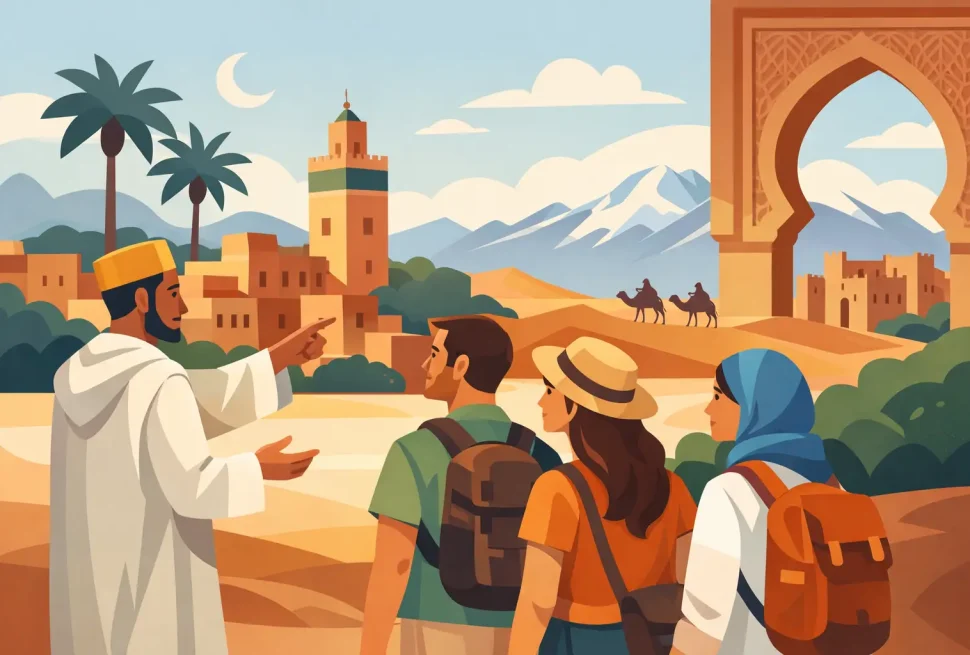
One of the strongest travel trends is the growing value placed on local guides. A knowledgeable local guide does more than explain dates, architecture, or religious customs. They help travelers notice what they might otherwise miss: the etiquette of entering a home, the significance of a festival, the regional differences in cuisine, or the social changes shaping a city.
That perspective is especially valuable in destinations with deep and layered histories, including Egypt, Jordan, India, Turkiye, Armenia, Tunisia, and the Balkans. A great guide can connect an ancient ruin to the living culture around it. They can also offer practical guidance that helps visitors feel comfortable and respectful, from navigating a busy souk to understanding appropriate dress at a sacred site.
Of course, local access should never feel staged. The goal is not to turn everyday life into a performance for visitors. The best experiences are designed with care, support local businesses, and allow genuine exchange without asking communities to compromise their privacy or dignity.
Food Is Becoming a Cultural Conversation
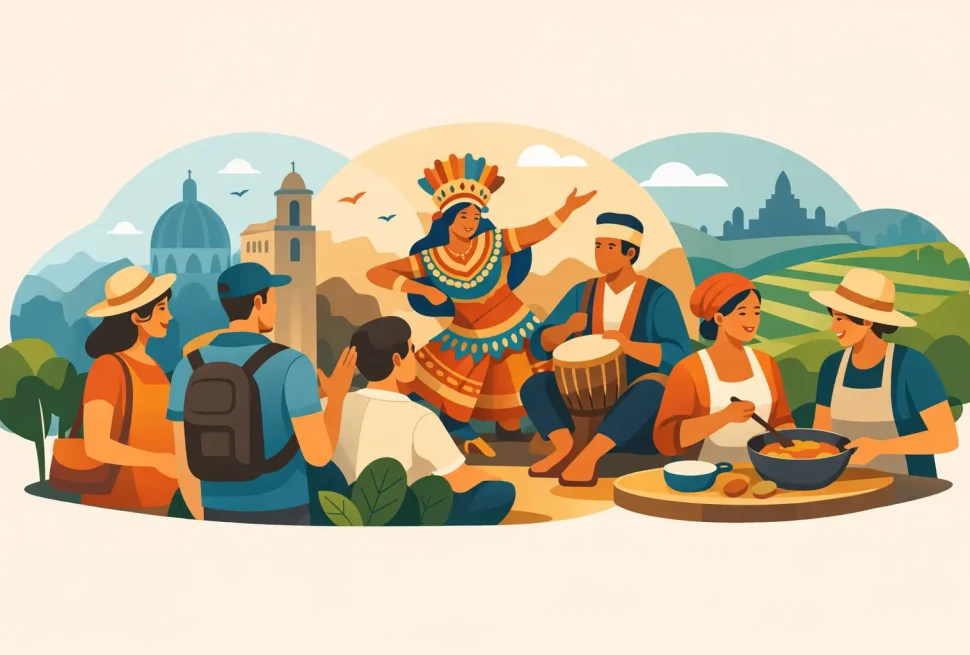
Food has long been one of travel’s great pleasures, but travelers are looking beyond restaurant reservations and famous dishes. They want to know who makes the food, where ingredients come from, and why a meal matters to a region or family.
That may mean lingering over a home-style lunch in rural Morocco, tasting regional specialties in Japan, or learning how different communities have shaped the flavors of the Eastern Mediterranean. These experiences are memorable because they are rooted in place. They also create natural moments of connection, even when travelers and hosts do not share a first language.
There is a useful balance here. Not every meal needs to be an organized cultural activity, and travelers should still have time to choose a café, explore a market, or enjoy dinner on their own. A well-designed tour offers both shared experiences and personal freedom.
Smaller Groups Make Deeper Experiences Possible
Group size is no longer a minor detail. It directly shapes what a journey can feel like. Large coach groups may offer efficiency, but they often move on rigid schedules and have limited access to intimate restaurants, family-run workshops, small boutique hotels, and neighborhood spaces.
Small-group travel creates more room for flexibility and conversation. A group of 10 travelers or fewer can sit around one table, ask a guide follow-up questions, adjust the pace when a place deserves more time, and enter settings that simply cannot accommodate 40 people at once. It also makes it easier for travelers to get to know one another, an overlooked benefit for solo travelers and couples alike.
Smaller does not automatically mean better. Very independent travelers may prefer complete spontaneity, while others enjoy the energy and lower price point of a larger group. But for those seeking cultural depth with personal attention, small groups offer a compelling middle ground between traveling alone and joining a mass-market tour.
Slow Travel Is About Attention, Not Just More Days
“Slow travel” can sound like a luxury reserved for travelers with unlimited time. In reality, it is often about how an itinerary uses the days available. Rather than rushing through five cities in eight nights, travelers are choosing routes that allow for fuller experiences in fewer places.
This might look like an extra night in a historic city, an unhurried morning in a mountain village, or a scenic drive with meaningful stops rather than a direct transfer. It means leaving breathing room after a long flight and avoiding schedules so packed that travelers remember more hotel lobbies than local life.
A slower pace has practical advantages, too. It reduces travel fatigue, gives guides time to tailor recommendations, and makes unexpected moments easier to welcome. If a craft market is especially lively, a local celebration is underway, or a viewpoint deserves another half hour, the itinerary has room to respond.
Purposeful Add-Ons Are Replacing Generic Free Time
Travelers still value unstructured time, but many now want better guidance for how to use it. Instead of simply being told they have a free afternoon, they appreciate a few well-considered options based on their interests: a museum for history lovers, a neighborhood walk for photographers, a hammam experience, a cooking class, or a quiet café with a local specialty.
The difference is support without pressure. Travelers should never feel that every hour must be scheduled, yet they should not have to spend precious vacation time sorting through unreliable recommendations. This is where careful trip planning adds real value.
Comfort and Authenticity Are No Longer Opposites
A persistent myth suggests that authentic travel must be uncomfortable or improvised. Certainly, there is satisfaction in navigating a destination independently, and some travelers thrive on uncertainty. But many people want meaningful cultural encounters alongside dependable transportation, thoughtfully selected accommodations, clear communication, and reliable support.
That is not a lesser form of travel. It is a realistic response to limited vacation time, unfamiliar languages, changing entry requirements, and the natural desire to feel secure far from home. The strongest immersive trips handle logistics professionally so travelers can focus their energy on the destination itself.
At Atlas Global Tours, that balance is central to the journey: intimate groups, carefully paced routes, and local cultural insight paired with the reassurance of organized planning. Travelers can be present for the experience because the major details have been considered in advance.
Responsible Choices Are Becoming More Personal
Responsible travel is also evolving. Many travelers are moving past broad claims and asking more grounded questions. Who benefits from this experience? Is the visit respectful? Are local guides and small businesses meaningfully included? Does the itinerary avoid treating communities, faith traditions, or wildlife as entertainment?
No trip is impact-free, and responsible travel is not about perfection. It is about making better choices where possible: staying longer rather than constantly moving, buying from local artisans, respecting cultural norms, reducing waste, and choosing operators that treat local partners as experts rather than scenery.
For travelers, curiosity is a good starting point. Ask questions, listen carefully, and resist the urge to judge a destination by the standards of home. Cultural connection begins with humility.
The Best Trend Is Travel That Stays With You
The most meaningful journeys are rarely defined by a single dramatic moment. They live on in smaller memories: the call to prayer drifting across a city at dusk, a guide’s personal story at an ancient site, a shared meal that becomes the group’s favorite evening, or the confidence of finding your way through a place that once felt distant.
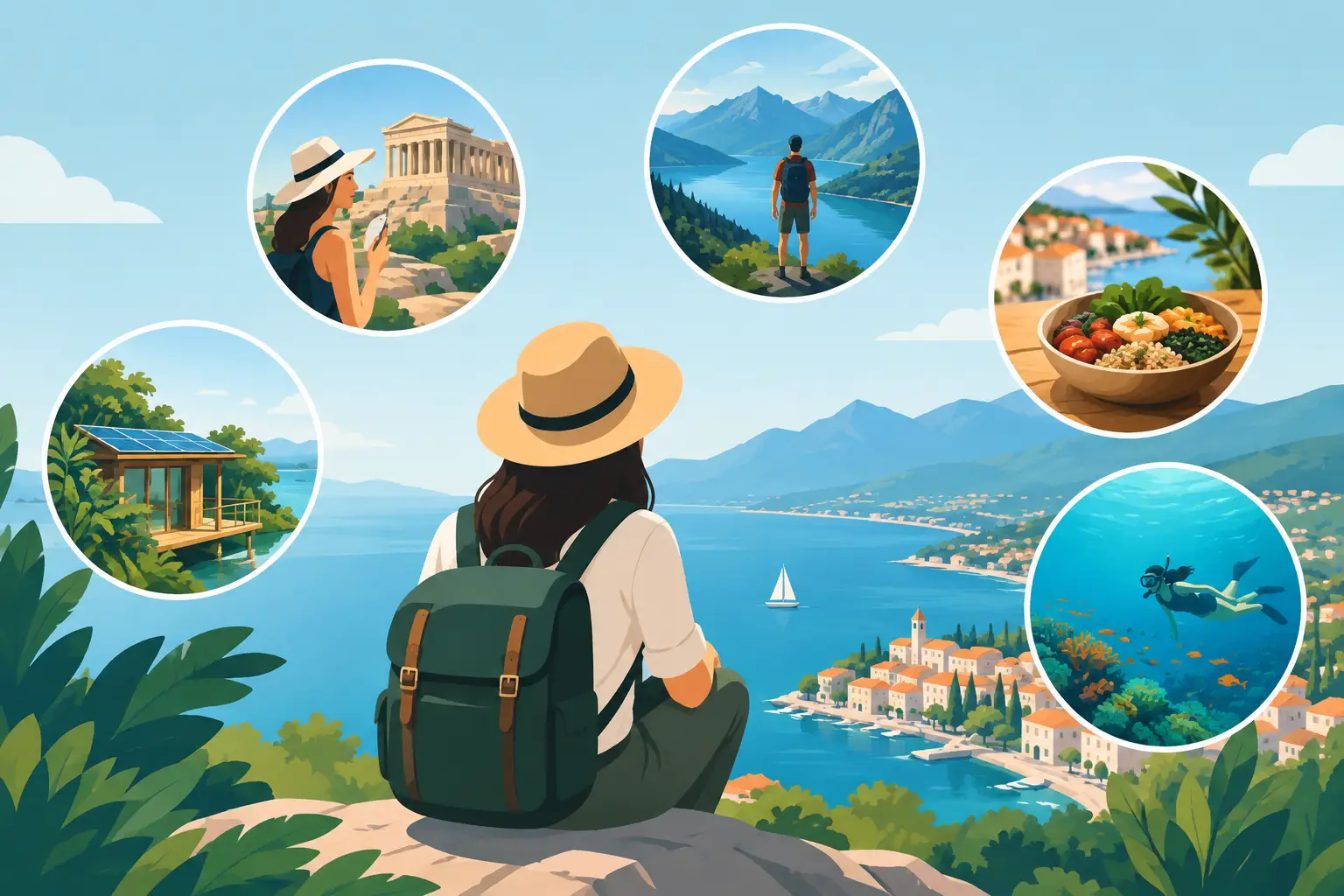
As immersive travel continues to shape how people explore the world, the real opportunity is to travel with more attention. Choose an itinerary that honors both the landmark and the life around it, then give yourself enough time and support to truly be there.