
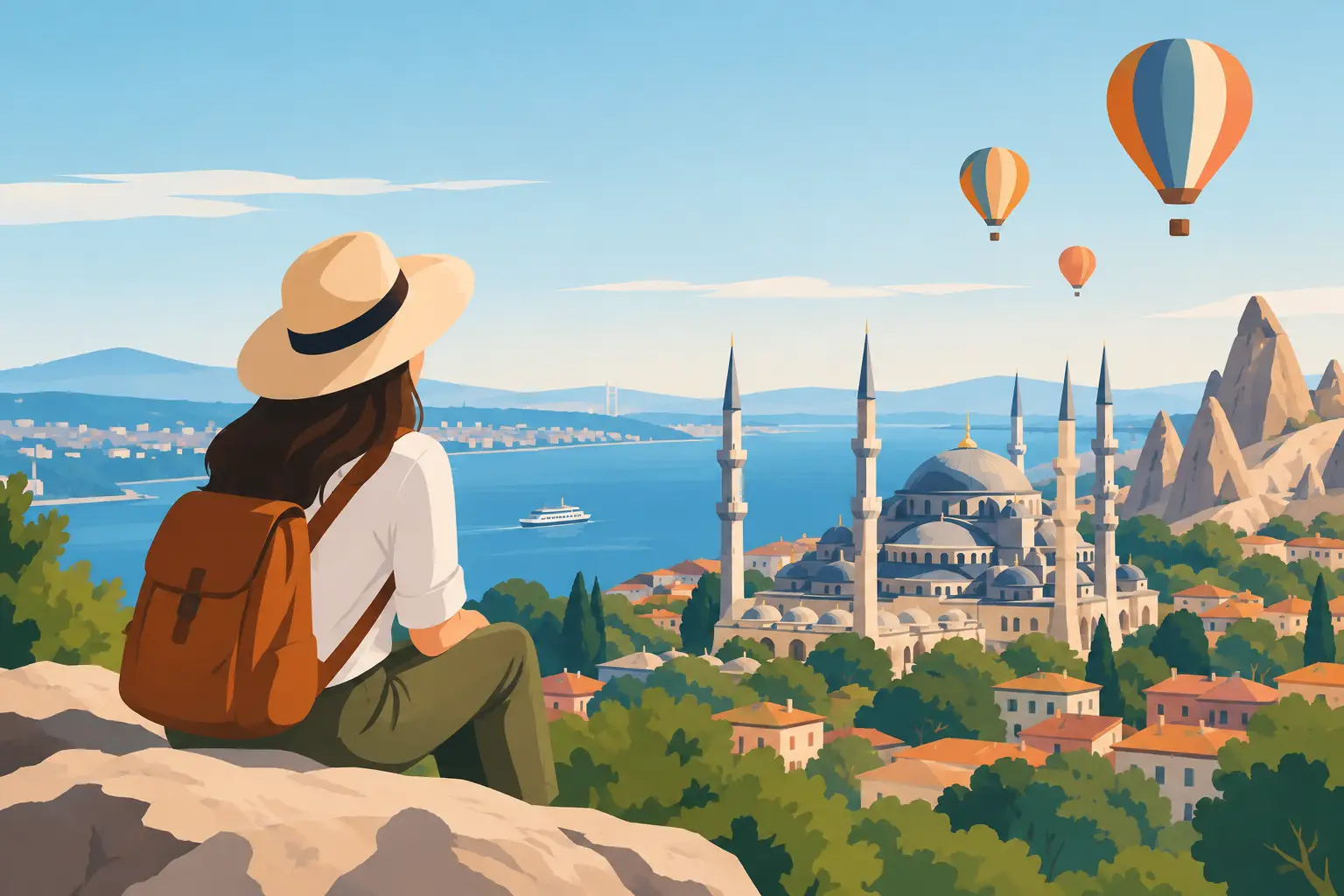
A sunrise over Cappadocia’s volcanic valleys, the first call to prayer echoing across Istanbul, a long lunch of olive-oil dishes on the Aegean coast – Turkey is not a destination that rewards rushing. The best signature turkey tours create room for its contrasts: imperial cities and village kitchens, Roman ruins and living faith traditions, dramatic landscapes and the small human encounters that make a journey stay with you.
For travelers who want more than a rapid circuit of photo stops, Turkey offers exceptional range within one well-planned trip. The key is not seeing every corner of the country. It is choosing an itinerary with enough depth, thoughtful pacing, and local perspective to make each place feel connected to the next.
What Makes Signature Turkey Tours Different?
A signature journey is shaped around the character of a destination rather than a generic sightseeing formula. In Turkey, that means the major landmarks still matter. Istanbul’s Hagia Sophia, the ancient avenues of Ephesus, the fairy chimneys of Cappadocia, and the white terraces of Pamukkale are remarkable for good reason. But a meaningful itinerary goes further, placing those famous sites in their cultural and historical context.
Turkey, officially known as Türkiye, has stood at the meeting point of Europe, Asia, the Mediterranean, and the Middle East for centuries. Its food, architecture, languages, trade routes, and spiritual traditions reflect that layered history. A skilled local guide helps travelers see more than beautiful buildings or archaeological stones. They explain how Byzantine Constantinople became Ottoman Istanbul, why regional cooking changes from one province to another, and how everyday customs continue to shape modern life.
Small-group travel makes that kind of interpretation easier to absorb. Instead of following a large coach convoy on a fixed timetable, a group of no more than 10 travelers can move with greater care, ask questions freely, and spend more time in the places that spark curiosity. There is still structure, which brings welcome peace of mind, but there is also room for a conversation with a shopkeeper, an unhurried coffee break, or a recommendation that does not appear in a standard guidebook.
A Well-Designed Turkey Itinerary Balances Iconic and Intimate
The strongest Turkey itineraries do not treat every day as a race. They balance high-impact experiences with the pauses needed to enjoy them.
Begin with Istanbul’s living history
Istanbul is often the natural starting point because it immediately introduces Turkey’s complexity. The Blue Mosque, Hagia Sophia, Topkapi Palace, and the Grand Bazaar reveal the scale of the city’s Ottoman and Byzantine inheritance. Yet the city is equally compelling in the details: ferry rides between continents, a glass of tea overlooking the Bosphorus, neighborhood bakeries, and the rhythm of daily life in streets beyond the main monuments.
A guided visit is especially valuable here. Istanbul can feel exhilarating and overwhelming at the same time, particularly for first-time visitors. A knowledgeable guide brings order to the layers, handles the practical flow of the day, and leaves travelers free to be present rather than constantly consulting maps, ticket lines, and opening hours.
Let Cappadocia slow the pace
Cappadocia’s landscape can seem almost unreal, but its appeal is not limited to balloon-filled skies. Valleys shaped by wind and volcanic rock contain cave churches, underground settlements, and homes carved into soft stone. The region invites a slower rhythm, whether that means watching dawn from a terrace, visiting a pottery workshop, or sharing a relaxed dinner featuring central Anatolian specialties.
Hot-air ballooning is an unforgettable option when weather permits, but it should be treated as an enhancement rather than the sole reason to visit. Flights can be canceled due to wind conditions, and a thoughtful itinerary makes the region rewarding regardless. That is a good example of why expert planning matters: travelers have a rich day ahead whether or not a single activity proceeds exactly as hoped.
Follow the Aegean through ancient and contemporary life
Along Turkey’s western coast, Ephesus provides one of the Mediterranean’s most impressive windows into the Roman world. Its grand theater, library façade, and marble streets offer a vivid sense of an ancient city built for commerce, worship, and public life. Nearby, smaller moments provide useful contrast: local olive groves, coastal markets, traditional crafts, and meals that highlight the region’s fresh vegetables, seafood, herbs, and oils.
The trade-off is simple. Travelers with limited time may be tempted to add every major archaeological site in the area. In practice, selecting a few exceptional places and allowing time to experience the surrounding culture usually creates a more satisfying journey than checking off ruins from morning to night.
Why Small Groups Matter in Turkey
A small group changes the feel of a tour in practical ways. It is easier to navigate boutique hotels, family-run restaurants, narrow historic lanes, and local workshops without turning the visit into a performance for a crowd. Travelers can get to know one another while retaining a sense of personal space, which is particularly valuable for couples, solo travelers, and friends traveling together.
Small groups also support more responsive service. If someone needs help understanding a local custom, has dietary preferences, or simply wants advice for a free evening, there is a better chance of receiving individual attention. That does not mean every detail can be improvised. Turkey is a vast country, and travel times between regions can be significant. Reliable operators build in sensible transportation, clear expectations, and well-located accommodations so the journey feels immersive without becoming exhausting.
For many American travelers, reassurance begins before departure. Clear communication, organized logistics, knowledgeable local leadership, and a U.S.-based company standard of care can make a major difference when planning a multi-day international trip. Atlas Global Tours approaches Turkey with that balance in mind: culturally rich experiences supported by attentive planning and groups capped at 10 travelers.
What to Look for When Choosing a Turkey Tour
Not every tour labeled “small group” delivers the same experience. Look closely at the daily itinerary, not just the list of destinations. Does it allow enough time in Istanbul and Cappadocia? Are long driving days clearly explained? Is there a balance between guided visits and time to explore independently? These details reveal whether the trip has been designed for meaningful travel or simply maximum coverage.
It is also worth considering the kind of guide leading the experience. A local guide should do more than recite dates and names. The right person acts as a cultural ambassador, helping travelers understand etiquette, answer thoughtful questions, and feel comfortable engaging with the destination. Their insight can turn a visit to a mosque, market, or historic neighborhood from an observation into a genuine connection.
Accommodation and meals deserve attention, too. Comfortable, carefully chosen hotels provide a welcome reset after full days of exploration. Memorable dining need not mean formal meals every night. Often, the most lasting experiences come from regional dishes served in a modest restaurant, a village bakery, or a family-owned setting where hospitality is part of the story.
The Best Time to Experience Turkey
Spring and fall are often ideal for a multi-region Turkey tour. April through May and September through October generally bring pleasant temperatures for city walks and archaeological sites, along with a more comfortable pace than the height of summer. Landscapes can be especially beautiful in spring, while autumn often brings warm days and excellent conditions for exploring.
Summer can work well for travelers focused on the coast, but inland destinations such as Ephesus and Cappadocia may be very hot during the day. Winter offers fewer crowds and a quieter atmosphere, especially in Istanbul and Cappadocia, though weather can affect outdoor activities and some regional travel plans. The right season depends on whether your priority is mild weather, coastal relaxation, fewer visitors, or a particular experience such as ballooning.
Turkey rewards travelers who arrive curious, not hurried. Choose a journey that leaves space to listen, taste, ask, and linger. The country’s greatest impressions often come after the landmark visit is over: a shared cup of tea, a local story, or the realization that the road between two famous places has become part of the adventure itself.