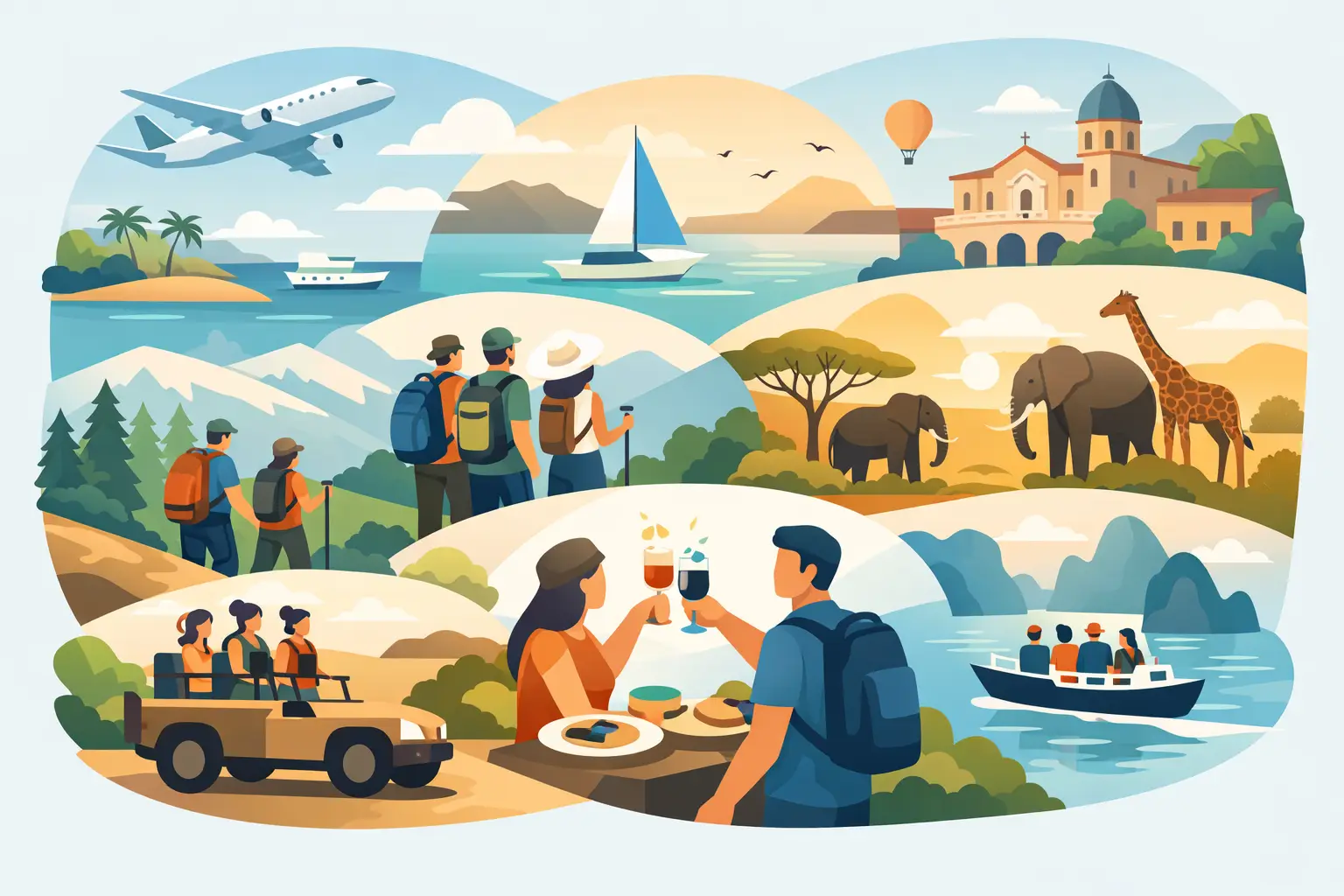
Big coach tour used to signal convenience. Now, for many American travelers, it signals compromise. The strongest small group travel trends reflect a clear shift away from crowded, one size fits all itineraries and toward experiences that feel more personal, more culturally grounded, and far better paced.
That shift is not just about group size. It is about what smaller groups make possible: meaningful conversations with local guides, time in neighborhoods beyond the standard photo stops, easier logistics, and more room for individual interests. For travelers who want structure without feeling processed, that difference matters.
Why small group travel trends are Rising
Travelers have become more selective about how they spend both time and money. After years of seeing how quickly plans can change, many people are prioritizing trips that feel worth the effort – not just scenic, but memorable in a deeper sense. A packed sightseeing schedule with little local context may check boxes, but it rarely delivers the kind of connection people remember years later.
Small groups answer that demand well. They offer a middle path between independent travel and large scale touring. You get the reassurance of professional planning, local guidance, and coordinated logistics, but the experience can still feel flexible and human. That balance is a major reason this segment continues to grow.
Another factor is confidence. Many travelers want to explore destinations that feel exciting and culturally rich, including places they may not want to navigate entirely on their own. A well designd small group journey / Tours offers support without removing the spirit of discovery. For destinations across North Africa, the Middle East, Asia, and parts of Europe, that combination is especially compelling.
The biggest small group travel trends right now
Travelers want depth, not just highlights
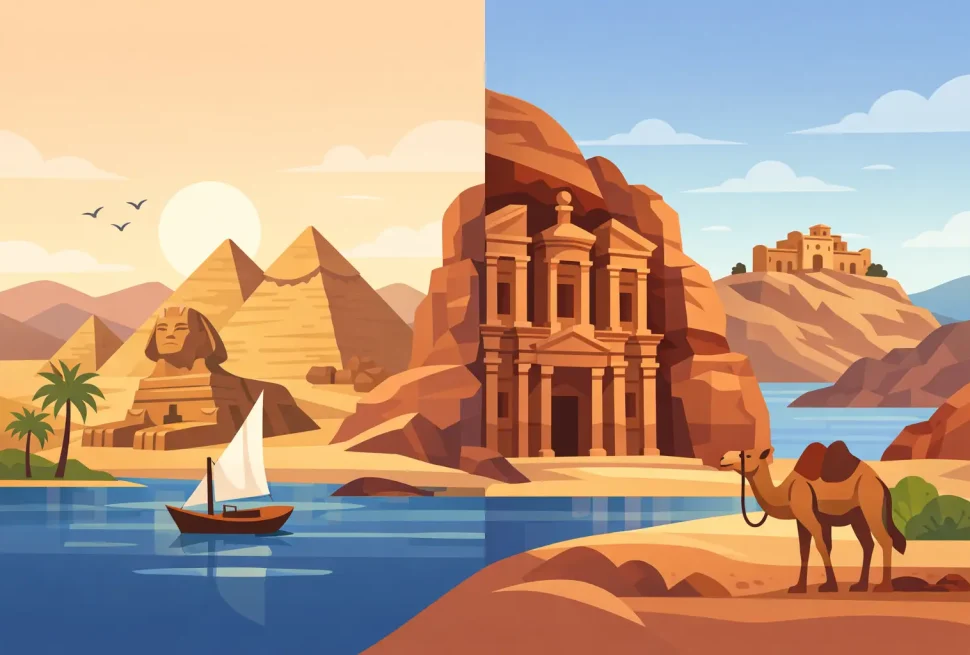
One of the clearest shifts is the move from checklist tourism to cultural immersion. Iconic landmarks still matter, and they should. If you are visiting Egypt, Jordan, or Japan for the first time, you want to see the major sites. But travelers increasingly want those moments placed in a richer context.
That means spending time with guides who can interpret history in a thoughtful way, not just recite dates. It means pairing headline attractions with quieter experiences – a family-run lunch, a walk through a market, a traditional craft workshop, or time in a lesser-known town that reveals how people actually live. The landmark may draw people in, but the local texture is often what makes the trip feel distinctive.
There is a trade off here. Deeper travel usually means fewer stops and a more intentional pace. For many travelers, that is a benefit. For others, especially those trying to cover several countries quickly, it may feel too focused. The best itineraries are honest about that choice.
Smaller numbers are becoming a quality signal
Not all “small groups” are truly small. In the market, that term can mean anything from 10 guests to well over 20. Travelers are paying closer attention to the actual cap because they understand how much it affects the experience.
A group of 8 to 10 moves differently than a group of 18. Restaurant reservations are easier. Guide interaction is more personal. Transportation is usually more efficient. There is less waiting, less fragmentation, and more opportunity to adjust the rhythm of the day when needed. In practical terms, smaller numbers often create a calmer trip.
This matters even more in destinations where space, access, or local interaction shape the experience. A small group can enter a workshop, sit comfortably at a local table, or navigate a historic district without overwhelming the setting. That does not guarantee authenticity, of course, but it makes authentic experiences easier to arrange.
Travelers expect flexibility within a guided structure
The old model of guided touring often left little room to breathe. Today, many travelers want planning support without feeling micromanaged. That is one of the most important small group travel trends because it changes what “guided” is supposed to mean.
People still want airport transfers, hotel coordination, expert-led touring, and smooth overland travel. They also want free time that is actually usable, optional activities that feel thoughtfully chosen, and guides who can respond to the group rather than force every moment into a script. In a small group, that is much more realistic.
Flexibility has limits, though. A well-run itinerary cannot adapt to every individual preference at all times, especially in multi-country or logistically complex destinations. The stronger approach is selective flexibility: enough room for personal interests, rest, and spontaneity, without sacrificing the cohesion that makes the trip run well.
Local guides are valued as cultural ambassadors
Travelers are becoming more discerning about what expert guidance should look like. They do not just want someone to lead them from site to site. They want context, nuance, and the ability to ask real questions.
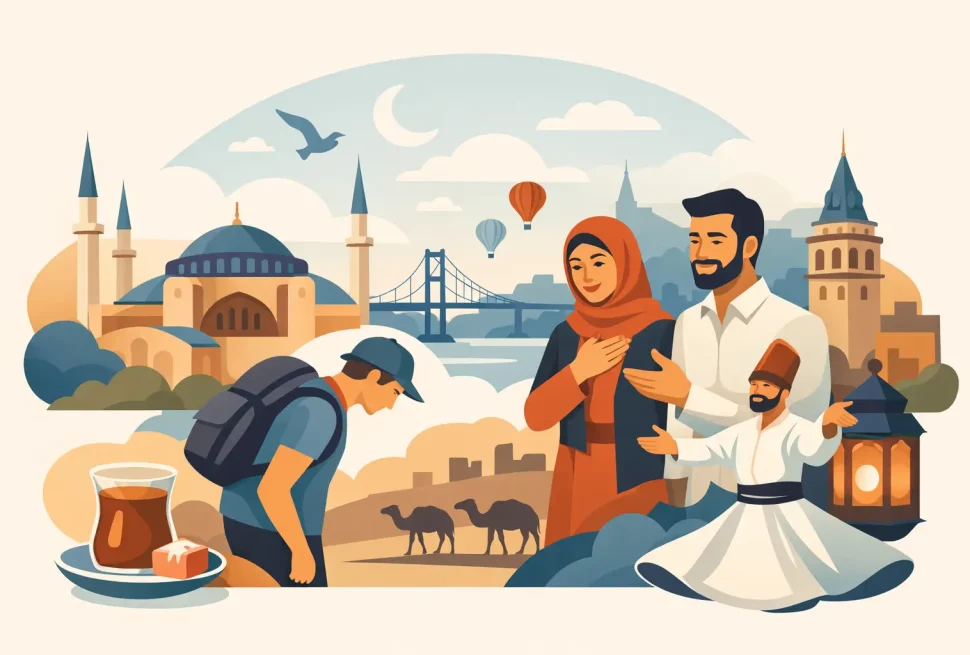
That is why local guides have become central to premium small-group travel. A skilled local guide can explain contemporary life alongside history, clarify customs with sensitivity, and help travelers engage with a destination in a way that feels respectful rather than extractive. This is especially valuable in places where headlines or stereotypes have shaped perceptions more than firsthand experience.
For culturally curious travelers, this kind of guidance is not a luxury add-on. It is part of the trip’s value. It turns a visit into an informed encounter.
Comfort still matters, but not in a generic way
Another notable shift is that travelers are redefining what comfort means. It is not always about the most lavish hotel or the most formal service style. More often, it is about smooth logistics, well-located accommodations, dependable communication, and a pace that does not leave people exhausted.
In small-group travel, comfort and authenticity no longer sit on opposite sides of the table. Many travelers want a boutique riad in Morocco, a heritage stay in India, or a character-filled property in the Balkans – provided it is clean, thoughtfully chosen, and operationally reliable. They are willing to skip sterile sameness if the trade-off is stronger sense of place.
That said, expectations should match the destination. Comfort can look different in Oman than it does in Japan, and different again in Nepal or rural Armenia. Good tour design sets those expectations clearly and builds reassurance through preparation, not overselling.
Solo travelers are driving demand
A growing share of small-group travelers are booking alone. Some are experienced travelers who simply prefer company on the road. Others want to visit destinations that feel more manageable with expert support. In both cases, small-group touring offers a strong solution.
For solo travelers, the appeal is clear: built in community, professional structure, and fewer of the frictions that can come with planning everything independently. A well-matched group can make meals, transfers, and shared experiences feel easier and more enjoyable without creating the social fatigue that larger tours sometimes bring.
This does not mean every solo traveler wants constant togetherness. Many value privacy and downtime just as much as connection. The best small group experiences make room for both.
Emerging destinations are gaining ground
As travelers look for depth and distinction, interest is rising in destinations that offer extraordinary history and culture without the feel of overexposure. Places such as Tunisia, Armenia, Türkiye / Turkey , and parts of the Balkans increasingly appeal to travelers who want something beyond the usual Western European circuit.
Small groups are particularly well suited to these places. They allow for a more informed introduction, smoother on-the-ground coordination, and better access to local insight. For travelers, that often translates into confidence. For the experience itself, it often translates into a stronger sense of discovery.
This does not mean famous destinations are losing relevance. It means travelers are becoming more open to pairing the iconic with the less obvious. That blend is where many memorable itineraries now stand out.
What these trends mean for travelers planning their next trip
The rise of small-group travel is really a rise in expectations. Travelers want more than transportation and hotel bookings wrapped into a package. They want thoughtfully built journeys that respect their time, deepen their understanding, and reduce the stress that can come with complex international travel.
That makes the details more important than the label. Group size cap, guide quality, pace, destination expertise, and clarity around what is included all matter. So does the company’s communication style. Reassurance is not just about emergencies or policies. It starts earlier, with transparent trip design and the sense that someone has considered how the experience will actually feel day to day.
For a company like Atlas Global Tours, this is exactly where small-group travel earns its value in the ability to combine high touch planning, meaningful local access, and the comfort of knowing the major details are handled well. Smaller group meand more comfort. World travel style goes that way.
The broader trend is not complicated. People still want to see extraordinary places. They just want to experience them in a way that feels more personal, more informed, and more worth the journey. If you are choosing your next trip, that is a useful standard to keep.