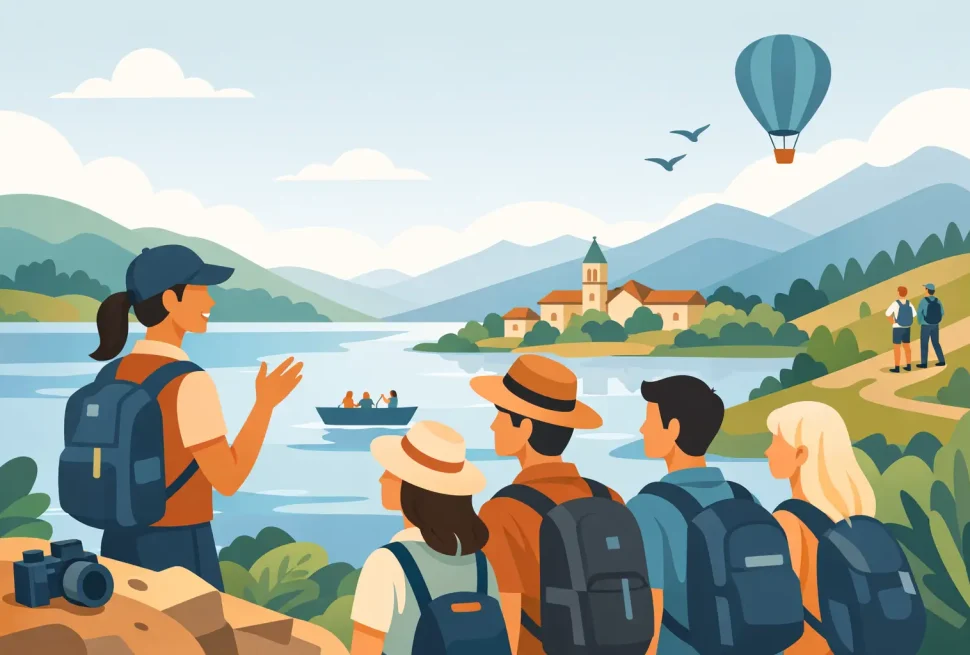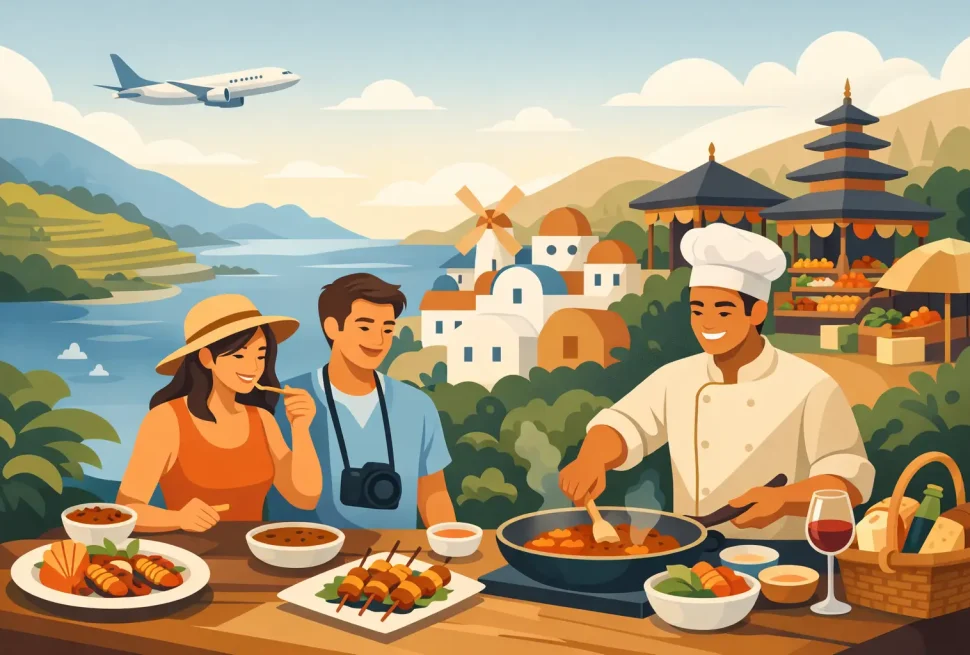
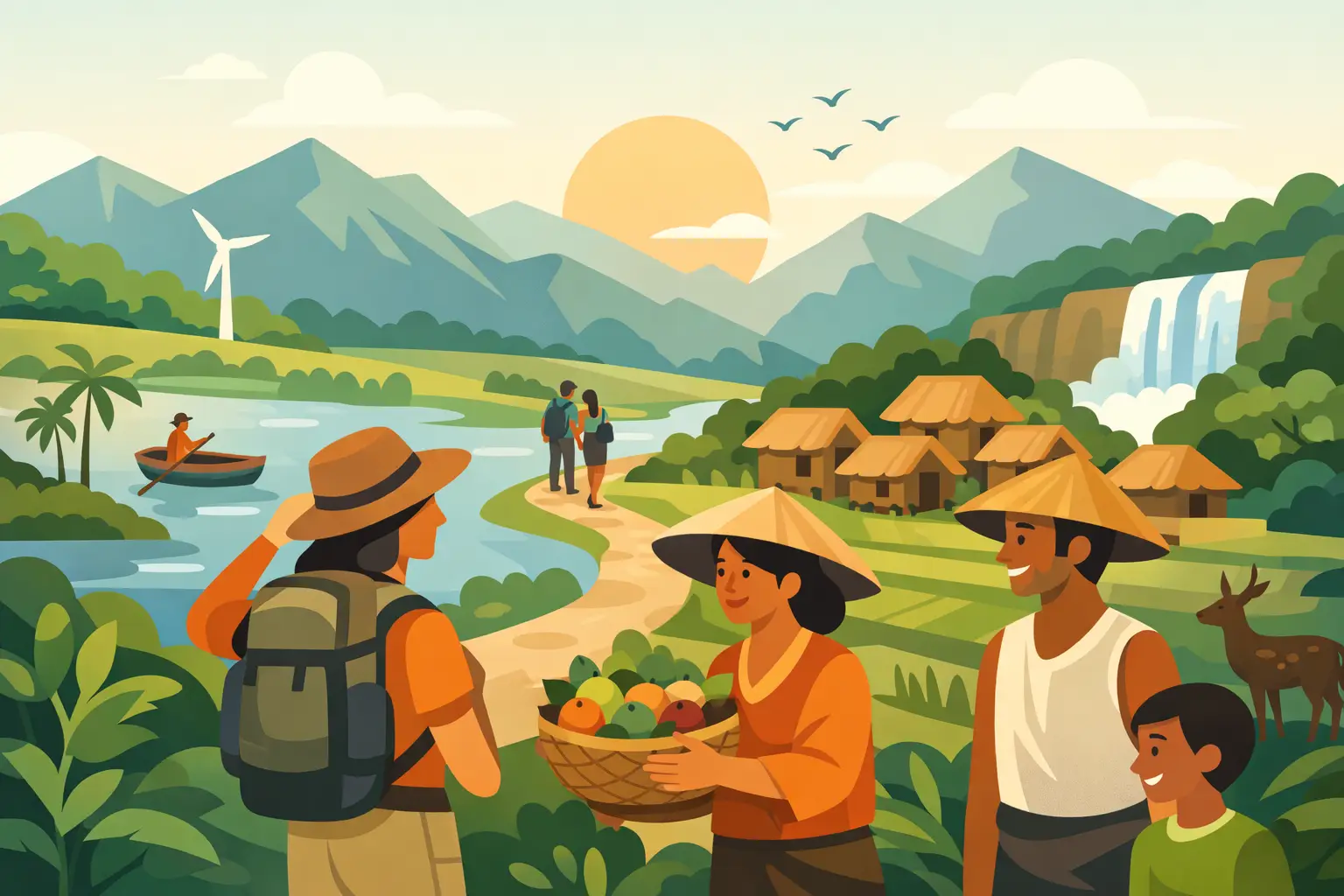
A home-cooked lunch in a family courtyard, a conversation with a craftsperson, a local guide explaining the meaning behind a temple ritual – these are often the memories that stay with travelers longest. Responsible travel with local communities is what makes those moments meaningful rather than extractive. It asks travelers to arrive with curiosity, respect, and a willingness to let local people shape the experience.
For culturally curious travelers, this approach offers more than a feel-good travel philosophy. It creates a richer understanding of a destination while helping ensure that tourism brings real value to the people who welcome visitors. Done well, it balances authentic connection with privacy, comfort, safety, and thoughtful organization.
What Responsible Travel With Local Communities Really Means
Responsible travel is not about trying to live exactly as locals do for a few days or seeking out every experience labeled “authentic.” Culture is not a performance, and communities are not attractions. Responsible travel means making choices that respect residents’ time, traditions, livelihoods, and right to define how visitors engage with their home.
That starts with where your money goes. A locally owned restaurant, family-run guesthouse, neighborhood market, independent driver, and regional guide can keep more tourism income circulating in the destination. It also includes how experiences are designed. A visit should be welcomed by the people involved, fairly compensated, and paced in a way that does not disrupt daily life.
There is no single formula for every destination. In some places, joining a small cooking workshop directly supports a family business. In others, the most respectful choice may be to observe a religious tradition quietly from a designated area rather than seek a closer encounter. Context matters, which is why knowledgeable local guidance is so valuable.
Choose Connection Over Access
Travelers sometimes equate special access with deeper cultural understanding. Yet a meaningful experience does not require entering every private space, photographing every ceremony, or asking strangers personal questions. Respectful connection is built through invitation and exchange.
A local guide can help make that distinction clear. Beyond sharing dates and landmarks, a strong guide explains social customs, appropriate dress, conversation etiquette, and the small gestures that show consideration. In Morocco, that may mean understanding when it is appropriate to photograph in a medina. In Japan, it may mean following quiet etiquette at a shrine. In Jordan or Oman, it may mean recognizing the generosity of hospitality without treating it as an obligation.
Small groups make this easier. Ten travelers arriving at a family-owned workshop is very different from a large coach group filling a narrow village lane or crowding a small storefront. A smaller footprint allows for more natural conversation, more flexibility, and less pressure on hosts.
Ask Before You Photograph
Photography can preserve extraordinary memories, but it also changes the dynamic of an encounter. Always ask before taking a close photo of someone, especially children, artisans at work, religious figures, or people in vulnerable circumstances. A smile is not always consent, and a public setting does not automatically make someone a subject.
When photography is permitted, take the time to engage first. Buy the craft if you admire the work. Learn the person’s name. Put the camera away for part of the experience. The strongest travel memories are not always the ones that fit neatly in a photo album.
Spend With Intention
Supporting local communities does not mean buying things simply out of guilt. It means being thoughtful about purchases and choosing quality, fairly priced goods when possible. In markets where bargaining is customary, negotiation can be part of the exchange. But pushing aggressively for the lowest possible price may matter far more to the vendor than it does to a visitor.
Ask who made an item, where ingredients come from, or whether a shop is family-run. These questions create conversation and help travelers understand the work behind what they purchase. They can also lead to more memorable souvenirs than mass-produced items found in airport shops.
Let Local Experts Lead the Story
A destination is never just its monuments. Its meaning lives in the stories, humor, customs, and everyday knowledge of the people who call it home. Local guides bring this dimension to travel, connecting historic sites to present-day life and helping visitors interpret what they see with greater care.
This is especially important at places with complex histories. A fortress, old quarter, archaeological site, or sacred landscape can hold different meanings for different communities. A guide with local roots can offer perspective that goes beyond a standard script, while also helping travelers avoid assumptions shaped by headlines or stereotypes.
The role of the traveler is to listen generously. Ask informed questions, but leave room for answers that may be complicated or unfamiliar. Not every conversation needs to confirm what you expected to find. Sometimes the most valuable insight comes from seeing a destination with more nuance than you brought with you.
Respect the Rhythm of Daily Life
Communities are not open-air museums, and travel should not interrupt the routines that make a place feel alive. Be attentive in residential neighborhoods, places of worship, schools, farms, and small businesses. Keep voices low when appropriate, follow local rules, and recognize that a beautiful courtyard or quiet street may also be someone’s home or workplace.
Timing matters too. Visiting popular areas early, traveling in a smaller group, and choosing guides who know how to avoid unnecessary congestion can reduce pressure on heavily visited sites. Flexibility is part of responsible travel. If a local celebration, weather event, or community need changes the plan, adapting respectfully is often better than insisting on a fixed itinerary.
Comfort and responsibility can work together. Well-planned travel does not require sacrificing reliable transportation, carefully selected accommodations, or clear communication. It means using that structure to make more thoughtful choices on the ground.
Travel Beyond the Checklist
Iconic landmarks deserve their place. Seeing Petra at sunrise, walking through the temples of Angkor, or standing before the Pyramids of Giza can be deeply moving. But a responsible itinerary gives travelers room to understand the living culture around those places as well.
That may look like sharing a regional meal, visiting a quieter neighborhood with a local guide, learning about traditional music, or stopping at a community-run initiative. These experiences should never be added merely to make an itinerary sound more exotic. Their value comes from the relationship, care, and local knowledge behind them.
Atlas Global Tours designs small-group journeys around this balance: the essential places travelers hope to see, paired with opportunities for genuine cultural exchange. The goal is not to collect experiences. It is to travel with enough time, context, and consideration for the destination to feel real.
A Few Habits That Make a Meaningful Difference
Before departure, learn a few local greetings and review basic cultural norms. During the journey, arrive on time, dress appropriately for the setting, and treat guides, drivers, servers, and hosts as partners in the experience rather than background staff. After returning home, share stories with care, avoiding captions or images that reduce people and places to stereotypes.
Responsible choices also extend to the practical side of travel. Carry a reusable water bottle where safe refill options are available, avoid unnecessary single-use plastics, and follow guidance around wildlife, protected landscapes, and water use. These details may seem small, but in destinations managing heavy visitor demand, they add up.
The best question to carry on any journey is simple: “How can I be a welcome guest here?” It encourages travelers to slow down, notice more, and make room for the people whose knowledge and generosity turn a trip into something lasting.