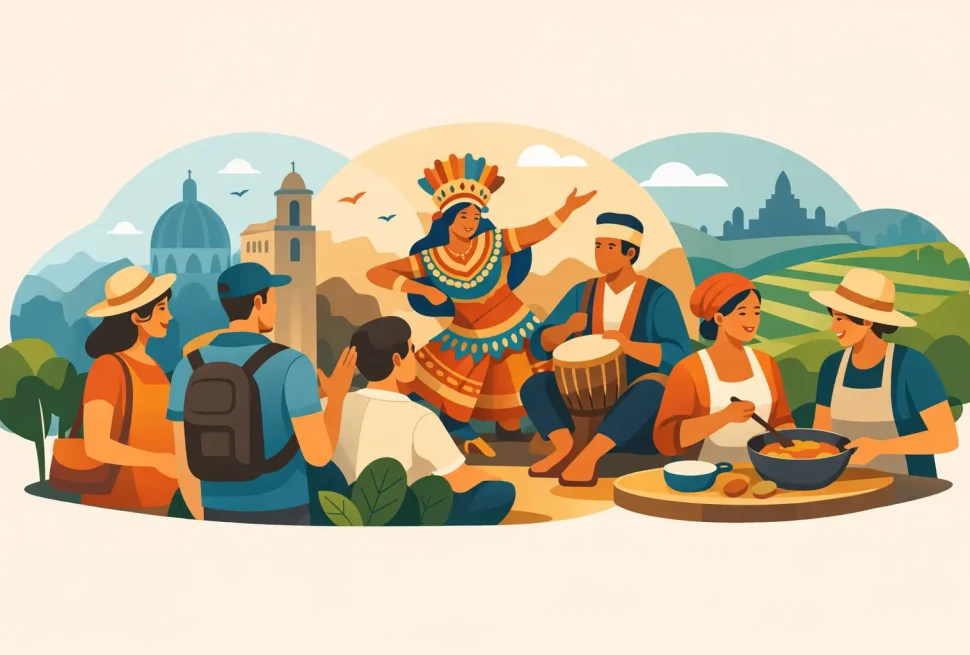
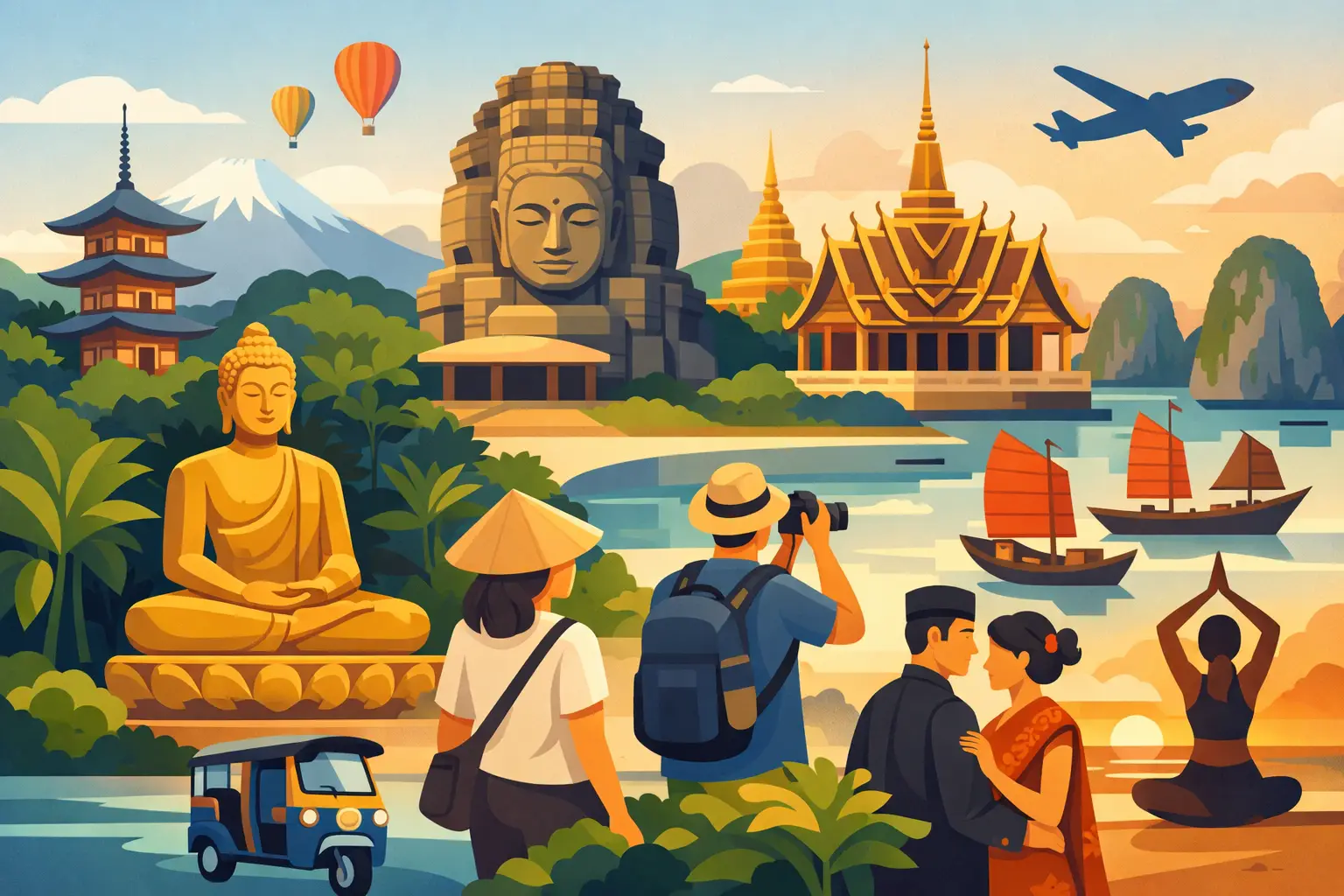
A dawn prayer drifting over Kyoto’s temple roofs, the scent of cardamom in an Old Delhi market, a home-cooked meal in an Armenian village – these are the moments that make the best cultural trips in Asia feel personal rather than packaged. Asia is not one experience, and its vastness is precisely the point. The right journey pairs famous places with time to understand the people, traditions, and everyday rhythms that give them meaning.
For travelers who want more than landmark photos, cultural travel is about context. It means visiting a monument with a guide who can explain its living significance, sharing regional food where it is prepared with care, and leaving room for conversations that do not appear on a standard sightseeing schedule.
What Makes the Best Cultural Trips in Asia Different?
A culturally rich itinerary should not try to cover an entire country in a few rushed days. The most rewarding trips concentrate on a region or follow a logical route, allowing you to notice the differences in architecture, language, cuisine, and customs from one stop to the next.
Local guidance matters just as much. A great guide can explain why shoes come off before entering a home or sacred site, help travelers approach religious traditions respectfully, and introduce the stories behind a neighborhood that might otherwise look like another busy street. Small groups make these encounters more natural. They can enter family-run restaurants, ask thoughtful questions, and adjust when an unexpected local celebration is worth lingering for.
Japan: Ritual, Craft, and Modern Life
Japan offers an extraordinary balance of ancient practice and forward-looking city life. In Kyoto, quiet temple gardens, tea traditions, and preserved wooden districts reveal a culture shaped by attention to detail. Nara adds monumental Buddhist art and sacred landscapes, while Tokyo shows how contemporary design, food culture, and centuries-old shrines can coexist within one electrifying city.
The cultural reward comes from slowing down. A carefully paced Japan itinerary may include a traditional inn stay, a market visit, a regional meal, and time in smaller historic towns alongside the better-known cities. Spring and fall are especially appealing, but they are also busy. Winter can be a compelling alternative for travelers who prefer fewer crowds and do not mind colder weather.
India: A Journey Through Living History
India is one of Asia’s most layered cultural destinations, but it asks travelers to arrive with curiosity and flexibility. The pace, sensory intensity, and diversity can feel exhilarating, particularly in the north, where Mughal forts, Hindu temples, Sikh gurdwaras, and lively bazaars often sit within the same day’s route.
Delhi, Agra, Jaipur, and Varanasi create a powerful introduction to India’s history and spiritual traditions. Yet the most memorable moments may happen between major sites: watching artisans at work, learning the regional logic of a thali meal, or hearing a local guide explain the rituals along the Ganges. India works particularly well with thoughtful planning, comfortable accommodations, and guides who know how to make a complex destination feel welcoming without oversimplifying it.
Nepal: Culture Set Among the Himalayas
Nepal is often associated with trekking, but its cultural heritage deserves equal attention. In the Kathmandu Valley, ornate Newar architecture, Buddhist stupas, Hindu temples, and traditional courtyards reflect centuries of trade, artistry, and devotion. Patan and Bhaktapur offer a more intimate counterpoint to Kathmandu’s energetic streets.
A cultural trip here can include a scenic Himalayan viewpoint without requiring a demanding trek. This makes Nepal a strong choice for travelers drawn to mountain landscapes but more interested in heritage, spirituality, and local life than expedition-style travel. Respectful dress at religious sites and sensitivity around photography are essential, and knowledgeable local guidance provides welcome clarity.
Armenia: Ancient Faith and Generous Hospitality
For travelers looking beyond Asia’s most familiar routes, Armenia delivers remarkable depth in a compact country. Its stone monasteries sit against dramatic mountains and gorges, while Yerevan brings together café culture, Soviet-era history, contemporary art, and a distinctly warm sense of welcome.
Armenian culture is often experienced around the table. Lavash baking, regional wines, seasonal produce, and long shared meals create natural opportunities for connection. The country’s Christian heritage is central to many historic sites, but its story is far broader, shaped by ancient kingdoms, Silk Road exchange, diaspora, and resilience. A well-designed route gives each of these layers room to surface.
Turkiye: Where Empires Meet at the Table
Turkiye is ideal for travelers who want history to feel immediate. Istanbul alone spans Byzantine, Ottoman, and modern Turkish worlds, with landmark mosques, former imperial spaces, bustling bazaars, and waterside neighborhoods all within reach. Beyond the city, Cappadocia’s carved landscapes and ancient settlements offer a completely different setting.
Food is a meaningful entry point here, not an add-on. A cultural itinerary should make room for Turkish breakfast, regional kebabs, market tastings, and the rituals of tea or coffee. The best experience is not a race between headline attractions. It is an itinerary that explains how the country’s geography and empires shaped the lives, flavors, and communities travelers encounter today.
Oman: Arabia Beyond the Skyline
Oman offers a quieter, more grounded introduction to the Arabian Peninsula. Muscat’s mosques, museums, and harbor reveal a long maritime history, while traditional markets and coastal villages show a daily culture that remains closely connected to place. Inland, mud-brick towns, forts, date groves, and mountain roads add another dimension.
This is a destination for travelers who value thoughtful pacing. Distances can be significant, and the climate requires sensible planning, particularly in warmer months. In return, Oman offers striking landscapes and an atmosphere of hospitality that feels refreshingly unhurried. Modest dress and awareness of local customs are not restrictions – they are part of traveling with consideration.
Tunisia: Mediterranean, Arab, and Amazigh Heritage
Tunisia brings together Roman sites, Islamic medinas, Amazigh traditions, and Mediterranean color in a manageable journey. Tunis and the ancient ruins of Carthage provide an engaging start, while Kairouan, desert communities, and coastal towns reveal how varied the country’s cultural landscape can be.
Travelers may recognize Tunisia from images of blue-and-white villages or Sahara dunes, but its deeper appeal lies in its contrasts. One day can move from Roman mosaics to a traditional market; another from a fortified granary to a home-style couscous meal. It is an especially rewarding choice for travelers who want North African cultural depth with a route that feels approachable and well connected.
How to Choose a Cultural Journey That Fits You
The right destination depends less on checking off a famous country and more on the kind of connection you hope to make. Japan suits travelers drawn to ritual, aesthetics, and refined urban culture. India rewards those ready for intensity and immense diversity. Nepal blends spiritual heritage with mountain scenery, while Armenia offers history and hospitality on a more intimate scale.
Consider the pace, too. If you prefer gentle days and time to absorb what you see, choose a route with fewer hotel changes and at least two nights in key places. If food is central to your travel style, prioritize destinations where markets, regional meals, and cooking traditions are built into the experience rather than squeezed between attractions.
Small-group travel can make the difference between seeing a place and feeling welcomed into it. With groups capped at 10 travelers, Atlas Global Tours designs journeys around meaningful encounters, capable local guides, and the reassurance of carefully managed details. You still have the freedom to be present, because the complicated logistics have already been handled.
The most lasting cultural trips do not promise that you will fully understand a country in one visit. They offer something better: enough perspective to return home with sharper curiosity, deeper respect, and memories that continue to unfold long after the suitcase is put away.