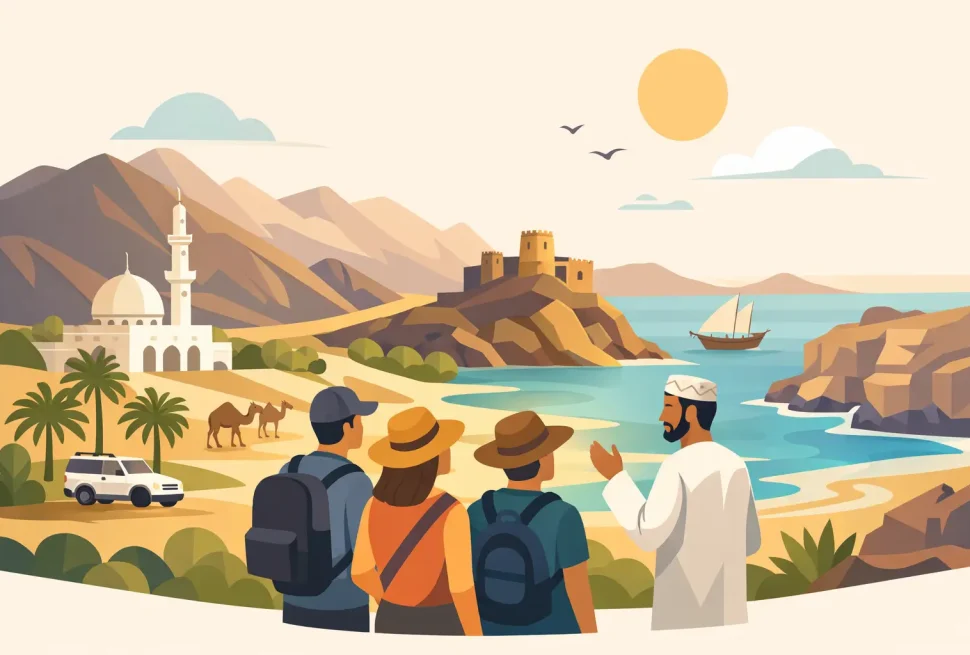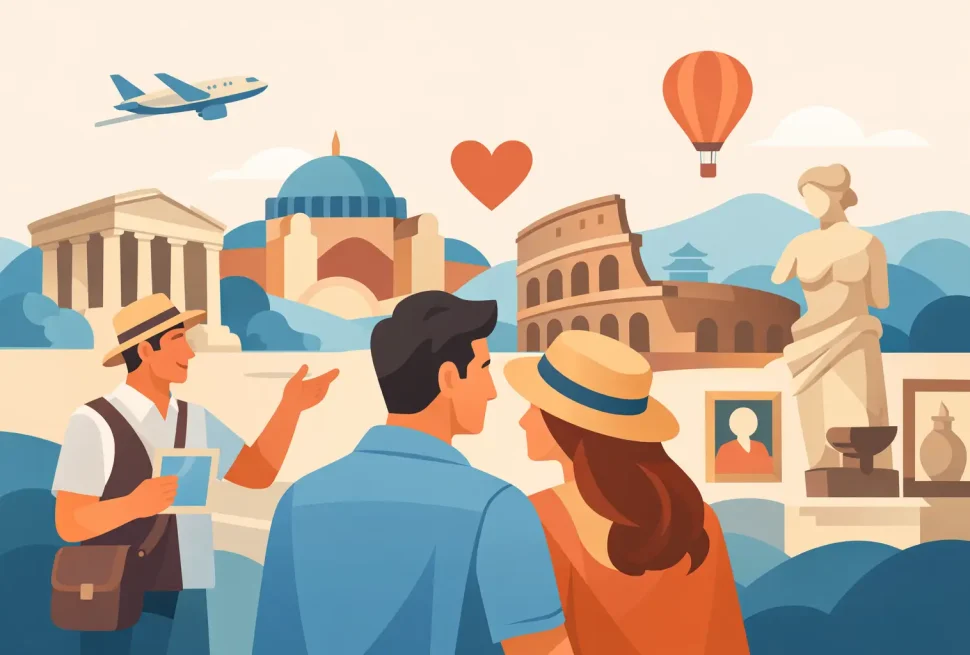
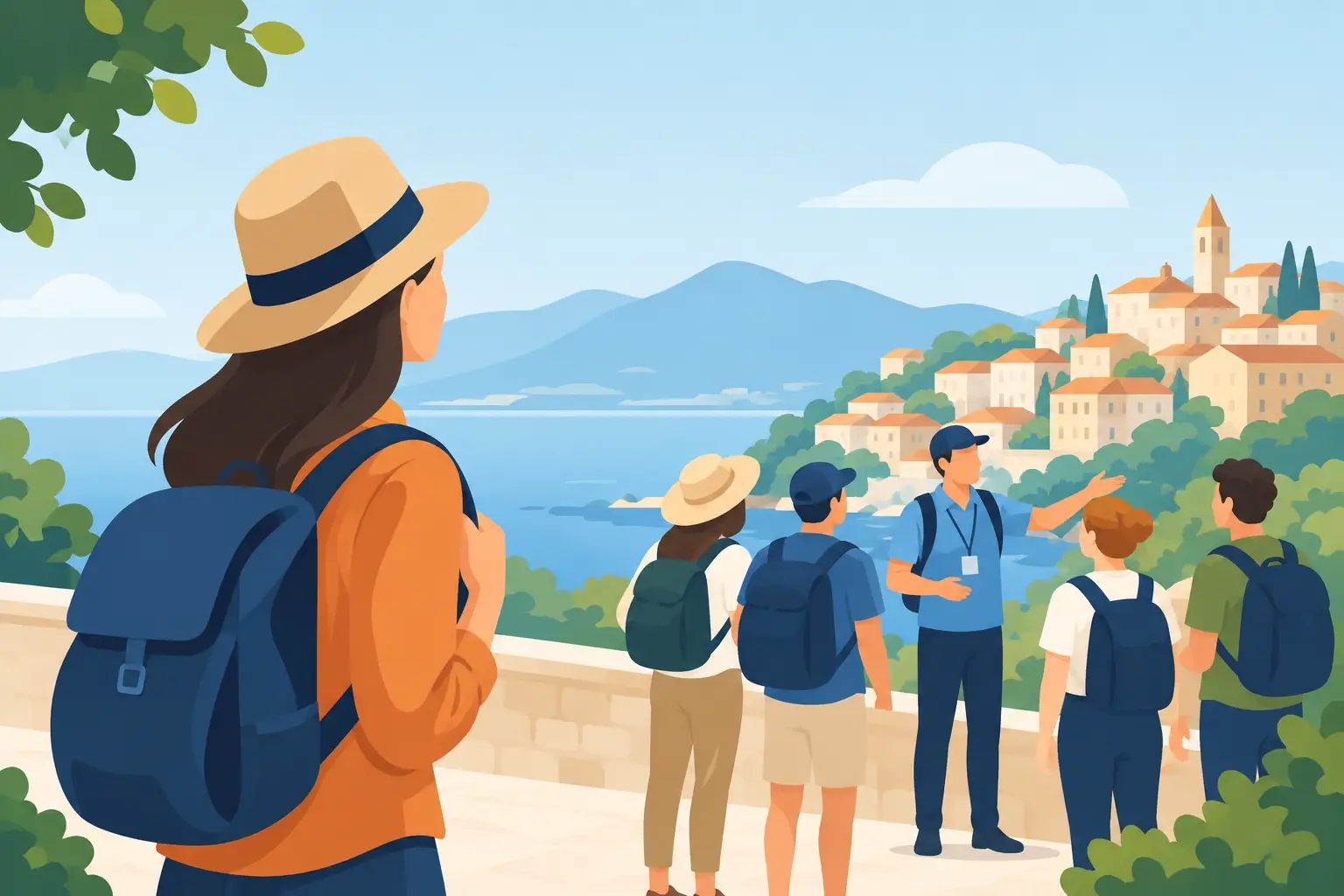
Arriving at a riad in Morocco, sharing a home-cooked meal in rural Armenia, or watching sunrise over Petra can be even more rewarding when the planning pressure is off. So, can solo travelers join tours? Absolutely. A thoughtfully designed small-group tour gives independent-minded travelers the freedom to experience a destination deeply, with trusted logistics, local perspective, and people to share the memorable moments with.
For many solo travelers, the appeal is not giving up independence. It is choosing where independence matters most: in the experience itself, rather than in managing airport transfers, hotel check-ins, local transport, and unfamiliar customs alone.
Can Solo Travelers Join Tours Without Feeling Out of Place?
Yes. Solo travelers are often among the most engaged people on a small-group journey. They arrive open to conversation, curious about local life, and ready to participate. On the right tour, you are not joining a pre-existing clique or being placed on a crowded coach with dozens of strangers. You are part of a deliberately limited group, traveling through a destination with enough structure to feel supported and enough room to remain yourself.
A group capped at 10 travelers changes the entire rhythm of the trip. It is easier to get to know fellow guests over dinner, ask your guide thoughtful questions, and adapt to a moment that deserves more time. You might start the week with a shared transfer and end it with new friends who understand why a family-run bakery in Istanbul or a quiet temple morning in Japan meant so much.
That said, the fit matters. A well-designed tour welcomes solo guests without expecting everyone to socialize every minute. Look for an itinerary that balances shared experiences with personal time, rather than filling every hour simply to keep a group occupied.
Why Guided Small-Group Travel Works for Solo Guests
Traveling alone can be wonderfully liberating, but certain destinations demand more advance coordination than others. Multi-country journeys, remote landscapes, complex entry requirements, language barriers, and late-night arrivals can turn a simple itinerary into a chain of small decisions. A guided tour handles those details while preserving the discovery that made you want to travel in the first place.
The practical reassurance is especially valuable in destinations where local knowledge shapes the experience. A knowledgeable local guide can explain the traditions behind a meal in India, help you navigate a market in Tunisia with respect, or put an ancient site in Egypt into historical context. This is not just easier than reading a guidebook. It creates more meaningful encounters because you understand what you are seeing and how to engage thoughtfully.
There is also a social advantage that does not feel forced. Solo travel can involve many wonderful brief interactions, but it may not always provide a dependable circle for a long dinner, a scenic train ride, or a free afternoon in a new city. Touring with a small group offers companionship when you want it, without requiring you to coordinate an entire trip around someone else’s preferences.
The Details Solo Travelers Should Check Before Booking
Not every tour is equally suited to solo guests. Before reserving a place, read the itinerary closely and ask clear questions about the pace, accommodations, included services, and group size. The goal is not to find a tour that removes every unknown. It is to choose one where the important details have been considered with care.
Understand the Single Supplement
Most tours price accommodations based on two people sharing a room. If you prefer a private room, a single supplement may apply to cover the full cost of that space. This is common across the travel industry, particularly when hotels have limited room types or when the itinerary includes distinctive boutique properties.
A supplement can be worthwhile for travelers who value quiet time and a consistent private retreat at the end of the day. However, it is worth asking whether room-sharing options are available and how they are arranged. Never assume a roommate match will be possible, and never book based on an unclear rooming policy. Transparent information is part of traveling with peace of mind.
Consider the Group Size and Travel Style
“Small group” can mean very different things. A group of 10 feels fundamentally different from one of 25 or 40. Smaller numbers make it easier to hear your guide, dine at local restaurants, enter smaller cultural sites, and build genuine rapport with fellow travelers.
Also consider what the itinerary prioritizes. Some trips focus heavily on nightlife or fast-paced city hopping, while others are designed around history, food, landscapes, and conversations with local communities. If you are looking for cultural connection rather than a party atmosphere, choose an operator whose pace and values reflect that.
Ask About Free Time and Support
Free time is one of the great benefits of a guided journey, provided it is planned well. An afternoon to wander a neighborhood, visit a museum at your own pace, or settle into a café can make a trip feel personal. Yet solo guests should also know where to turn if plans change.
Ask whether your guide can offer neighborhood suggestions, help arrange safe local transportation when needed, and provide practical advice for independent time. The best support is present but not intrusive. You should feel comfortable stepping out on your own while knowing you have a knowledgeable team to rely on.
Safety, Confidence, and Cultural Respect
No travel arrangement eliminates every risk, and solo travelers should still use sound judgment. Keep copies of key documents, protect valuables, stay aware of local customs, and communicate with family or friends about your itinerary. Travel insurance and a clear understanding of entry requirements are sensible parts of any international trip.
A guided small-group experience adds useful layers of support. You have scheduled transportation, vetted accommodations, local guidance, and fellow travelers who know where you are expected to be. If a flight delay, lost bag, or unexpected change occurs, you are not left to solve every issue alone in an unfamiliar place.
Cultural confidence matters, too. In places with different norms around dress, photography, greetings, tipping, or public behavior, a local guide helps travelers move with awareness rather than anxiety. That guidance protects the quality of the experience for everyone. It allows you to be a welcome guest, not simply a visitor passing through.
How to Get the Most From a Tour as a Solo Traveler
Come with curiosity, but do not pressure yourself to become the social organizer. Start with small conversations at breakfast or during a transfer. Ask fellow travelers what drew them to the destination. Join a shared dinner when it appeals to you, and take a quiet walk or read in your room when you need space. Both choices are entirely valid.
It also helps to arrive with one or two personal interests in mind. Perhaps you care about architecture, regional food, textiles, photography, or religious history. Share that interest with your guide. Small groups make it easier for guides to offer a useful recommendation, point out a detail you might otherwise miss, or suggest how to spend a free hour well.
Be realistic about flexibility. A curated tour follows a shared schedule, so it will not suit someone who wants to change cities every morning or make every decision spontaneously. In return, you gain access, ease, and context that can be difficult to arrange independently. For many solo travelers, that is an excellent trade: less time troubleshooting and more time fully present in the destination.
A Better Way to Travel Alone, Together
The strongest tours do not treat solo travelers as an afterthought. They create an environment where every guest can feel looked after, informed, and welcome. Atlas Global Tours designs intimate journeys around cultural depth, carefully selected local experiences, and the reassurance of a well-organized trip, making it easier to travel independently without carrying the entire logistical load yourself.
Your next journey does not need to wait for a friend’s calendar to clear. Choose a destination that calls to you, a group size that feels comfortable, and an itinerary with room for both connection and reflection. The table, trail, temple, or historic square where you make your best travel memory may be waiting for you to arrive on your own.