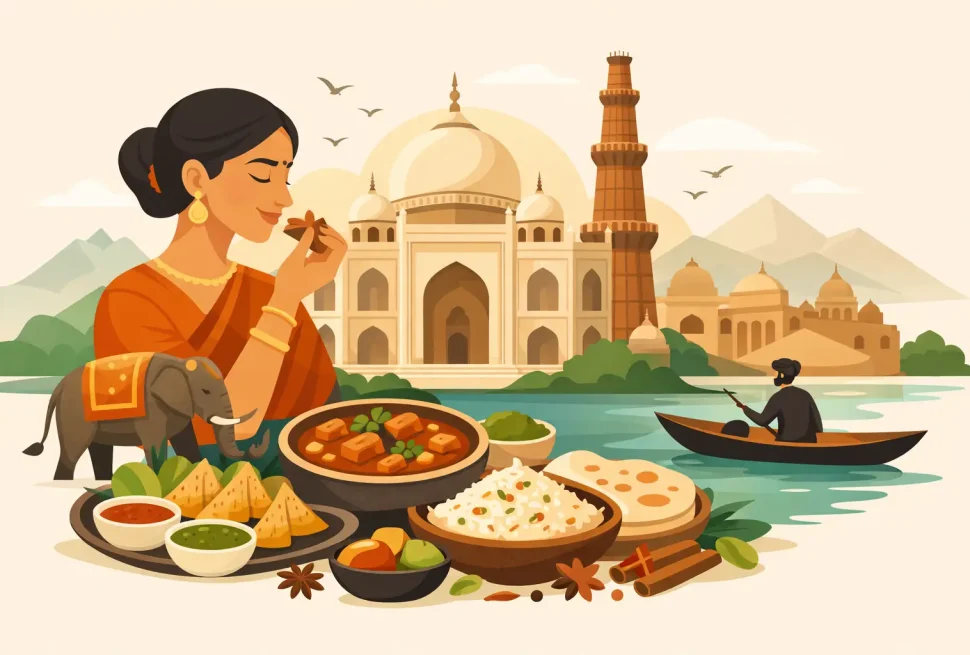

A clay oven warming before dawn in Jaipur, a family table set beneath olive trees in Jordan, a tea seller measuring fragrant leaves in Morocco – these moments can tell you as much about a place as any monument. Culinary tourism is not simply about finding a memorable restaurant. It is the chance to understand a destination through the ingredients people grow, the dishes they prepare, and the rituals they share around the table.
For culturally curious travelers, food adds a human dimension to an itinerary. It can turn a visit to a historic market into a conversation about trade routes, religion, migration, and daily life. It can make an evening meal feel less like a reservation and more like an invitation into the character of a country.
What Culinary Tourism Really Means
Culinary tourism is travel shaped in part by food and drink experiences. That can include a street-food walk with a local guide, a home-cooked lunch, a visit to a spice market, a vineyard tasting, a cooking class, or a meal that reflects a region’s distinct history. The strongest experiences connect flavor to context.
Consider the difference between ordering a dish and learning why it is served. In Turkiye, a breakfast spread can introduce regional cheeses, preserves, breads, and the unhurried social rhythm of morning. In Japan, a carefully prepared seasonal meal reflects a deep attention to ingredient quality, presentation, and the time of year. In Morocco, a tagine is not just a recognizable dish – it is a window into shared meals, local produce, and centuries of culinary exchange.
That context matters because food is never separate from place. Climate determines what grows. Faith and tradition influence what is prepared. Trade brings new spices and techniques. Families preserve recipes while adapting them to modern life. A meaningful meal helps travelers see these connections without turning local culture into a performance.
Why Food Creates a More Personal Journey
Iconic landmarks deserve their place on a well-planned trip. Yet travelers often remember the smaller moments with equal clarity: the first taste of cardamom coffee in Oman, the aroma of fresh bread from a neighborhood bakery, or a host explaining why a particular dish appears at celebrations.
Food naturally lowers the distance between visitor and resident. You may not share a first language, but you can appreciate a meal, ask about an ingredient, or learn the polite way to accept tea. These encounters create room for genuine exchange, especially when guided with care and respect.
They also add welcome texture to days of sightseeing. After walking through ancient temples, royal cities, or archaeological sites, a thoughtfully chosen meal offers time to absorb what you have seen. Rather than racing from one photo stop to the next, travelers can settle into a destination’s pace.
For solo travelers and couples, culinary experiences can be especially rewarding within a small group. A shared table makes conversation easy, while knowledgeable local guidance removes the uncertainty of choosing where to go or how to order. The result is independence in spirit, with practical support close at hand.
The Difference Between Eating Well and Traveling Well
A great meal alone does not guarantee a great culinary travel experience. The setting, timing, guidance, and relationships behind it all matter. A famous restaurant may be worthwhile, but it can also feel detached from the local life travelers came to understand. Conversely, an unassuming lunch can become extraordinary when it is part of a wider story about a neighborhood, farming tradition, or family craft.
This is where thoughtful trip design makes a difference. The best food experiences fit naturally into the route rather than being added as a generic attraction. A market visit is more meaningful before a regional cooking lesson. A lunch in a mountain village has greater resonance when travelers understand the landscape and agricultural traditions that sustain it. A tasting is stronger when there is enough unhurried time to ask questions.
There are trade-offs. Seeking out every celebrated restaurant can consume time, require formal reservations, and push an itinerary toward familiar tourist districts. Choosing only street food can be exciting but may not suit every traveler’s comfort level or dietary needs. The right balance depends on the destination, the group, and the kind of cultural connection you hope to have.
How to Experience Culinary Tourism Respectfully
Food is a generous entry point into another culture, but it still calls for curiosity and consideration. Arrive ready to try what is local, while being honest about allergies, dietary restrictions, and personal limits. A well-organized tour should communicate these needs clearly in advance, not leave travelers to manage them at the table.
It also helps to follow local cues. In some places, meals begin later than many Americans expect. In others, sharing plates is customary, tea is offered as a gesture of hospitality, or a host may encourage a second helping. You do not need to abandon your preferences, but a little flexibility often leads to the most rewarding moments.
Ask questions that go beyond “What is this?” Try asking where an ingredient comes from, when a dish is usually served, or what people cook at home during holidays. These questions invite stories rather than transactions. They also signal that you value the people preparing the food, not just the photograph on your plate.
Finally, remember that authenticity is not measured by discomfort. You can enjoy a neighborhood food stall, a family-run restaurant, and a refined regional meal on the same journey. Comfort, hygiene, pacing, and clear communication are not barriers to immersion. They are what allow many travelers to engage with confidence.
Where Culinary Tourism Shines
Some destinations are especially well suited to travelers who want to experience culture through food. In India, regional cuisines vary dramatically from one state to the next, shaped by climate, religion, and local agriculture. A meal in Rajasthan may feel entirely different from one in Kerala, even when familiar spices appear in both.
Japan rewards attentive eaters with extraordinary regional detail, from market snacks to seasonal specialties and carefully composed multi-course meals. In Egypt and Jordan, breads, grilled meats, legumes, herbs, and sweets reveal the hospitality and shared-table traditions of the Middle East. Morocco offers layers of Amazigh, Arab, Andalusian, and Mediterranean influence in every market and kitchen.
The Balkans, Armenia, Tunisia, Nepal, and Oman offer equally compelling food stories, often with less predictable flavors and fewer standardized visitor experiences. This is where local guides become invaluable. They can explain what is regional, help navigate unfamiliar menus, and introduce places that are respected by residents rather than selected only for tourist visibility.
At Atlas Global Tours, small-group travel creates the flexibility for these encounters to feel personal. With no more than 10 travelers, there is more room for conversation, dietary coordination, and the spontaneous discoveries that larger coach tours often miss.
Choosing a Culinary-Focused Guided Tour
When comparing guided trips, look beyond phrases such as “local cuisine” or “authentic meals.” Ask how food experiences are woven into the itinerary. Are meals chosen for convenience, or do they reveal something specific about the destination? Is there time to visit markets, meet local hosts, or explore regional specialties? Will travelers have guidance when navigating cultural etiquette and dietary questions?
Group size matters as well. Smaller groups can more easily sit at family-run restaurants, visit intimate workshops, and adjust when a local opportunity arises. They also create a more relaxed atmosphere at the table, where a guide can answer questions and fellow travelers can exchange impressions without the rush of a large departure.
The most reassuring tours pair that intimacy with strong planning. Clear inclusions, reliable transportation, knowledgeable local guides, and responsive support allow travelers to enjoy a new dish or unfamiliar dining custom without worrying about the logistics behind it. That balance is especially valuable in destinations where menus, schedules, or dining practices may differ from what you know at home.
The meal you remember most may not be the most elaborate one. It may be warm flatbread passed around a table, a cup of tea offered after a long day, or a regional dish whose story stays with you long after the last bite. Leave space for those moments. They are often where a destination begins to feel less like a place you visited and more like a place you understood.