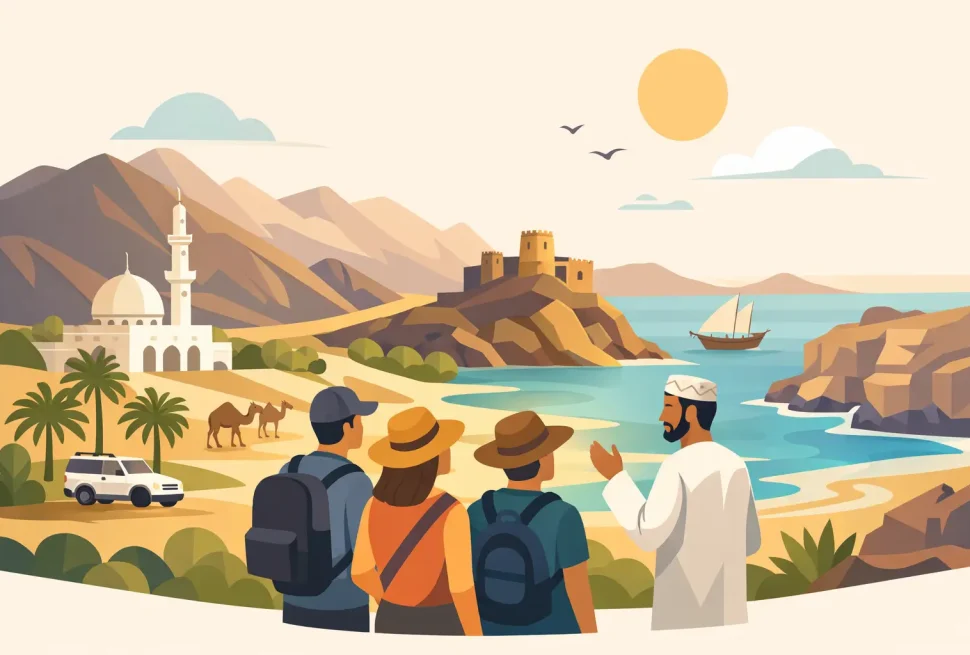

A trip can look perfect on paper and still feel impersonal once you arrive. That is usually the difference between a standard tour and the best small group guided tours. The right journey does more than move you between landmarks. It gives you time to absorb a place, ask better questions, and experience the moments that rarely happen when a bus of forty people is all following the same flag.
For travelers who want meaningful cultural experiences without the stress of planning every detail alone, small group touring offers a compelling middle ground. You keep the confidence of a professionally organized itinerary, but gain more access, more flexibility, and more personal attention along the way. The key is knowing what actually makes one tour worth your time and investment.
What makes the best small group guided tours different
Small group travel is not just a marketing phrase. Group size changes the entire shape of a trip. When a tour is genuinely small, the pace is more manageable, hotel check-ins are easier, and meals, transportation, and site visits feel less mechanical. You are not constantly waiting for a crowd to reassemble, and your guide has enough space to tailor the experience to the group rather than simply keeping everyone on schedule.
That matters even more in destinations where culture is best understood through context. In places like Morocco, Japan, Jordan, or India, the most memorable parts of the journey often happen in conversation – with a local host, a market vendor, a family-run restaurant owner, or a guide who can explain not only what you are seeing, but why it matters.
The best tours also balance structure with breathing room. Too much independence and travelers can feel unsupported. Too much scheduling and the trip becomes a checklist. Strong small group itineraries know when to lead and when to leave space for wandering a medina, lingering at a café, or taking in a historic site without feeling rushed.
Why group size matters more than most travelers expect
A company may describe its trips as small group tours, but there is a meaningful difference between 10 travelers and 20. Once groups grow, the experience often starts to resemble conventional escorted tourism, even if the branding says otherwise.
With a truly intimate group, guides can answer individual questions, adjust for varying energy levels, and create a more conversational atmosphere. That is especially valuable for solo travelers and couples who want a social experience without feeling swallowed by a crowd. Smaller numbers also open the door to places larger groups cannot comfortably visit, from boutique riads and heritage stays to small restaurants and neighborhood experiences.
There is a trade-off, of course. Very small groups can cost more because the per-person economics are different. But for many travelers, that premium pays off in quality of experience, ease, and a noticeably more personal trip.
How to evaluate the best small group guided tours
Look beyond the headline itinerary
Most tours can list major landmarks. That alone does not tell you much. A stronger question is how the itinerary is built. Does it combine headline sites with less obvious experiences? Is there enough time in each destination to go beyond a surface-level stop? Are travel days paced reasonably, or does every day look packed from morning to night?
A well-designed itinerary should feel intentional, not crowded. Seeing Petra, the Pyramids, or Kyoto’s temples is important, but so is understanding what surrounds those icons. A cooking experience, a neighborhood walk, time with a local artisan, or an evening in a smaller town can turn a good trip into one that stays with you.
Pay attention to the guide model
Not all guided tours are guided in the same way. Some rely on a tour manager who focuses mainly on logistics. Others are shaped by knowledgeable local guides who bring historical, cultural, and contemporary perspective to the journey.
For culturally curious travelers, this distinction matters. A strong guide does more than recite dates. They help you read the destination with more nuance. They explain customs, bridge language gaps, and make travelers feel both welcomed and informed. In destinations with layered histories and strong local traditions, that kind of guidance changes the trip entirely.
Check how much flexibility is built in
The best small group guided tours should not feel rigid. That does not mean unstructured. It means there is room for traveler choice within a well-organized framework.
Maybe that looks like a free afternoon in Istanbul, optional time to explore a souk in Marrakech, or a slower morning after a major sightseeing day. Flexibility is especially important for experienced travelers who want support without feeling managed every minute. If every meal, movement, and stop is predetermined, the trip may feel efficient but not particularly personal.
The role of comfort, trust, and logistics
Cultural immersion sounds appealing until logistics start to unravel. Flights are delayed, transfers get confusing, hotel standards vary, and language barriers become real. One of the biggest advantages of a well-run guided tour is not just what you see. It is how much friction is removed behind the scenes.
That is where trust becomes central. Travelers should know who is organizing the trip, how clearly expectations are communicated, and what level of support exists before and during travel. For many American travelers, especially when visiting destinations that feel more logistically complex, peace of mind is not a bonus. It is part of the value.
This is also where the operator’s style matters. Some companies prioritize low prices and high volume. Others focus on thoughtful pacing, reliable coordination, strong accommodations, and a more personal traveler experience. Neither model serves the same audience. If you care about cultural depth and want details handled well, the cheapest option is rarely the strongest one.
Best small group guided tours for different travel styles
Not every traveler defines best the same way. That is worth acknowledging upfront.
For some, the best tour is history-forward, with expert commentary and in-depth site visits. For others, it is more sensory and local, centered on food, neighborhoods, and everyday culture. Some travelers want a physically active itinerary with long walking days. Others want a more balanced pace with comfort built in.
This is why the best fit usually comes from alignment, not simply reputation. A tour that feels perfect for a retired couple interested in archaeology may not suit a solo professional looking for culinary experiences and free time. The strongest companies are clear about what kind of journey they offer, who it is designed for, and how the experience feels on the ground.
For travelers drawn to destinations across Asia, Europe, North Africa, and the Middle East, this balance is especially important. These regions reward curiosity, but they also benefit from good planning and trusted local insight. That is where a company like Atlas Global Tours stands apart – with groups capped at 10, culturally rich itineraries, and a travel style built around personal attention rather than mass-market volume.
Questions worth asking before you book
A polished website can only tell you so much. Before committing, it helps to look at the experience through a practical lens. How many travelers are actually on the trip? Who leads it on the ground? How much walking is involved? What is included, and what is left flexible? Is the pacing comfortable for the way you like to travel?
It is also worth considering how a company communicates. Clear pre-trip information, transparent inclusions, and responsive support often signal how the trip itself will be managed. If the planning process feels vague or inconsistent, that may carry over once you are abroad.
Finally, think about what kind of memories you want to come home with. If your goal is simply to see as many places as possible, a larger, faster-moving tour may work. If you want a trip that feels informed, personal, and genuinely connected to place, smaller and better curated is usually the better choice.
The best journeys rarely come from seeing more. They come from experiencing a destination well, with enough structure to feel confident and enough intimacy to feel present. Choose the tour that gives you both, and the trip has a far better chance of becoming something you will remember for years.