Your first evening in a new country should be about the call to prayer drifting across a city skyline, a shared meal in a family-run restaurant, or the anticipation of tomorrow’s historic site – not uncertainty about how to get back to your hotel. This guided travel safety guide is designed for travelers who want meaningful cultural immersion with the assurance of thoughtful planning behind them.
Travel always involves variables: weather shifts, busy airports, unfamiliar customs, changing road conditions, and the occasional unexpected closure. The goal is not to remove every unknown. It is to travel with the right preparation, local knowledge, and support so that surprises remain manageable rather than disruptive.
Why Small-Group Travel Can Feel Safer
A well-run guided tour adds structure where independent travel can demand constant decision-making. Your accommodations, key transportation, daily route, and major experiences are arranged in advance. That means less time comparing transit options in an unfamiliar neighborhood and more time understanding the story behind a temple, market, fortress, or traditional meal.
Group size matters. Large coach tours can feel anonymous, while independent travel can leave you handling every logistical detail alone. In a group of no more than 10 travelers, there is greater personal awareness. A guide can more easily notice if someone is delayed, needs a quieter pace, or has a question about local norms. Fellow travelers also become a practical point of connection, particularly for solo travelers.
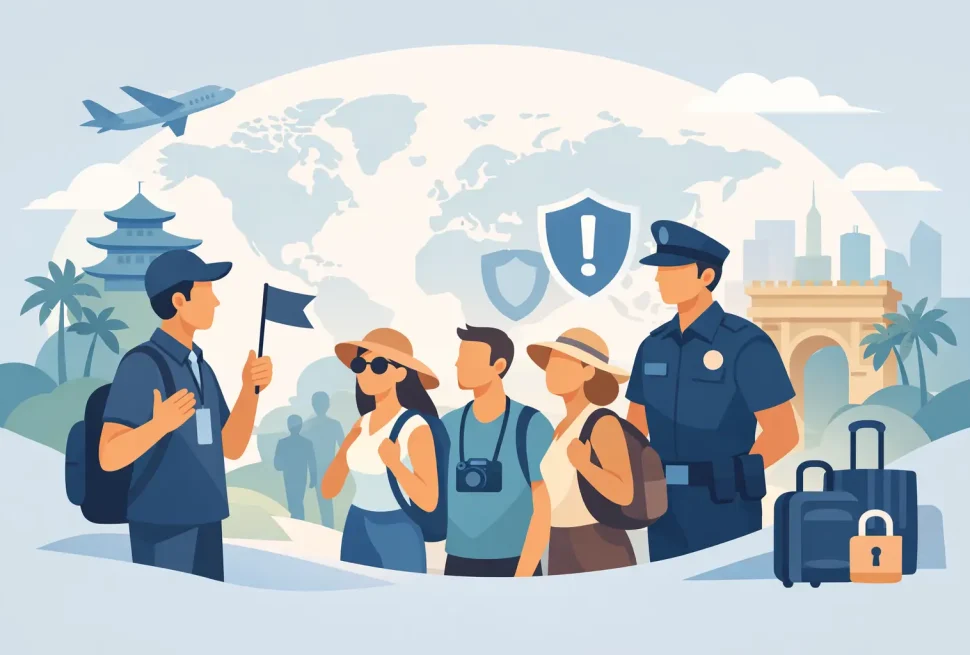
Local guides bring an additional layer of reassurance. They understand which routes make sense at different times of day, how to navigate crowded places respectfully, and when a plan should be adjusted due to local conditions. Their value is not simply knowing historical dates. It is knowing the rhythm of a destination.
Guided Travel Safety Guide: Prepare Before Departure
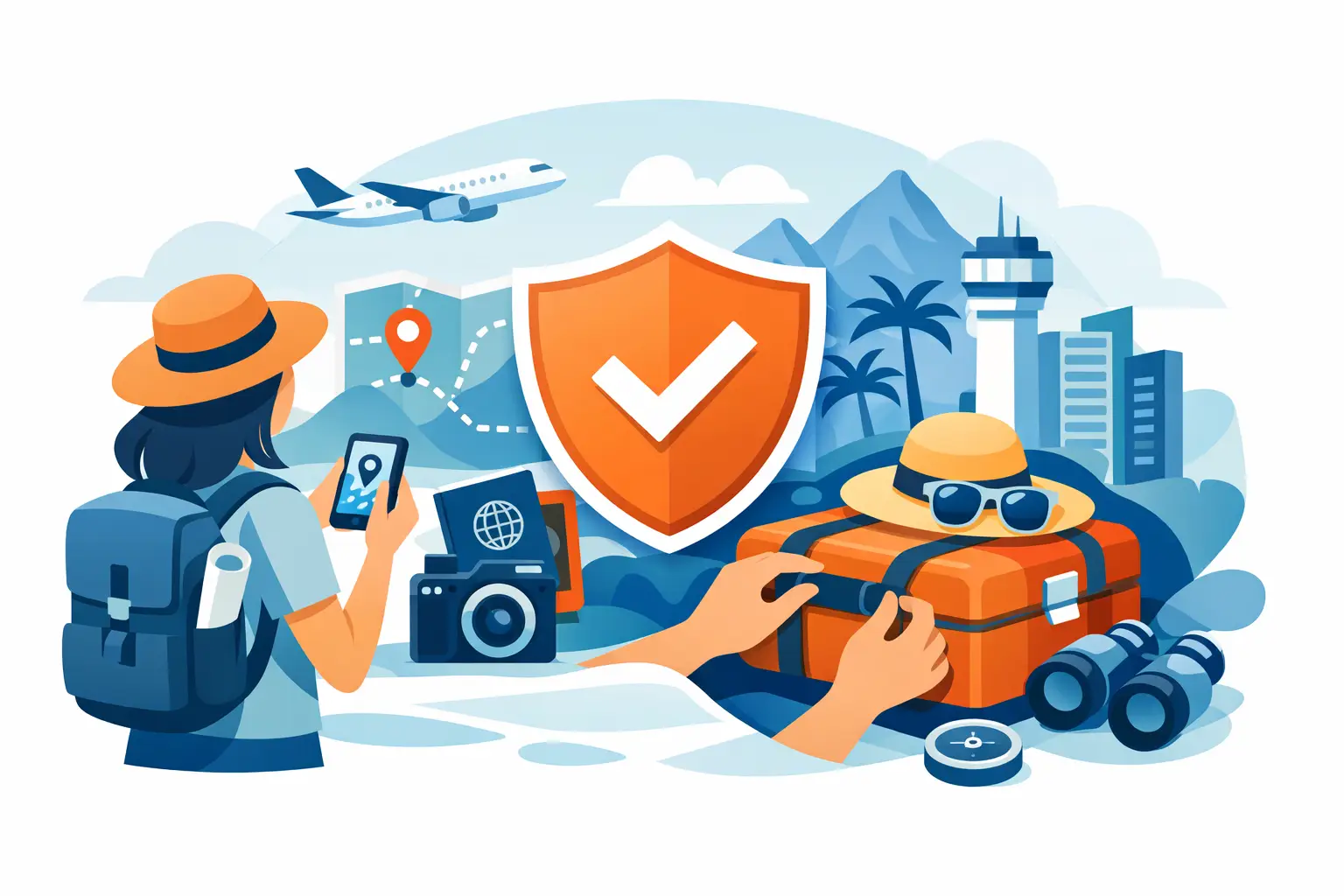
The most useful safety decisions happen before you board the plane. Start by reviewing your passport expiration date well ahead of travel. Many destinations require at least six months of validity beyond your planned return date, and visa rules can vary by nationality, entry point, and length of stay.
Purchase travel insurance that fits the trip you are taking, rather than choosing only on price. Look closely at medical coverage, emergency evacuation, trip interruption, and coverage for activities you genuinely plan to do. Pre-existing medical conditions, high-altitude travel, and luggage delays can have different terms, so read the policy details before departure.
Share your itinerary with a trusted person at home, including the tour operator’s contact information and the names of your first and final hotels. Keep essential information accessible without relying entirely on your phone. A lost bag, drained battery, or unreliable connection should not leave you unable to identify your accommodations or contact support.
It is wise to carry the following in more than one place:
- A printed copy of your passport identification page and travel insurance details
- Digital copies of key documents stored securely
- A small supply of local currency and a backup payment card
- Any prescription medications in their original labeled containers
If you take medication regularly, pack it in your carry-on bag along with a few basic comfort items for the first day. Long flights, time changes, heat, and unfamiliar foods can affect how you feel. A little preparation protects the beginning of the journey, when travelers are often most tired.
Ask the Right Questions About Your Tour
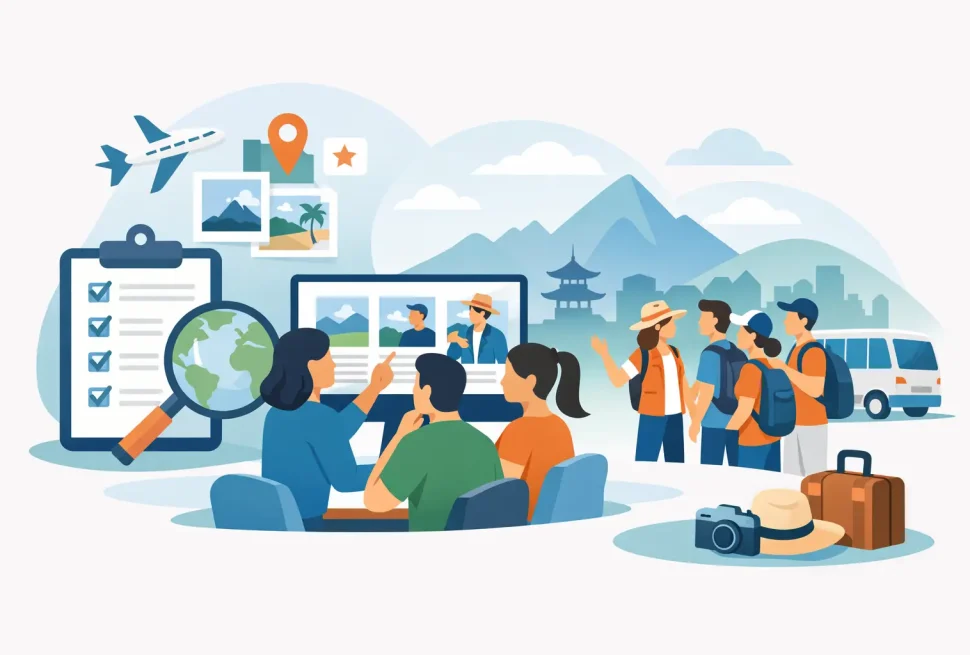
Not every guided trip is designed with the same level of care. Before booking, ask how the operator handles arrival logistics, hotel selection, transportation, local guide partnerships, and itinerary changes. Clear answers are a positive sign. Vague promises of safety are less useful than a detailed explanation of how a trip is organized.
Consider the pace, too. A packed itinerary may sound appealing, but overly ambitious schedules can create fatigue and reduce awareness. A thoughtful journey balances major landmarks with breathing room – time to settle into a place, ask questions, and enjoy a neighborhood without rushing from one photo stop to the next.
For destinations with long drives, remote landscapes, or altitude changes, ask about the physical demands of the itinerary. The right tour is not necessarily the one with the most activities. It is the one that matches your comfort level while still making room for discovery.
Atlas Global Tours designs small-group journeys with cultural depth and careful logistics in mind, pairing landmark experiences with local insight rather than treating a destination as a checklist. That approach supports both a richer trip and greater peace of mind.
Stay Aware Without Traveling on Edge
Once you arrive, simple habits do more for personal safety than constant worry. Keep valuables close and discreet, especially in crowded markets, transit hubs, popular viewpoints, and hotel lobbies. Use a crossbody bag or a secure daypack, and avoid placing phones, passports, or wallets in easy-to-reach outer pockets.
There is a trade-off between carrying everything and carrying too much. Leave unnecessary valuables at home, but keep your passport, payment methods, and essential medication under your control. Hotel safes can be useful for items you do not need that day, though it is still smart to confirm that nothing essential is left behind before checkout.
Follow your guide’s practical advice about meeting points, neighborhood awareness, and appropriate timing for independent exploration. This is not about limiting your freedom. It is about making informed choices. If you decide to spend free time on your own, tell someone where you are going, save your hotel’s address offline, and agree on a return time that does not require navigating unfamiliar streets late at night.
Alcohol deserves the same clear-eyed approach. Enjoying local wine, tea, or a celebratory cocktail can be part of travel, but know your surroundings and maintain control of your drink. Moderation is especially helpful when you are tired, adjusting to a new climate, or traveling at altitude.
Respect Local Customs and Read the Room
Cultural awareness is a form of travel safety. Clothing expectations, photography etiquette, religious customs, public displays of affection, and conversation topics can differ widely from place to place. What feels casual at home may be inappropriate in a sacred site, rural community, or conservative neighborhood.
Your guide can help you understand these distinctions with context instead of rigid rules. In some places, modest clothing is expected at religious landmarks. In others, asking before photographing people is essential. In busy markets, a friendly but firm response may be more effective than prolonged negotiation. Respectful behavior helps travelers build trust and avoid misunderstandings.
Food and water choices also depend on the destination and your own health needs. Your guide can recommend reliable places to eat and explain local practices, but listen to your body as well. Stay hydrated, particularly in warm climates, and ease into unfamiliar foods if you have a sensitive stomach. The best local meal is one you can enjoy fully, not one that sidelines you for the next day.
Keep Communication Simple and Reliable
Before heading out each day, make sure your phone is charged and that you have your guide’s number, hotel details, and meeting location available offline or on paper. International data plans and eSIM options can be helpful, but coverage varies. Treat your phone as a useful tool, not your only safety plan.
If you become separated from the group, pause rather than rushing through an unfamiliar area. Go to the agreed meeting point, contact your guide, or ask hotel staff or an official venue representative for assistance. Avoid accepting help from anyone who pressures you to change locations, use an unmarked vehicle, or hand over your documents.
For genuine emergencies, follow local emergency procedures and notify your guide or tour leader as soon as possible. A reputable operator should have a clear support process, but travelers should also understand that medical decisions, local authorities, and insurance providers each have their own roles. Staying calm and communicating early makes a difficult situation easier to manage.
Let Preparation Create More Meaningful Travel
The purpose of a guided journey is not to insulate you from the world. It is to help you meet it with greater confidence. With smart preparation, a capable local guide, and a small group that looks out for one another, you can step beyond the obvious sights and be present for the moments that make a destination stay with you: a conversation over coffee, a quiet mountain road, a home-cooked recipe, or a story that changes how you see a place.
Travel thoughtfully, stay curious, and let good planning give you the freedom to be fully there.