
A trip can include famous monuments, beautiful hotels, and excellent photos yet still feel strangely distant once you return home. The difference is intention. Learning how to plan meaningful travel means designing time away around connection: to a place, its people, its history, and perhaps a new part of yourself.
Meaningful travel is not about rejecting comfort or trying to see as little as possible. It is about making thoughtful choices before you leave, so your itinerary has room for context, conversation, and the unexpected moments that make a destination feel real.
Start With a Purpose, Not a Pin Map
Before comparing flights or saving a long list of restaurants, ask what you hope this journey will give you. You may want to understand the ancient civilizations of Egypt and Jordan, experience the food traditions of Morocco, reconnect with family roots in Armenia, or simply step outside a busy routine with a greater sense of curiosity.
A purpose does not have to be grand. “I want to understand Japan beyond its headlines” is enough. So is “I want a trip where I can slow down and share something memorable with my partner.” Your answer becomes a useful filter when every destination seems tempting and every day could hold another attraction.
Travel with purpose also creates a better balance between highlights and depth. Visiting the Pyramids of Giza or the Colosseum can be profoundly moving, especially when you understand the people, beliefs, and eras behind what you see. The goal is not to avoid iconic places. It is to give them enough time and context to become more than a box checked on an itinerary.
Choose One Region You Can Experience Well
Trying to cover too much territory is one of the fastest ways to turn a meaningful trip into a logistical exercise. A rushed itinerary leaves little space for a guide’s story, an unplanned conversation, or the simple pleasure of sitting in a neighborhood cafe and noticing daily life around you.
Consider choosing one country or a focused region for a multi-day journey. In Morocco, for example, the experience shifts dramatically from imperial cities and mountain landscapes to desert communities and Atlantic coast culture. In the Balkans, neighboring countries may share borders while offering distinct languages, faiths, cuisines, and histories. Meaning comes from noticing those differences, not racing past them.
This does not mean every trip must be slow in the same way. A traveler with two weeks may comfortably explore multiple areas, while someone with six days may benefit from one city and its surroundings. The right pace depends on your time, energy, interests, and tolerance for changing hotels. Still, leaving some open space is nearly always worthwhile.
Build an Itinerary Around Encounters
When planning, look beyond the question, “What should I see?” Ask, “What experiences will help me understand this place?” Often, the answer involves people and everyday traditions as much as landmarks.
A well-rounded itinerary might include a local market visit, a meal in a family-run restaurant, time with an artisan, a neighborhood walk, or a regional cooking experience. These are not decorative additions. They offer a practical window into values, hospitality, work, and family life that museum labels cannot always provide.
The most meaningful encounters should feel respectful rather than staged. Seek experiences that are led by people who have a genuine relationship to the tradition, community, or place being shared. A knowledgeable local guide can make a tremendous difference here. They can explain cultural etiquette, answer questions with nuance, and help visitors move through a destination as welcome guests rather than passive observers.
There is a trade-off to consider. Highly spontaneous travel can produce remarkable moments, but it can also mean missed reservations, unreliable transportation, and less access to local experts. Carefully arranged travel does not remove discovery. It protects the time and energy that allow you to be present for it.
Research the Story Behind the Destination
A little preparation can change how deeply you experience a place. Read a history that gives you a broad timeline, listen to music from the region, watch a film by a local director, or learn a few phrases in the local language. You do not need to become an expert before departure. You simply want enough context to recognize what you are seeing.
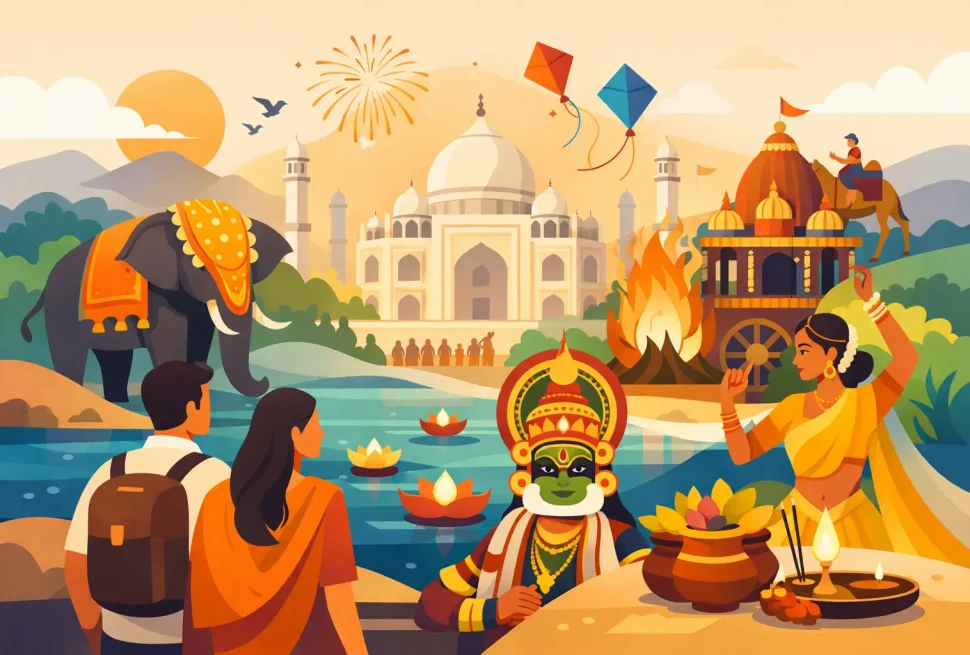
This is especially valuable in destinations with layered histories. In Istanbul, a single skyline can reflect Byzantine, Ottoman, and modern Turkish life. In India, regional customs, languages, and cuisines can vary enormously from one state to another. In Tunisia or Oman, ancient trade routes remain visible in architecture, food, and coastal communities.
Approach your research with humility. No country can be understood through one book, one guide, or one conversation. Let preparation make you more curious, not more certain that you already know the place.
Prepare Questions, Not Assumptions
Bring questions that invite conversation: What does this celebration mean to your family? How has this neighborhood changed? What food would you recommend to someone visiting for the first time?
Avoid treating local people as representatives of an entire nation or culture. One person’s experience is personal, and that is precisely what makes a conversation valuable. Listening well is one of the simplest ways to travel more thoughtfully.
Make Room for Comfort and Peace of Mind
Meaningful travel should not require you to manage every complication alone. Reliable transportation, carefully selected accommodations, clear expectations, and on-the-ground support are not luxuries for travelers who value cultural depth. They are what make it easier to focus on the experience rather than the details.
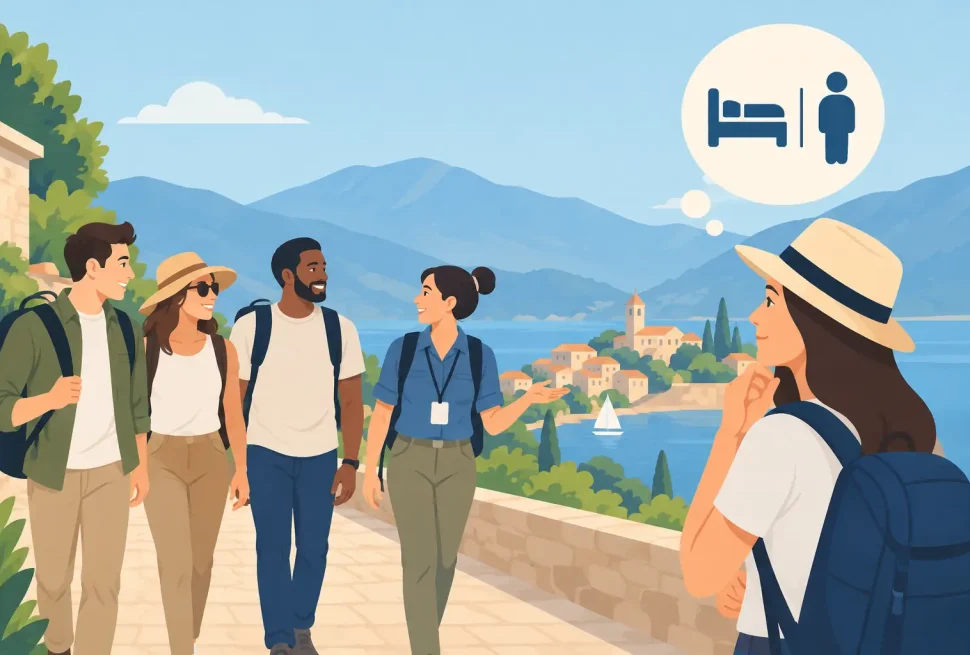
For many travelers, a small-group journey offers the right balance. You retain the pleasure of sharing discoveries with others while avoiding the impersonal pace of large coach tours. With a group small enough for questions and flexibility, guides can adapt more naturally to the moment, whether that means lingering at a historic site or recommending a favorite local specialty.
At Atlas Global Tours, groups are capped at 10 travelers because personal attention changes the character of a journey. Local guides are not there simply to keep a schedule. They provide cultural context, practical reassurance, and the kind of insight that helps a destination stay with you long after you are home.
Travel Responsibly Without Making It Performative
Thoughtful travel has an impact, even when your intentions are good. Spend with locally owned businesses when possible, follow photography rules, dress respectfully where local customs call for it, and learn before entering sacred or sensitive spaces. Small decisions communicate care.
Responsible travel also means resisting the urge to consume every moment. Not every ceremony, neighborhood, or person is there for a visitor’s entertainment. If an experience feels intrusive, overly transactional, or uncomfortable, pay attention to that instinct.
You do not have to travel perfectly to travel responsibly. You do need to remain open to learning, correcting course, and recognizing that being a guest comes with obligations as well as privileges.
How to Plan Meaningful Travel With Time to Reflect
Reflection is what turns a series of activities into a lasting experience. Build it into the trip while the details are still fresh. Leave an evening free after a major excursion. Keep a short journal. Save a few observations alongside your photographs: a scent from a spice market, a phrase your guide used, a meal shared with new friends, or a moment when a familiar assumption shifted.
You can also be intentional after you return. Cook something you tasted abroad, read more about a chapter of history that intrigued you, print a photo, or stay in touch with the travelers who shared the experience. These small acts keep the journey from becoming a folder of images on your phone.
The best travel plans do more than fill your calendar. They create the conditions for attention. Choose a destination that calls to you, give it the time it deserves, and allow space for its people and stories to change the way you see the world.