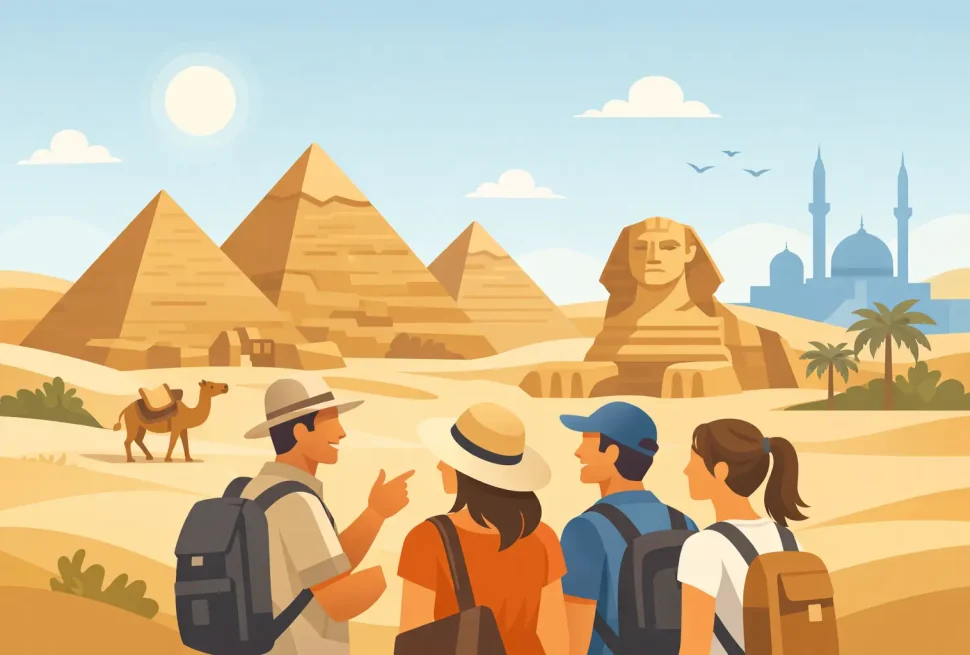
You can stand in front of the Pyramids, walk through a medina, or photograph a temple at sunrise and still leave feeling like you only skimmed the surface. That is the difference cultural immersion travel experiences are designed to close. They shift travel away from passive sightseeing and toward genuine connection – with local people, daily life, regional food, layered history, and the rhythms that make a place feel real.
For many travelers, that shift is exactly what turns a good trip into a lasting one. The goal is not to collect more stops. It is to return home with a clearer sense of how people live, what shapes a destination, and why certain moments stay with you long after the flight back.
What cultural immersion travel experiences actually mean
The phrase gets used often, sometimes too loosely. Not every market visit, cooking class, or folk performance qualifies on its own. Real immersion is less about adding one “local” activity and more about how the whole journey is built.
A culturally immersive trip gives context. You are not only seeing a historic site, but understanding the beliefs, trade routes, architecture, customs, and modern realities connected to it. You are not only tasting a regional dish, but learning why it matters in that place, who prepares it, and how it reflects the local landscape and history.
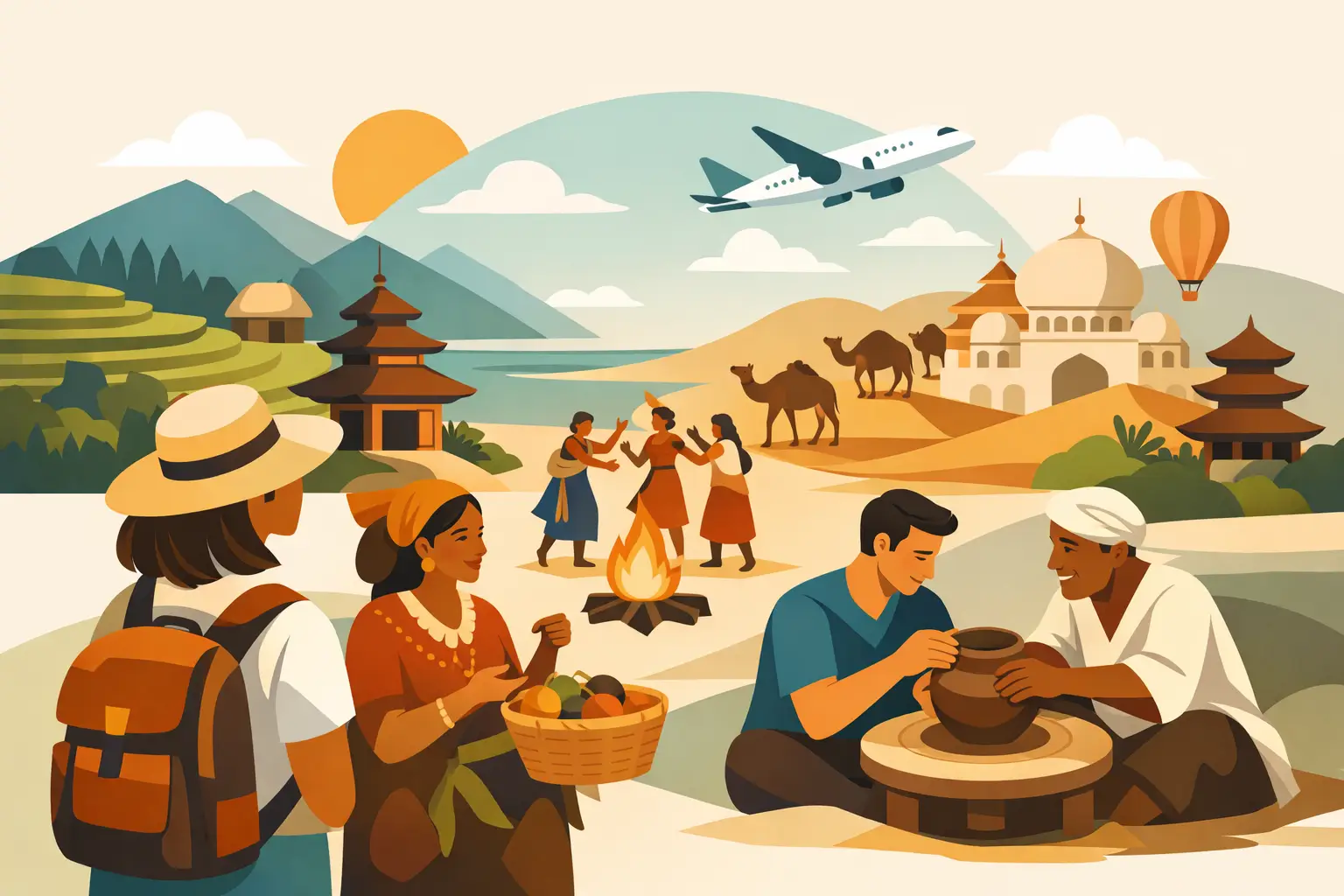
That usually means slower pacing, smaller groups, and guides who can interpret culture rather than simply recite dates. It also means making room for places that do not always appear in standard itineraries – neighborhood bakeries, family-run workshops, village communities, local homes, traditional tea houses, artisan studios, and everyday gathering spaces where culture is lived rather than staged.
Why this style of travel resonates so strongly
Most experienced travelers reach a point where checklist tourism starts to feel thin. Iconic landmarks still matter, and they should. But without meaningful context, even extraordinary places can blur together.
Cultural immersion travel experiences create contrast and memory. A conversation with a local guide in Amman about daily life today can deepen your understanding of Jordan more than hours of independent wandering. Sharing a meal in rural Morocco, visiting a lesser-known monastery in Armenia, or learning the etiquette behind a tea tradition in Japan gives shape to the destination in a way no panoramic viewpoint can.
This kind of travel also rewards curiosity. It gives travelers a way to engage without having to organize every detail themselves, which is often the barrier. Many people want richer experiences, but not the uncertainty that can come with navigating language differences, transportation logistics, or culturally sensitive settings on their own.
The balance that matters most: depth without friction
There is a reason many travelers do not want backpacker-style travel, even if they value authenticity. Cultural depth should not require guesswork, exhaustion, or constant decision-making. In fact, the best immersive trips often feel more relaxed because the planning has already been done well.
That is where thoughtful tour design makes a major difference. A well-structured small-group itinerary can include major landmarks and meaningful local experiences without making the trip feel chaotic. The right local guide knows when to explain, when to step back, and when to open a door you likely would not find on your own.
There is a trade-off here, of course. Total independence can offer spontaneity, but it also increases the odds of missing context, losing time, or staying at the surface. A guided journey offers more support and insight, though the quality depends heavily on group size and itinerary design. Large coach tours often move too quickly for real immersion. Smaller groups tend to create more flexibility, better conversations, and a more personal connection to each destination.
What to look for in meaningful cultural travel
The strongest immersive itineraries are built around a destination’s character, not just its headline attractions. That means each experience should feel connected to the place rather than inserted for effect.
In practice, that might look like spending time with local artisans in Turkiye after visiting major historical sites, or pairing Egypt’s ancient monuments with neighborhood food culture and contemporary urban life in Cairo. In India, it may mean moving beyond famous forts and palaces to include markets, spiritual traditions, family-run dining experiences, and conversations that illuminate the country’s scale and complexity.
Good immersive travel also respects the difference between access and intrusion. Not every local moment should be turned into a visitor experience. The most responsible tours understand boundaries and work with local partners in ways that feel mutually respectful. That leads to better experiences for travelers and healthier relationships within the destination.
Another sign of quality is pacing. If every day is packed from dawn to night, there is little room to absorb what you are seeing. Immersion is not just about activity. It is about attention. Travelers need time to ask questions, notice details, and process the cultural contrasts that make travel meaningful.
Why local guides are central to the experience
A destination can look beautiful without explanation. It becomes memorable when someone helps you understand what you are seeing.
The best local guides function as cultural ambassadors. They translate not just language, but behavior, context, values, and nuance. They can explain why a neighborhood matters, how customs differ across regions, what social etiquette to keep in mind, and which assumptions visitors often bring with them.
That level of guidance can change the entire tone of a trip. It helps travelers feel more comfortable engaging with unfamiliar settings while avoiding the awkwardness that sometimes comes from navigating cultural differences alone. It also adds confidence. When travelers know they are being guided by someone with local knowledge and professional care, they can focus more fully on the experience itself.
For a company like Atlas Global Tours, this approach is part of what makes small-group travel so effective. When group sizes stay intimate, travelers can ask better questions, move more easily, and enjoy the kind of access and flexibility that larger tours often cannot provide.
Cultural immersion travel experiences across different destinations
Immersion does not look the same everywhere, and that is part of the appeal. In Japan, it may center on precision, etiquette, seasonal food, and the quiet cultural meaning behind rituals that outsiders can easily miss. In Morocco, immersion might come through craftsmanship, hospitality, regional cuisine, and the contrast between imperial cities and mountain or desert communities.
In Oman or Jordan, the experience may be shaped by conversations around hospitality, trade, family traditions, and how ancient landscapes still influence modern life. In the Balkans, cultural depth often comes from the intersection of empires, religions, languages, and local identities that continue to shape each city and village.
This is why one-size-fits-all travel rarely works for people seeking more than a photo album. Each destination calls for a different kind of listening, pacing, and interpretation.
Who this style of travel is best for
Cultural immersion appeals most to travelers who want more than efficient sightseeing but do not want the burden of planning every moving part themselves. That includes couples, solo travelers, and friends who value substance, comfort, and peace of mind.
It is especially well suited to people who appreciate history, food, architecture, and human connection, but who also want strong organization behind the scenes. A well-run immersive trip removes logistical stress while preserving a sense of discovery. That balance is hard to achieve independently, particularly in destinations where language, transportation, or local customs can be more complex.
It is not always the right fit for travelers who prefer fast-paced country counting or highly self-directed travel with minimal structure. But for those who want a richer understanding of a place without sacrificing reliability, it is often the most rewarding option.
The real value is what stays with you
The most memorable trips rarely come down to how many landmarks you checked off. More often, people remember the guide who gave a monument meaning, the meal that opened a window into family tradition, the conversation that changed how they saw a country, or the unexpected stop that made the entire itinerary feel personal.
That is the promise of culturally thoughtful travel. It does not replace iconic sights. It gives them depth. And when a journey is designed with care, local insight, and enough space to truly engage, the destination stops feeling like a backdrop and starts feeling like a place you genuinely came to know.
If that is the kind of travel you want, choose trips that treat culture as the center of the experience, not the decoration around it.