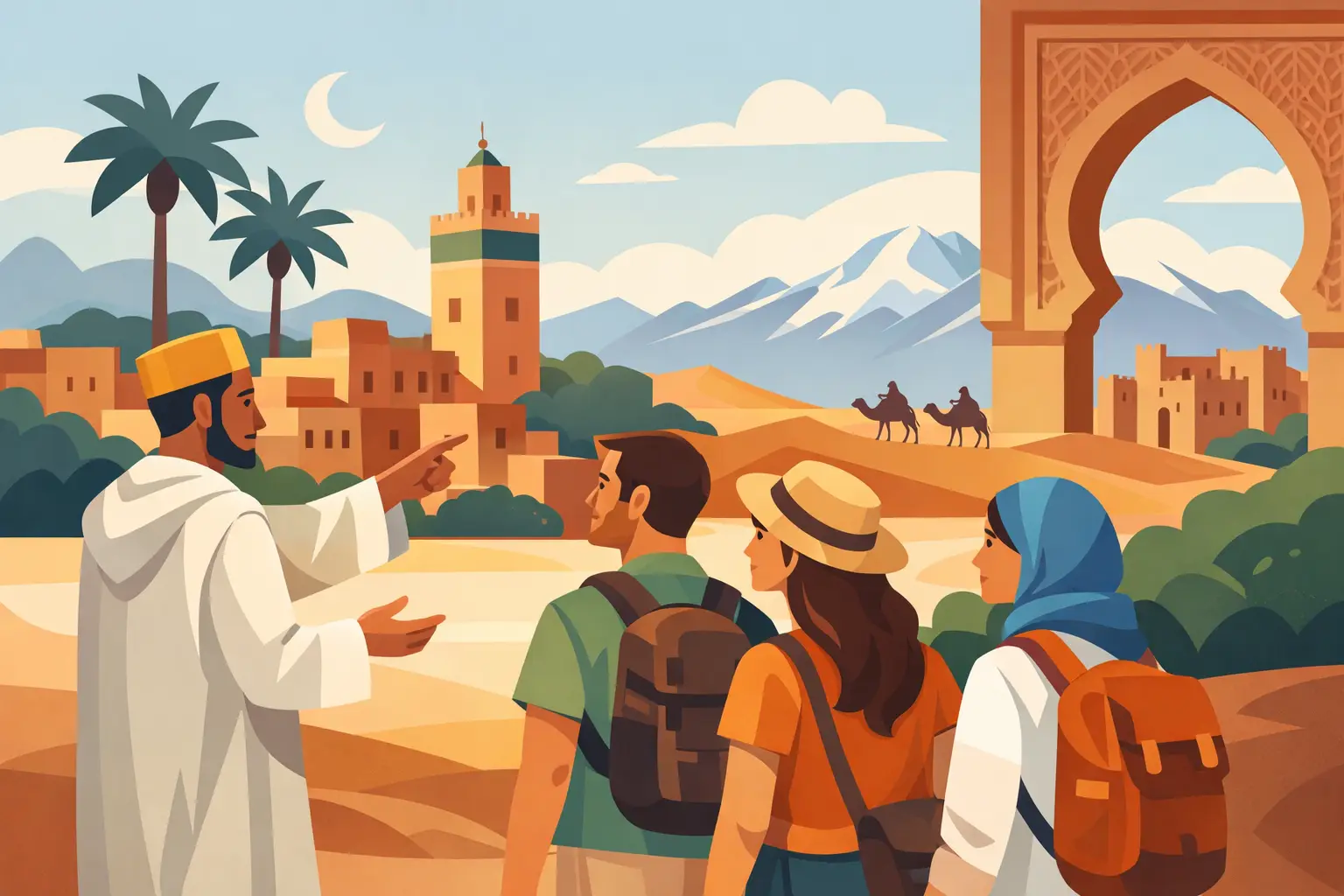
There is a big difference between seeing Morocco and actually feeling connected to it. On one day, that might mean standing in a quiet riad courtyard in Fez while the call to prayer echoes beyond the walls. On another, it could mean sharing mint tea in the Sahara after a long drive through shifting landscapes. That is where small group guided tours of Morocco stand apart – they create space for both the iconic moments and the human ones.
Morocco rewards travelers who want more than a fast photo stop. Its imperial cities, mountain villages, desert routes, Atlantic coast towns, and layered history all deserve context. For many American travelers, the challenge is not whether Morocco is worth visiting. It is how to experience it in a way that feels immersive, well organized, and comfortable from start to finish.
Why small group guided tours of Morocco work so well
Morocco is one of those destinations where details matter. Distances can be longer than they look on a map. Medinas are fascinating but easy to get turned around in. Cultural norms, regional differences, and local rhythms are part of what make the country special, but they can also be difficult to interpret without the right guidance.
A small group format solves much of that without making the trip feel rigid. Instead of moving with a large busload of travelers, you can move more easily through old city lanes, boutique accommodations, local restaurants, and smaller cultural sites. Groups of 10 or fewer also make it easier to ask questions, adjust pace when appropriate, and enjoy a more personal relationship with your guide.
That matters in Morocco because the experience is so layered. A guide is not just there to point out landmarks. A strong local guide helps explain why a city feels the way it does, how Arab, Amazigh, African, Andalusian, and French influences come together, and what travelers are seeing beyond the surface. The difference between a standard tour and a well-designed small group journey is often that deeper understanding.
What travelers gain from a smaller, guided experience
The first benefit is access. In Morocco, some of the most memorable experiences are not the biggest attractions but the more intimate ones – a hands-on cooking experience, a family-run guesthouse, a neighborhood bakery, a conversation in a carpet cooperative, or a scenic drive with stops that a large coach tour would skip. Smaller groups can usually move through these moments more naturally.
The second benefit is comfort. Morocco is generally very welcoming, but it can also feel intense to first-time visitors. The energy of Marrakech, the complexity of Fez, and the logistics of moving between regions can be tiring if you are handling everything alone. With a guided small group trip, airport transfers, intercity transportation, accommodations, and key sightseeing are thoughtfully organized. You still feel the excitement of discovery, but with less friction.
The third benefit is the people around you. A small group tends to attract travelers who want substance over speed. That often leads to better conversations, more flexibility, and a more relaxed atmosphere throughout the trip. For solo travelers and couples alike, that balance can be ideal – social when you want it, never crowded.
The best Morocco itineraries balance highlights and hidden places
A strong itinerary should absolutely include Morocco’s classic destinations. Marrakech has the visual energy, architecture, gardens, and markets that many travelers dream about first. Fez offers one of the most compelling old cities in the world, with a medina that feels dense with craft, scholarship, and history. The Sahara adds scale and stillness, while places like Ait Benhaddou and the High Atlas bring a cinematic sense of landscape.
But the best small group guided tours of Morocco do not stop there. They build in contrast. That might mean time in Chefchaouen, where the blue-washed streets create a different rhythm from the imperial cities. It might mean an Atlantic stop such as Essaouira for sea air, art, and a more laid-back urban feel. It could also mean spending time in smaller villages or kasbah regions where Morocco feels less staged and more lived-in.
The trade-off is time. Morocco is not a country to rush. If an itinerary promises too many major regions in too few days, the result can feel like a transfer schedule rather than a journey. A better approach is to choose a route with enough variety to show the country’s range, but enough breathing room to enjoy where you are.
What to look for in small group guided tours of Morocco
Not every small group tour is designed with the same philosophy. Some simply reduce group size but keep a fast, checklist-style structure. Others are built around cultural depth, pacing, and personal attention. That distinction is worth paying attention to.
Look closely at group size limits. A true small group should stay genuinely small, not just smaller than a coach tour. Also review the pace of the itinerary. If there are too many one-night stays or long drives stacked back to back, the trip may feel more tiring than enriching.
Guide quality is just as important as itinerary design. Morocco becomes far more meaningful when guides can explain architecture, religion, daily customs, regional history, and food traditions in a way that is engaging and accessible. Travelers often remember the human insight as much as the places themselves.
Accommodation style matters too. Many travelers are drawn to riads and smaller character-rich stays because they reflect the setting better than generic hotels. That said, comfort should still be part of the equation. A well-curated trip finds the middle ground between atmosphere and reliability.
For travelers who want both cultural immersion and clear planning, companies like Atlas Global Tours appeal because they combine intimate group sizes with structured support and thoughtfully curated routes. That blend is especially valuable in a destination as rich and varied as Morocco.
Who these tours are best for
Small group guided tours of Morocco tend to work especially well for travelers who want to be present, not preoccupied. If you enjoy learning while you travel, appreciate local food and history, and want logistics handled professionally, this format makes a lot of sense.
It is also a strong fit for first-time visitors to North Africa. Morocco is exciting and approachable, but it rewards preparation. Having a guide and a well-built itinerary helps travelers move beyond uncertainty and into real engagement.
That said, even experienced travelers often prefer small group travel here. Independent travel in Morocco is certainly possible, but it comes with trade-offs. You may gain full spontaneity, yet lose time to navigation, planning, negotiation, and missed context. A guided small group trip keeps the trip feeling active and authentic while removing much of that burden.
Timing, pace, and expectations
Spring and fall are often the most comfortable seasons for broad Morocco itineraries, especially if your trip includes cities, desert regions, and the mountains. Summer can work, but interior temperatures can be intense. Winter brings cooler conditions and, depending on the region, a different kind of beauty. The best season depends on the route and your tolerance for heat or cold evenings.
Pace matters just as much as season. Some travelers want a more active schedule with early starts and full sightseeing days. Others want more free time for wandering, shopping, or simply sitting with a coffee in a courtyard. Neither preference is wrong. The key is choosing a tour style that fits how you actually like to travel, not how you think you should travel.
Expect Morocco to be vivid, sometimes busy, occasionally surprising, and deeply rewarding. It is not polished in a generic way, and that is part of its appeal. The right guided experience does not smooth away the country’s character. It helps you meet that character with confidence and curiosity.
When travelers choose small group guided tours of Morocco, they are usually choosing more than convenience. They are choosing a way to travel that makes room for insight, connection, and calm in a destination full of color and complexity. And that tends to be the kind of trip that stays with you long after you get home.