
You can feel the difference the moment a trip begins. Instead of waiting for a busload of strangers to organize themselves, a small group tour moves with intention. Questions get answered. Preferences are noticed. The pace feels human. That is why the best small group tour benefits matter so much for travelers who want more than a checklist of famous sights.
For many travelers, the real appeal is balance. Independent travel can be rewarding, but it also asks you to manage every reservation, transfer, timing issue, and unexpected change on your own. Large tours remove some of that burden, yet often replace it with rigid schedules and a less personal experience. Small group travel sits in the sweet spot between those extremes. It offers structure without making the journey feel mechanical.
Why the best small group tour benefits stand out
Not all organized travel feels the same. Group size shapes almost everything – the rhythm of the day, the level of access, the kind of conversations you have, and how supported you feel once you are on the ground.
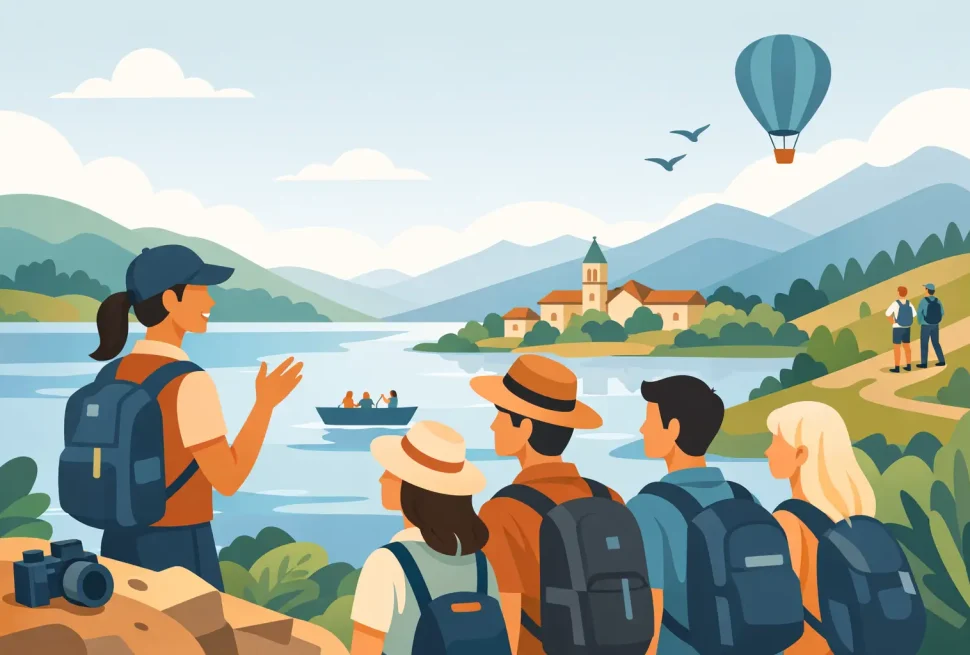
With a smaller group, travel becomes more responsive. A guide can adjust timing when a site is unexpectedly crowded. A restaurant stop can feel like a genuine meal rather than a logistical operation. There is room for thoughtful moments that larger groups often miss, whether that means time to ask deeper questions at a historic site or the chance to linger in a local market without feeling rushed along.
This is especially valuable in destinations where culture is layered and context matters. In places like Morocco, Japan, Jordan, or India, the meaning behind what you see is often just as important as the sight itself. Smaller groups create the conditions for that meaning to come through.
More personal attention, without losing professional structure
One of the clearest advantages of small group travel is that you are not just another face in a crowd. Guides can learn your name quickly, understand your interests, and notice when you need help. That may sound simple, but it changes the experience in practical ways.
If you are especially interested in history, food, architecture, or local customs, a guide in a smaller setting has more space to engage with those interests. If you are a solo traveler, you are less likely to feel anonymous. If you are a couple or traveling with a friend, you still get the reassurance of a well-managed itinerary without feeling absorbed into a large, impersonal operation.
Professional structure still matters, of course. Personalized service is only valuable when it sits on top of strong planning, reliable communication, and experienced local leadership. The best operators combine both. They make the trip feel easy without making it feel generic.
Better access to authentic local experiences
Many travelers say they want authenticity, but that word can lose meaning when it is overused. In practice, authentic travel usually comes down to access, context, and scale.
Small groups can enter spaces that larger tours often cannot navigate well. That might mean a family-run restaurant, a workshop with local artisans, a village guesthouse, a neighborhood food stop, or a conversation-driven cultural visit that would feel awkward with 35 people arriving at once. The experience is not better simply because it is smaller. It is better because it feels more natural for everyone involved.
That matters in destinations where hospitality is personal and community life is part of the travel experience. A meaningful encounter in a mountain village, desert camp, old medina, or temple town often depends on keeping the group size manageable. People interact differently when the setting still feels intimate.
Flexibility that improves the trip
Flexibility is one of the most underrated small group advantages. Travelers often assume flexibility means no plan at all, but that is not what most people want on a multi-day international trip. What they want is a smart itinerary with enough breathing room to adapt.
Small group tours are usually better at this. Boarding and departures are faster. Hotel check-ins are smoother. Stops can be adjusted with less disruption. If weather shifts, traffic builds, or a local event creates an unexpected opportunity, a smaller group can pivot more easily.
That does not mean every moment becomes customizable. There are still schedules to follow, and some sites require firm timing. But smaller groups tend to handle real-world travel conditions with less friction. The result is a journey that feels better paced and less exhausting.
A richer relationship with your guide
A strong guide can transform a destination. They do more than explain monuments or move a group from one stop to the next. At their best, they translate culture, add historical depth, offer practical support, and help travelers interpret what they are seeing in a more thoughtful way.
This role becomes more powerful in a small group setting. Conversation flows more naturally. Questions do not need to compete with a crowd. Travelers often feel more comfortable asking about religion, etiquette, politics, daily life, or local traditions when the setting is more personal and respectful.
That level of exchange is often what people remember most. They may come home with photos of Petra, Kyoto, or the pyramids, but what stays with them is the understanding that came from someone who knew how to bring those places to life.
Comfort and efficiency go hand in hand
There is a practical side to the best small group tour benefits that should not be overlooked. Smaller groups are often simply easier to move through the world.
Transfers are quicker. Entering sites takes less time. Meals are less chaotic. There is less waiting around while everyone is counted, loaded, and managed. Over the course of a multi-day itinerary, those savings add up. You spend more time experiencing the destination and less time in the logistics of getting there.
Comfort also shows up socially. In a smaller group, dynamics tend to be more relaxed. People have room to connect without feeling forced into constant group interaction. That balance appeals to a wide range of travelers, especially solo travelers and couples who want companionship when it feels natural, but also appreciate personal space.
Small group travel can feel safer and more reassuring
Safety means different things to different travelers. For some, it is about having a clear plan and experienced guidance in unfamiliar places. For others, it is knowing that if something changes, there is real support available.
Small group tours often provide stronger reassurance because the experience is more closely managed. A guide can keep a better eye on the group. Travelers can ask questions more freely. If someone needs extra assistance, it is easier to respond quickly. In destinations where language, customs, transportation systems, or regional logistics may be unfamiliar, that support can significantly reduce stress.
This is especially meaningful for travelers who want cultural depth without feeling like they have to figure out every variable on their own. Thoughtful planning and local expertise create confidence, and confidence makes it easier to be present.
Are small group tours always the best choice?
It depends on the traveler and the trip. Small group tours are ideal for people who want cultural immersion, strong guidance, and a more personal pace. They are less ideal for travelers who want complete spontaneity every day or the absolute lowest price point.
Because these tours are more curated and less volume-driven, they can cost more than large coach tours. For many travelers, that trade-off is worth it. They are paying for access, quality, smoother logistics, and a more meaningful experience. Still, value is personal. The right choice depends on your priorities.
It is also worth noting that not every company defines small group the same way. A tour with 8 to 10 travelers feels very different from one that stretches into the high teens. If group size is a deciding factor for you, look beyond the label and check the actual cap.
What travelers often remember most
When people talk about their favorite trips, they rarely focus only on landmarks. They talk about the dinner in a tucked-away riad, the guide who explained a custom they would have missed, the extra time in a village square, or the ease of traveling with people who shared a similar curiosity about the world.
That is the real case for small group travel. It does not just help you see a destination more comfortably. It helps you experience it more fully.
For travelers who want to go beyond surface-level sightseeing, Atlas Global Tours builds around exactly that idea – thoughtfully designed journeys, expert local guidance, and group sizes small enough to keep the experience personal.
The best trips do more than carry you from one landmark to the next. They give you room to notice where you are, understand what you are seeing, and return home with memories that feel earned.