
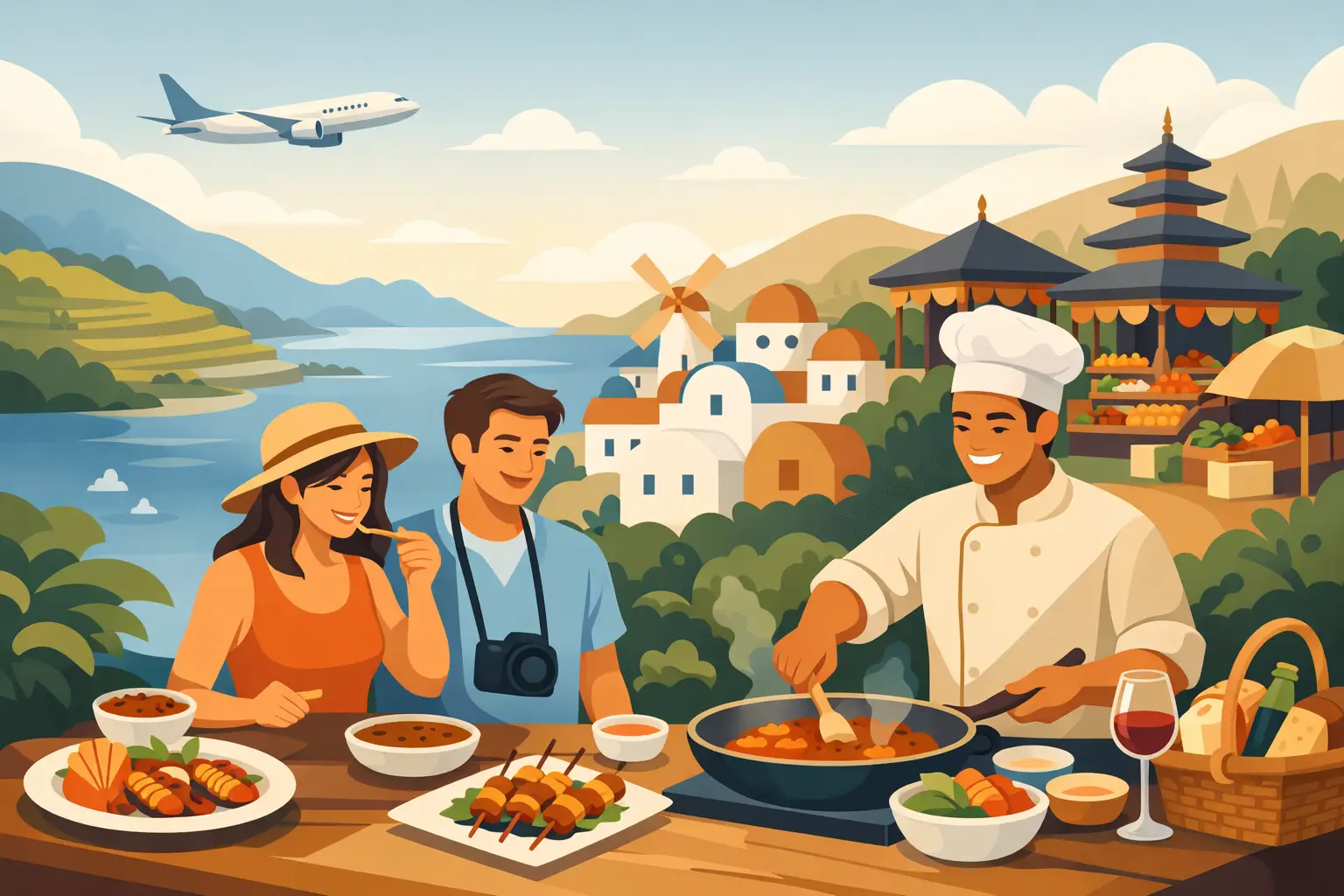
A memorable meal abroad is rarely defined by the dish alone. It is the baker explaining why the first bread comes out before sunrise, the market vendor choosing fruit at its peak, or the home cook showing you the spice blend their family uses without measuring. Authentic food tours abroad create room for those moments, turning meals into a genuine introduction to the people, history, and daily rhythms of a destination.
For culturally curious travelers, food is not a break between landmarks. It is one of the most direct ways to understand where you are. The right culinary experiences add texture to a journey through Japan, Morocco, India, Turkiye, Jordan, or the Balkans – while still providing the structure, local expertise, and peace of mind that make international travel enjoyable.
What Makes Authentic Food Tours Abroad Different?
A food-focused experience becomes authentic when it is rooted in place rather than built around a generic menu. That does not mean every meal must happen in an unmarked alley or require travelers to give up comfort. It means the experience has a real connection to local life: ingredients sourced nearby, recipes shaped by regional traditions, and hosts who can explain what is on the table and why it matters.
In Marrakech, that might mean learning how preserved lemons, saffron, and ras el hanout shape a tagine before sharing it in a family-run setting. In Japan, it may be a visit to a neighborhood market followed by a carefully prepared lunch that reflects the season. In Istanbul, it could be tasting regional specialties that reveal how trade routes, migration, and imperial history influenced the city’s kitchens.
The distinction matters because many tourist-oriented meals are designed for speed and familiarity. They can be pleasant, but they often remove the details that make a destination’s food memorable. A thoughtfully planned tour creates access to local flavors without leaving travelers to navigate language barriers, uncertain logistics, or questionable dining choices on their own.
Look for Context, Not Just Tastings
A long list of samples does not automatically make a great food tour. The strongest experiences give each taste a story. Why is a certain cheese made in one mountain region? How does a religious holiday affect a traditional meal? Why do neighboring cities prepare the same dish differently?
This context is where knowledgeable local guides make a meaningful difference. A skilled guide can help travelers recognize etiquette, explain unfamiliar ingredients, and introduce the people behind the food. They can also make the experience more comfortable for guests who may be new to a cuisine or unsure how to order, eat, or participate respectfully.
Cultural context also helps avoid the common mistake of treating food as a spectacle. Watching bread emerge from a clay oven or joining a cooking lesson should feel like an exchange, not a performance staged for outsiders. The best hosts welcome questions, share their perspective, and allow the experience to unfold at a natural pace.
Markets Reveal the Everyday Culture
Markets are often among the most revealing places on a culinary itinerary. They show what is in season, what families cook at home, and which ingredients define a region. The sounds, colors, and conversations offer a view of daily life that restaurant dining alone cannot provide.
Yet markets can be overwhelming without guidance, especially in a busy city or a country with unfamiliar customs. A local guide helps travelers understand what they are seeing, from how spices are purchased in North Africa to the social rituals around tea in the Middle East. They can point out what is truly regional, help communicate with vendors, and keep the visit focused rather than frantic.
Choose Small Groups for Better Food Experiences
Food is personal. It is much easier to ask a chef a question, sit around a shared table, or step into a small workshop when a group is intimate. Large coach tours may be efficient, but they can turn a meal into another scheduled stop with fixed seating and limited interaction.
Small-group travel creates more flexibility. A guide may be able to linger at a market stall when the group is engaged, adjust a tasting based on what is freshest that day, or accommodate a restaurant whose dining room is too small for a crowd. It also makes conversation more natural, both with local hosts and fellow travelers.
For Atlas Global Tours, groups are capped at 10 travelers for this reason. A smaller group supports the kind of careful, human-scale experiences that are difficult to arrange for dozens of people at once. It also allows for more personal attention when dietary needs, comfort levels, or individual interests arise during the trip.
Balance Adventure With Practical Planning
Eating abroad should be exciting, not stressful. Travelers do not need to choose between adventurous local food and sensible preparation. A well-designed itinerary considers restaurant standards, timing, transportation, water and food safety practices, and the practical realities of each destination.
This is especially valuable for travelers who want to enjoy regional specialties without spending their vacation researching every meal. Local guides know which places have earned community trust, when a popular market is at its best, and how to handle the small logistics that can otherwise distract from the experience.
Dietary requirements deserve the same care. Vegetarian, vegan, gluten-free, allergy-conscious, halal, and other needs can often be accommodated, but the level of ease varies by destination and by dish. Travelers should share requirements well before departure and remain realistic about cross-contact risks, especially in busy kitchens or places where a particular ingredient is foundational to local cooking.
The goal is not to remove every surprise. A little culinary curiosity is part of the reward. The goal is to ensure that surprises are enjoyable ones: an unexpected street snack, a seasonal dessert, or a family recipe you would never have found alone.
Let Food Deepen the Rest of the Journey
The most rewarding culinary moments are connected to the places around them. After walking through ancient ruins, a regional lunch can reveal how geography and agriculture shaped the civilization that once lived there. Following a visit to a mosque, temple, or church, a conversation about holiday foods can make local traditions feel more immediate and personal.
This is why food experiences work best when they are woven into a broader itinerary rather than treated as a separate attraction. In Jordan, a meal can illuminate Bedouin hospitality and desert life. In India, regional cuisine can clarify the remarkable diversity of languages, climates, and customs across the country. In Armenia or the Balkans, a shared table may open a conversation about family, resilience, and the enduring importance of hospitality.
There is also value in leaving some room for simple pleasures. Not every food memory needs a formal lesson. A warm pastry with morning coffee, grilled fish by the water, or a cup of tea offered after a long day can become the moment travelers talk about most when they return home.
How to Be a Thoughtful Food Traveler
Authenticity is not something travelers can demand from another culture. It is built through respectful participation. Arrive curious, ask before photographing people or food preparation, and accept that customs may differ from what feels familiar at home.
Try dishes with an open mind, but do not feel pressured to eat everything. A good guide or host will understand personal boundaries. Respect also means recognizing the work behind the meal: the farmers, vendors, cooks, and servers whose knowledge makes the experience possible.
When shopping in markets or small food businesses, choose conversation over aggressive bargaining. In some places, negotiating is expected; in others, it can feel inappropriate. Following the lead of a local guide helps travelers participate with confidence and courtesy.
A well-planned culinary journey should leave you with more than restaurant recommendations. It should give you a clearer sense of a place and the people who call it home. When choosing authentic food tours abroad, seek experiences with local relationships, small groups, thoughtful guidance, and enough flexibility for the best flavors of the day to lead the way.