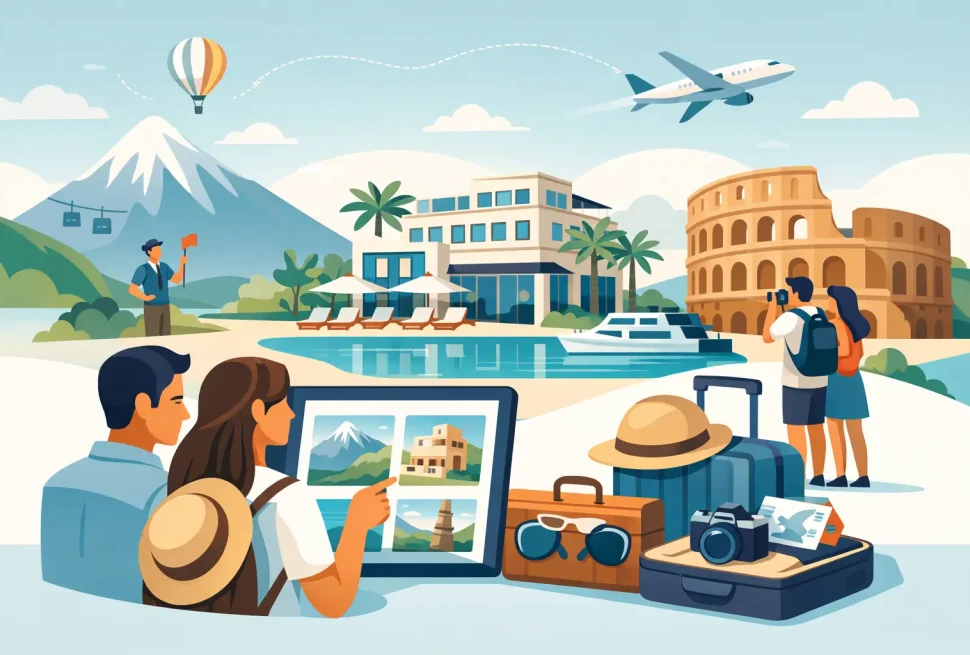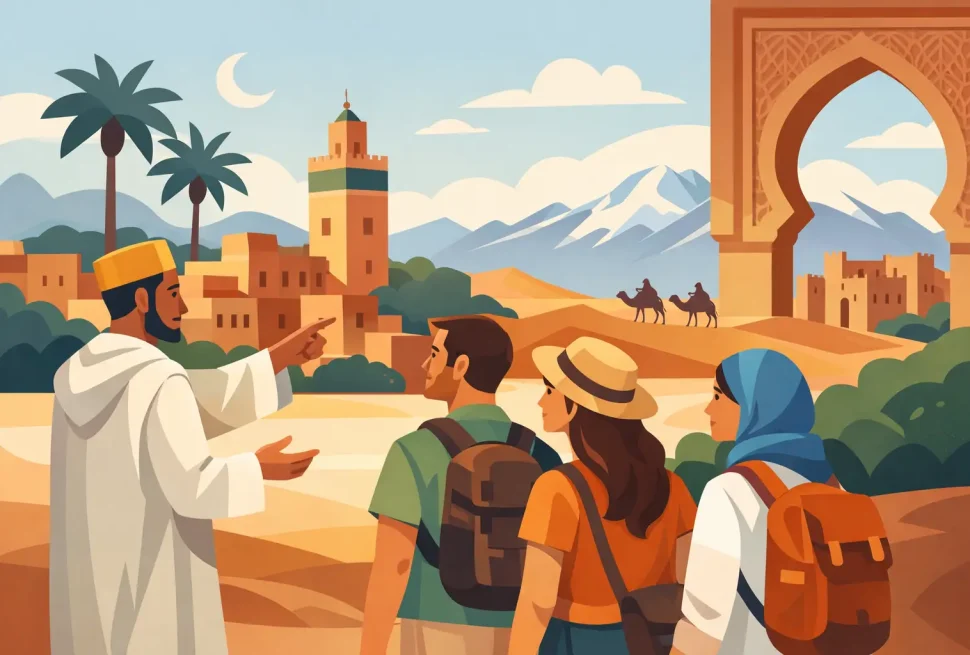

A well-designed guided journey takes care of the complicated logistics, but knowing how to prepare for guided travel helps you arrive ready for the part that matters most: being fully present. The difference between merely seeing a place and truly connecting with it often starts before you leave home – with the right documents, expectations, and a little room in your suitcase for surprise.
For a small-group trip, preparation is not about overplanning every hour. It is about handling the essentials early so you can trust the itinerary, follow the rhythm of your destination, and say yes when a local guide suggests a family-run café, a quiet neighborhood walk, or a viewpoint most visitors miss.
How to Prepare for Guided Travel Before You Book
Start by reading the itinerary as a story, not just a list of landmarks. Consider the pace of the journey: How many hotel changes are included? Are there early starts, long driving days, uneven historic sites, or walks at elevation? A meaningful itinerary may include a sunrise visit to an ancient temple, a lively market, or a winding medina where vehicles cannot go. Those experiences are often memorable precisely because they are not always effortless.
Be honest about your comfort level and mobility needs. Most travelers do not need to be athletes for guided travel, but a reasonable ability to walk, manage stairs, and stay active through full days will make the experience more enjoyable. If you have dietary requirements, medical considerations, or need extra support, share them before booking whenever possible. A thoughtful tour operator can offer clear guidance, but it needs accurate information to plan well.
It also helps to understand what is included and what remains personal. Review the hotel standard, included meals, internal transportation, optional activities, visa expectations, and tipping guidance. This is not about searching for fine print. It is about setting expectations that allow you to relax once the trip begins.
Handle Documents and Logistics Early
Your passport should generally be valid for at least six months after your planned return date, though requirements vary by destination. Check its expiration date as soon as you begin considering a trip, since renewal timelines can be longer than expected during busy periods.
Visa rules can change, and they depend on your nationality, destination, length of stay, and sometimes even your arrival airport. Confirm requirements through official government sources well before departure. If your tour includes more than one country, check every border crossing rather than assuming the rules are the same throughout the region.
Purchase travel insurance that fits the trip you are taking. At minimum, understand your coverage for medical care abroad, emergency evacuation, trip interruption, and lost baggage. Travelers often focus on cancellation protection, but medical and evacuation benefits can be especially valuable in remote areas or destinations where your regular health insurance offers limited coverage.
Keep digital and printed copies of your passport, insurance details, flight itinerary, emergency contacts, and any required visas. Store copies separately from the originals. A secure digital folder is useful, while one paper copy in your luggage provides an extra backup when Wi-Fi is unreliable.
Pack for the Itinerary, Not for Every Possibility
The best packing strategy is versatile, modest, and comfortable. Rather than packing separate outfits for every day, choose clothing that layers easily and can be worn in different settings. Weather can change quickly between a mountain pass, a desert sunset, and an air-conditioned museum.
Cultural awareness belongs in your suitcase, too. In some destinations, clothing that covers shoulders or knees is expected at religious sites. A lightweight scarf or wrap can be useful for warmth, sun protection, and respectful entry into mosques, temples, or churches. Comfortable walking shoes are essential, but they do not need to look overly technical or take up half your bag.
For most guided journeys, these items earn their place:
- Broken-in walking shoes with good grip
- A light rain layer or compact umbrella
- Sun protection, including a hat and sunscreen
- A small day bag that closes securely
- Necessary medications in their original labeled containers
Avoid bringing a full pharmacy unless your doctor recommends it. Bring personal essentials, but remember that many destinations have pharmacies and everyday supplies. If you use prescription medication, carry enough for the entire trip plus a few extra days in your carry-on, along with a copy of the prescription.
Prepare Your Body for the Journey
Jet lag is easier to manage when you plan for it rather than fight it. In the days before departure, prioritize sleep, hydration, and regular meals. On the flight, drink water, limit alcohol, and move around periodically. Once you arrive, spend time outdoors in daylight and try to follow the local schedule, even if your first evening feels early.
If your itinerary includes high altitude, heat, or demanding walking, build up your daily activity before departure. A few weeks of regular walks can make a noticeable difference. There is no need to train intensely, but arriving with a little more stamina means you can focus on the carved details of Petra or the quiet rituals of a Kyoto temple instead of watching the clock.
Speak with a medical professional about recommended vaccinations, destination-specific health considerations, and medications. This is especially relevant for travelers with ongoing conditions. Good preparation provides reassurance without allowing health concerns to become the center of the trip.
Bring Money, but Keep Your Plan Flexible
Carry more than one way to pay. A combination of a credit card, debit card, and a modest amount of local currency is usually practical. Notify your bank of international travel if required, and confirm that your cards will work abroad. A card with no foreign transaction fee can make everyday purchases simpler.
Cash still matters for small purchases, local markets, tips, and places where card machines are unavailable. You do not need to exchange your entire travel budget before departure. In many cases, it is better to arrive with a small amount for immediate needs and access additional currency locally as needed.
Your tour materials should explain the local tipping customs and any suggested amounts. Tipping practices vary widely, and a simple guideline removes guesswork while ensuring drivers, guides, and service staff are acknowledged respectfully. Keep smaller bills organized in a separate wallet or pouch so you are not sorting through everything at once.
Arrive Ready to Travel Well With Others
Small-group travel offers a more personal experience than a large coach tour. You may share meals, long drives, and unforgettable moments with travelers who begin as strangers. The strongest groups are not identical in age or interests. They work because everyone brings curiosity, flexibility, and consideration.
Arrive on time for meeting points, communicate clearly if you need help, and recognize that a group itinerary balances individual preferences with the shared experience. If a visit runs a little longer because a local artisan is explaining a centuries-old craft, that is often part of the value of traveling with cultural ambassadors rather than simply moving from stop to stop.
Leave some open space in your expectations. Not every meal will resemble home, not every hotel will operate by familiar standards, and not every day will unfold exactly as imagined. With a carefully curated small-group journey, those differences are often where the most lasting memories begin. Atlas Global Tours designs its trips to provide structure and support while preserving room for the unplanned moments that make a destination feel real.
Learn Enough to Notice More
You do not need to become an expert in every destination before you go. A little preparation, however, changes what you see. Read about the country’s recent history, major faith traditions, local customs, and a few basic phrases. Knowing how to greet someone, say thank you, or ask permission before taking a photo communicates genuine respect.
Approach cultural differences with observation before judgment. Meal times may be later, bargaining may be part of the market experience, and personal space or communication styles may differ from what you know at home. Your local guide can offer context, but arriving with humility helps you receive that context more fully.
The goal is not to perform expertise. It is to be a considerate guest. Ask thoughtful questions, support local businesses when appropriate, and resist the urge to photograph every moment before experiencing it.
Pack with care, confirm the practical details, and then let the journey have some room to surprise you. The most rewarding guided travel does not ask you to manage every detail. It asks you to arrive curious enough to notice what no checklist could have promised.