
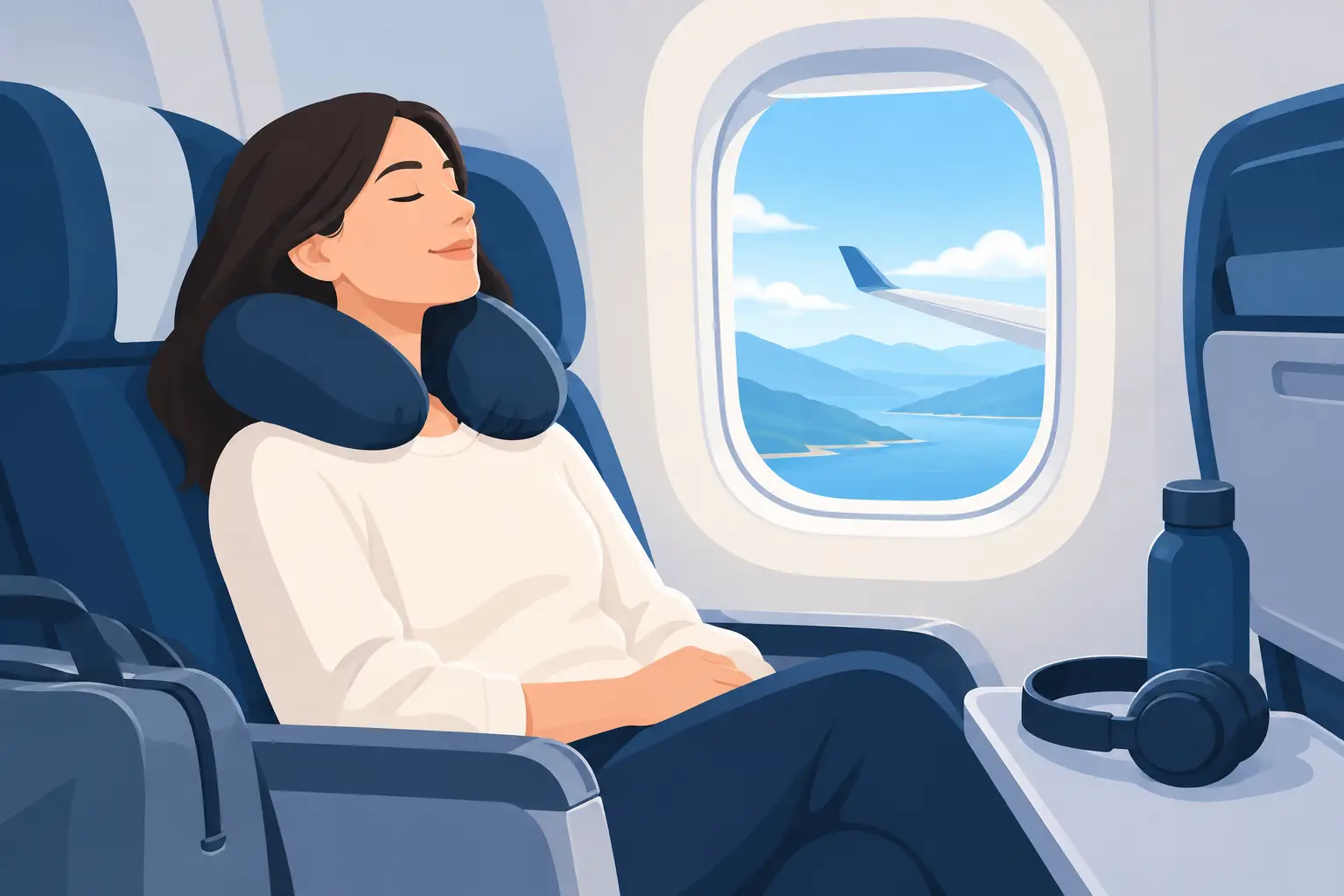
A sunrise over Petra, the call to prayer drifting across a Moroccan medina, a late-night bowl of ramen in Tokyo – these are the moments travelers remember. They are also harder to appreciate when you are running on airport coffee, short sleep, and a schedule that asks too much too soon. To prevent travel fatigue, think beyond your packing list. The most rewarding journeys protect your energy as carefully as they plan your sightseeing.
Travel fatigue is not simply jet lag. It can be the combined effect of time-zone changes, long flights, unfamiliar meals, intense heat or altitude, constant decision-making, and days packed with new information. For culturally curious travelers, there is an added challenge: you want to be fully present for every story, market, meal, and conversation. A thoughtful pace makes that possible.
How to Prevent Travel Fatigue Before You Leave
The best defense begins before departure. If your trip crosses several time zones, start shifting your bedtime and wake-up time by 30 to 60 minutes a few days before you fly. You do not need to overhaul your life, but even a modest adjustment can make the first days abroad easier.
Choose flight times with your arrival in mind. Landing in the morning or early afternoon can help you stay awake until local bedtime, which gives your body a clearer signal to adjust. That said, a convenient nonstop flight may be worth more than an ideal arrival time if it eliminates a stressful overnight connection. The right choice depends on your sleep habits, age, and tolerance for long travel days.
Build a buffer into your plans. Arriving a day early is especially wise before a major tour departure, cruise, wedding, or fixed activity. It creates room for a delayed flight, lost sleep, or simply a quiet evening to settle in. Starting an international journey already rushed rarely leads to the relaxed, open-minded experience you traveled so far to have.
Your carry-on should support recovery, not just survival. Keep medications, a refillable water bottle, basic toiletries, an extra layer, and anything that helps you sleep comfortably within reach. Compression socks may be useful on long-haul flights, particularly if you are prone to swelling, though travelers with medical concerns should ask their clinician what is appropriate for them.
Make the Flight Part of Your Recovery Plan
A long flight can drain energy before the trip truly begins, but small choices onboard matter. Drink water steadily rather than waiting until you feel thirsty. Alcohol can make it easier to fall asleep in the moment, yet it often fragments sleep and adds to dehydration. If you do drink, balance it with water and keep expectations modest.
Move regularly. Every hour or two, stand up if conditions allow, stretch your calves and hips, and walk the aisle briefly. At your seat, ankle circles and shoulder rolls can relieve the stiffness that makes a flight feel longer than it is. Comfortable clothing and shoes that are easy to loosen make a surprising difference.
Try to match your sleep and meals to the destination time as soon as practical. If it is nighttime where you are going, reduce screen brightness, use an eye mask or earplugs, and give sleep a genuine chance. If it is daytime, seek light, stay hydrated, and avoid spending the entire flight in a dark, drowsy state. Perfect airplane sleep is not the goal. Arriving with enough reserve to make wise choices on day one is.
Pace Your First Days With Intention
The urge to maximize every hour is understandable, especially in a destination rich with history and culture. Yet an overfilled arrival day often turns meaningful exploration into a blur. Plan one anchor experience: a neighborhood walk, a relaxed local dinner, a museum visit, or time to take in the view from your hotel. Let everything else be optional.
Natural daylight is one of the strongest signals for resetting your body clock. Spend time outside early in the day after arrival, even if you feel tired. A gentle walk through a historic district or along a waterfront is usually more helpful than retreating to a dark room for hours. If you must nap, keep it short – roughly 20 to 30 minutes – and avoid late-afternoon sleep that can make the first local bedtime much harder.
Heat, elevation, and dry climates demand a slower pace as well. A full day exploring temples in India, walking through the ruins of Ephesus, or wandering the hills of Jerusalem can be physically demanding even for active travelers. Wear breathable layers, use sun protection, carry water, and accept the value of a shaded café break. Pausing is not missing the destination. It is how you stay alert enough to experience it.
Eat and Hydrate for Steady Energy
New food is one of travel’s greatest pleasures, and there is no reason to approach every meal cautiously. The goal is balance. Start each day with protein and complex carbohydrates when possible, whether that means eggs and fruit, yogurt and grains, or a local breakfast that includes beans, vegetables, or flatbread. A sweet pastry alone may satisfy in the moment but can leave you sluggish before midday.
Keep a few familiar, easy snacks in your day bag for long drives, delayed meals, or remote sightseeing days. Nuts, dried fruit, crackers, or a protein bar can prevent the low-energy irritability that makes every decision feel harder. Be mindful of caffeine, too. Morning coffee can help you adjust, while repeated late-day refills may quietly undermine your sleep.
Hydration is especially easy to overlook when you are fascinated by your surroundings. Make water part of your routine: drink after waking, at meals, before getting on a bus, and when returning to your hotel. In destinations where tap water is not advised, follow your guide’s local recommendations and use sealed bottled or properly treated water.
Reduce Decision Fatigue, Not Discovery
Travel fatigue often has a mental component. Independent travel can require hundreds of small decisions: which route is safe, where to eat, how much to pay, whether a site is open, and what local customs to observe. Those choices can be exciting, but they add up quickly when you are tired and far from home.
This is where a well-designed small-group journey offers real relief. You still have room for personal interests and spontaneous moments, but transportation, accommodations, timing, and major logistics are thoughtfully handled. Rather than spending your energy deciphering a train schedule, you can listen as a local guide explains the meaning behind a temple carving or introduces you to a family-run kitchen.
At Atlas Global Tours, small groups are intentionally capped at 10 travelers, allowing for a more responsive pace. If the afternoon heat is intense or a site deserves more unhurried time, a smaller group can adapt more easily than a large coach tour. That flexibility supports the kind of cultural connection travelers come for.
Protect Sleep Throughout the Journey
Do not treat sleep as something to catch up on after you return home. It is part of the trip. Keep your room cool and dark when possible, set out what you need for the next morning before bed, and create a simple wind-down ritual that travels well: a shower, quiet reading, gentle stretches, or calming music.
Late dinners, local celebrations, and memorable evening walks all have their place. The trade-off is that not every night needs to become a late night. Choose the experiences that matter most and give yourself permission to turn in early on other evenings. Travelers often find that one rested evening makes the following day far more enjoyable than pushing through a third consecutive night of too little sleep.
If fatigue feels unusually severe, lasts beyond a few days, or comes with symptoms such as chest pain, shortness of breath, fainting, or confusion, seek medical attention promptly. Travel plans can wait; your well-being cannot.
Leave Space for What You Did Not Plan
The most memorable travel moments are often not the ones squeezed between two timed reservations. They may be a conversation with a craftsperson, an unplanned stop for mint tea, or ten quiet minutes watching a city wake up. Protecting your energy leaves room to notice them.
Set a pace that lets the destination meet you halfway. You will return home with more than photographs and checked boxes – you will carry the details, flavors, and human connections that make a journey stay with you.