A perfect meal in a centuries old city can be memorable on its own. But when you understand why that dish developed there, which trade routes shaped its ingredients, and how local families still prepare it today, the experience lands differently. That is the value of guided food and history tours they turn a destination from something you see into something you begin to understand.
For travelers who want more than a checklist of landmarks, this kind of experience offers a rare balance. You enjoy the pleasures of travel, beautiful streets, remarkable sites, unforgettable flavors while gaining the context that makes those moments stay with you long after you return home. When done well, it feels less like being led around and more like being welcomed in.
What guided food and history tours do better than standard sightseeing
Many tours can show you a famous square, a grand mosque, a historic neighborhood, or a local market. Fewer can explain how those places connect to everyday life, and fewer still can do it in a way that feels personal rather than scripted. Guided food and history tours work because food is never just food. It reflects migration, religion, climate, empire, agriculture, trade, and family tradition.
That matters whether you are walking through the medinas of Morocco, eating your way through istanbul or sitting down for regional dishes after visiting temple complexes in Japan or India. A good guide helps you to read the destination through what is on the table as much as what is in front of your eyes. The result is a richer and more grounded understanding of place.
There is also a practical advantage. History can become abstract when it is delivered as dates and dynasties alone. Food makes it great. A conversation about Ottoman influence, Berber heritage, Silk Road exchange, or colonial trade becomes easier to grasp when you can taste its legacy in bread, spice blends, sweets, tea rituals, or street food traditions.
Guided food and history tours create context, not just access
Independent travelers can find excellent restaurants and impressive historical sites on their own. But it is harder to build without help, especially in destinations where language, logistics, or local customs are unfamiliar. You may be standing in an extraordinary place and still miss what makes it meaningful.
That is where strong guiding makes a real difference. The right guide does more than recite facts. They connect layers of culture in ways that feel natural and memorable. They can explain why one neighborhood developed around a caravan route, why a certain dish is linked to a religious holiday, or why a market changes character at different times of day. Those details shape how you experience the place in real time.
For many travelers, that context also creates confidence. Trying regional specialties is more enjoyable when someone knowledgeable can explain ingredients, etiquette, and what to expect. Visiting historic districts feels easier when you have a guide who can help you move respectfully and comfortably through local spaces. Especially in destinations with deep and complex histories, thoughtful guidance turns uncertainty into ease.
Why this style of travel feels more personal
The best cultural travel rarely feels rushed. It leaves room for conversation, surprise, and the small moments that larger operations often miss. Guided food and history tours are especially effective in smaller group settings because they depend on access, pacing, and dialogue.
In a small group, you are more likely to hear the guide clearly, ask real questions, and interact with local hosts in a meaningful way. You can step into family run Restaurants, neighborhood bakeries, spice markets, or historic quarters without feeling like part of a moving crowd. That intimacy changes the tone of the experience. It becomes less performative and more human.
There is an important trade off here. Larger tours may cost less and cover more ground quickly, but they often flatten the experience. Food stops can become brief tastings with little explanation, and historical sites can feel like pass throughs rather than places to absorb. Travelers who care about depth usually find that smaller, well designed experiences offer much better value, even if they are not the cheapest option on paper.
What to look for in guided food and history tours
Not every tour that uses these words delivers real cultural depth. Some focus heavily on eating but offer limited historical insight. Others treat food as an afterthought after a conventional sightseeing schedule. The strongest tours are intentional about how the two elements work together.
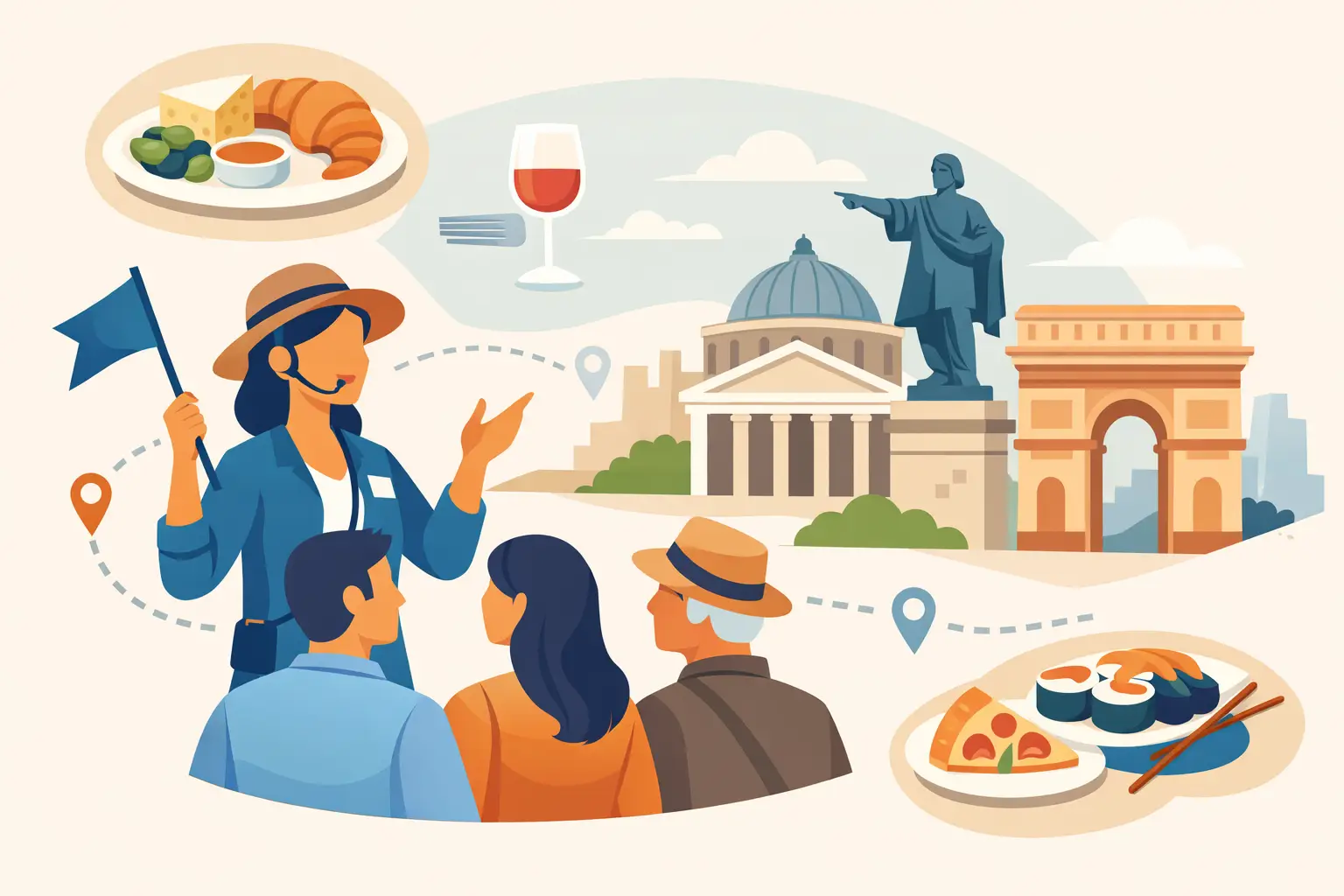
Look for itineraries that connect neighborhoods, heritage sites, and meals in a coherent way. If a tour includes a historic quarter, ask whether the food experience reflects that area’s identity. If it visits monumental sites, consider whether there is room for everyday culture too, not just headline attractions. A well balanced itinerary gives you both the grand narrative and the local texture.
Local Guide’s quality matters just as much as route design. The best local guides act as cultural ambassadors. They know the historical framework, but they also understand living culture how people gather, eat, celebrate, remember, and adapt. That kind of interpretation is what elevates a trip from informative to genuinely immersive.
Operational quality matters too, especially for U.S. travelers investing in an international journey. Clear communication, manageable pacing, thoughtful dietary planning, and well organized logistics all affect how enjoyable these experiences feel on the ground. Cultural depth is most rewarding when it is paired with good planning and peace of mind.
Where guided food and history tours shine most
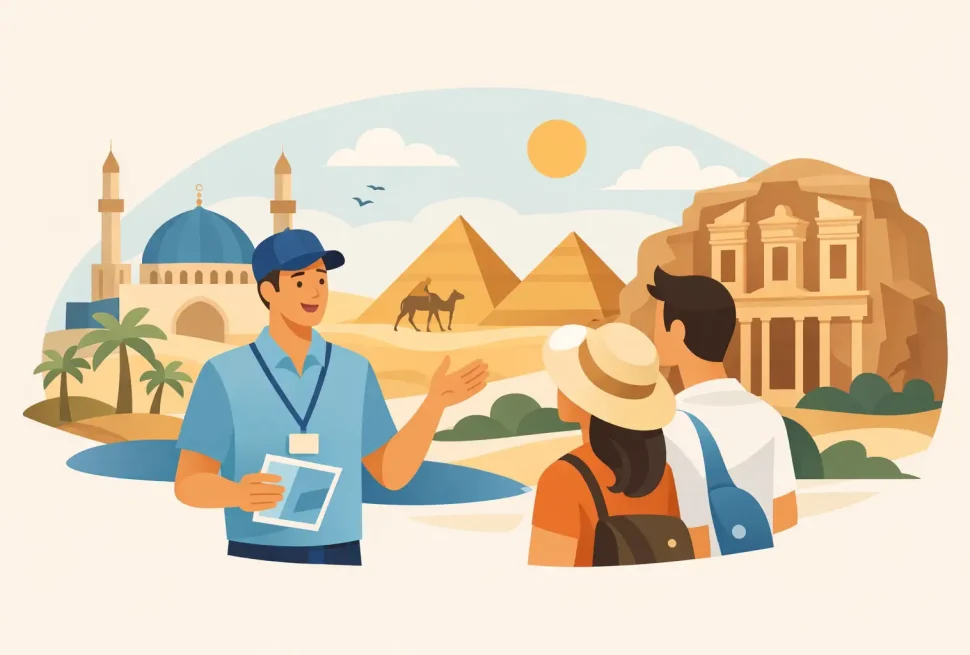
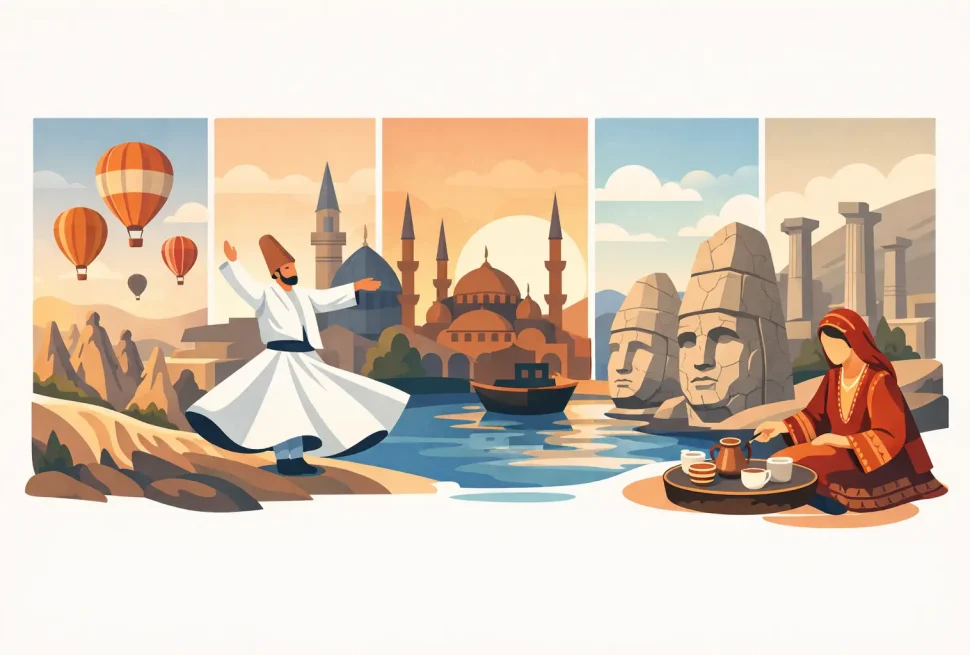
Some destinations are especially well designed to this format because their culinary traditions and historical layers are so closely intertwined. In places like Egypt, Jordan, Turkiye, Morocco, Armenia, and the Balkans, history is visible in architecture, trade patterns, religious life, and urban design – and those same influences show up in the kitchen.
That might mean tasting dishes shaped by empire and regional exchange after walking through ancient streets, or understanding a modern national identity through bread, coffee, sweets, and hospitality rituals. In Japan, subtle regional specialties can deepen your understanding of place just as much as major cultural sites. In India, food can illuminate religion, geography, and local tradition in ways that no museum label ever could.
What changes from destination to destination is the balance. In some places, the historical narrative may be the anchor and food adds warmth and texture. In others, the culinary experience may open the door to broader historical understanding. The best itineraries recognize that difference instead of forcing the same formula everywhere.
Why travelers remember these experiences longer
People often assume the most memorable part of a trip will be the most famous monument. Sometimes it is. But just as often, what stays with you is a table in a courtyard, a conversation in a market, or a guide explaining how one humble dish carries century of history. These are the moments that make travel feel personal rather than generic.
That is one reason guided food and history tours tend to leave such a strong impression. They engage more of your attention. You are not just looking. You are tasting, listening, asking, noticing, and connecting details across the day. Memory works better when experience has texture, and this style of travel naturally provides it.
It also encourages a more respectful kind of tourism. Instead of consuming a destination at speed, you participat in it with more awareness. You understand why customs matter, why neighborhoods deserve care, and why local expertise is worth valuing. That shift may sound subtle, but it changes the whole tone of a journey.
For travelers seeking a meaningful international experience, this is often the sweet spot: enough structure to feel supported, enough expertise to feel informed, and enough authenticity to feel genuinely moved. That is why companies such as Atlas Global Tours place so much emphasis on cultural connection, small-group pacing, and knowledgeable local guidance rather than superficial sightseeing.
The right trip shauld do more than show you where to go. It should help you feel oriented, welcomed, and enriched by what you encounter. When food and history are woven together with care, travel becomes more than a series of stops. It becomes a way of understanding a place from the inside out one story, one street, and one shared meal at a time.