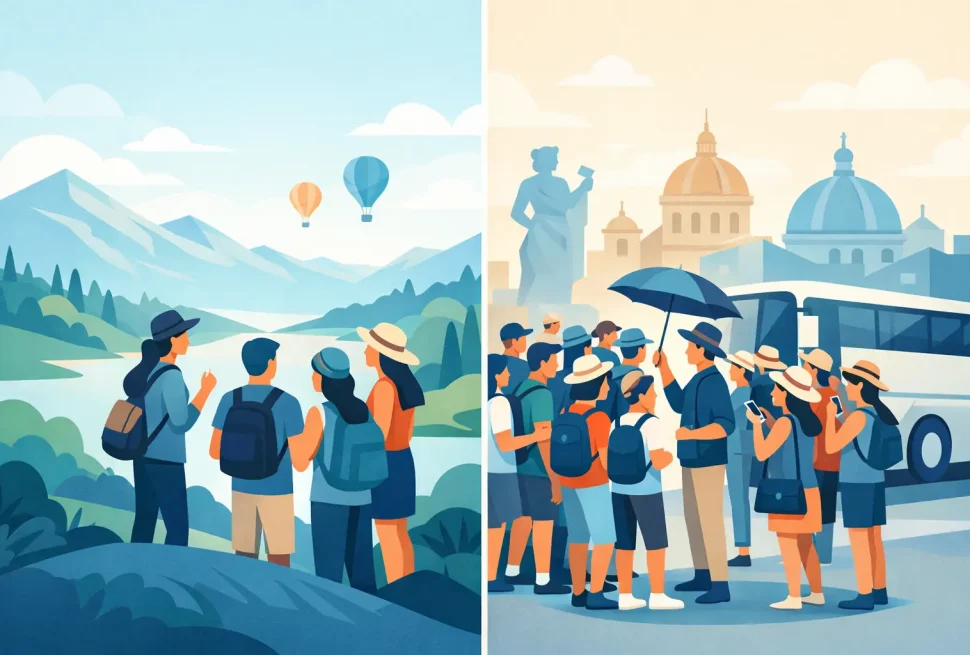

Some trips leave you with photos. Others leave you with a deeper understanding of how people live, celebrate, cook, worship, and remember. If you are wondering how to plan a culturally immersive travel experience, the difference usually comes down to intention. Real cultural travel is not about packing more into a schedule. It is about making better choices before you go.
That starts with a simple shift in mindset. Instead of asking, “How much can I see?” ask, “How can I connect?” The answer may lead you to spend longer in one neighborhood, choose a smaller group, or build your itinerary around local guides and daily rituals rather than only famous landmarks. The most memorable journeys usually include both – the headline sites and the quieter moments that give them meaning.
What culturally immersive travel actually looks like
A culturally rich trip is not measured by how “off the beaten path” it sounds. It is measured by how much context you gain while you are there. Seeing Petra, Kyoto, or Marrakech is valuable. Seeing those places with someone who can explain local customs, historical layers, and present-day life makes the experience far more meaningful.
Immersion also does not require roughing it. Many travelers want authenticity without the stress of managing every moving part on their own, and that is a reasonable expectation. Comfort and cultural depth are not opposites. In fact, when logistics are well organized, you often have more energy and attention for the human side of travel.
How to plan a culturally immersive travel experience with the right destination
The best destination is not always the one with the longest wish list of attractions. It is the one that matches your curiosity. If food is your entry point into culture, places with strong regional traditions and market life may be ideal. If you are drawn to religion, architecture, or layered history, destinations with living heritage sites and active local traditions will likely be more rewarding.
It also helps to be honest about your travel style. Some destinations offer easy cultural access through walkable old cities and established tourism infrastructure. Others require more patience, longer transfer times, or a greater willingness to adapt. Neither is better. It depends on whether you want your challenge level to come from the destination itself or from the depth of experiences within a well-supported framework.
This is where guided small-group travel can make a real difference. In destinations where language, logistics, or cultural etiquette are less familiar, the right structure can open doors rather than limit freedom. A thoughtfully designed itinerary can help you spend less time decoding transportation and more time understanding what you are seeing.
Build around people, not just places
Travel becomes more immersive when your itinerary includes local voices. Museums, monuments, and landscapes matter, but they become more vivid when paired with the perspective of residents, historians, artisans, cooks, or community guides. A palace tells one story. A conversation with a local guide about family traditions, politics, or changing city life tells another.
When planning your trip, look for experiences that create this kind of exchange. That might mean a home-hosted meal, a workshop with an artisan, a guided walk through a residential district, or time in a market with someone who can explain what is seasonal and why it matters. These moments do not need to feel staged to be organized well. The goal is not performance. The goal is context.
One common mistake is overvaluing exclusivity and undervaluing interpretation. A private activity can be enjoyable, but it is not automatically immersive. What matters more is whether the experience helps you understand local life in a real, respectful way.
Slow the pace enough to notice what matters
A packed itinerary can look impressive on paper and feel thin in practice. Cultural immersion needs breathing room. If every day includes multiple transfers, quick photo stops, and late hotel arrivals, there is little space for observation, conversation, or spontaneity.
Try to build your trip around a few meaningful anchors each day rather than a constant rush. Leave room for a tea break in a local square, an unplanned stop at a neighborhood bakery, or time to return to a place that sparked your interest. These unscripted moments are often where travel shifts from sightseeing to connection.
This does not mean doing less for the sake of it. It means choosing with discipline. A shorter list of experiences, handled well, usually creates a richer trip than a crowded checklist.
Do some cultural homework before you go
The best travelers arrive curious, not just excited. A little preparation changes everything. Reading about a country’s history, social customs, religious practices, and regional differences gives you a framework that makes what you see feel more vivid and less abstract.
Even a few hours of research can improve your experience. Learn basic greetings. Understand meal etiquette. Read about current realities, not just ancient history. If you are visiting sacred spaces, know what respectful dress and behavior look like. If bargaining is common, understand the tone and norms behind it.
Preparation also helps avoid a common trap: projecting your own expectations onto another culture. Not everything will be familiar, efficient, or intuitive by American standards. That is often part of the value. Good planning creates room for difference instead of treating it as inconvenience.
Choose accommodations and transportation strategically
Where you stay shapes what you notice. A centrally located property in a historic district may give you easier access to street life, local food, and evening walks than a larger hotel far from the cultural heart of a city. In some destinations, a riad, heritage hotel, or locally styled guest property can add character and context. In others, a well-run modern hotel may be the better choice if it helps you rest well and stay close to the experiences that matter.
The same thinking applies to transportation. Long internal flights and constant hotel changes can cut into the rhythm of a trip. Sometimes they are necessary. Often, though, a smarter route with fewer transitions creates a more grounded experience.
This is one reason curated tours appeal to travelers who want immersion without friction. A company like Atlas Global Tours can combine iconic sites with lesser-known local experiences while keeping the pacing manageable and the logistics dependable. That balance matters, especially in destinations where the planning details are harder to see from the outside.
Respect is part of the experience
Cultural immersion is not about collecting access. It is about participating thoughtfully in a place that is not yours. That means asking before taking photos of people, dressing appropriately where needed, tipping fairly, and listening more than you speak.
It also means resisting the urge to judge every difference in real time. Some customs will make immediate sense to you. Others may not. Curiosity is more useful than quick interpretation. A respectful traveler pays attention to nuance and understands that meaningful encounters are built on mutual dignity.
The most rewarding trips often come with a little discomfort, not because something is wrong, but because you are being stretched beyond habit. That can be a good sign. It means you are not just observing another culture through glass.
Leave room for memory, not just documentation
Many travelers return home with hundreds of photos and only a handful of moments they can truly describe. If you want a trip to stay with you, create space to absorb it while it is happening. Put your phone away during a meal. Write down what surprised you. Ask your guide one extra question. Notice the music in a cafe, the rhythm of a market, the way a local story changes your understanding of a place you thought you knew.
That is usually how culturally immersive travel works. Not through one dramatic revelation, but through a series of well-chosen, well-supported moments that build into something lasting.
Plan for the kind of trip that lets you return home with more than souvenirs. Aim for context, conversation, and enough time to let a place speak for itself.